
Grout Sealing in Deer Park: Your Questions Answered

By Josh Kaplan
Key Takeaways
Unsealed grout absorbs moisture, stains, and mold within weeks of installation — sealing is not optional.
Penetrating sealers last 3–5 years on floor grout; surface sealers need reapplication every 1–2 years.
It's never truly too late to seal grout — clean and restore first, then seal for lasting protection.
Professional grout sealing in the Deer Park, NY area typically runs $1–$3 per square foot, depending on surface size and condition.
Builders skip sealing because it's not their cost — and new homeowners pay the price in stained grout within months.
Grout Sealing in Deer Park, NY: Real Answers for Local Homeowners
Grout sealing is the process of applying a protective barrier to the porous lines between tiles, preventing moisture, stains, mold, and bacteria from penetrating the surface. For homeowners in Deer Park, NY — where humid Long Island summers create ideal conditions for mildew — grout sealing is one of the most cost-effective ways to protect tile investments in kitchens, bathrooms, and entryways. Here's what you actually need to know before booking service or picking up a bottle.
Do I Really Need to Seal My Grout?
Yes — with one exception. Almost all cement-based grout (the most common type installed in homes) is naturally porous and will absorb water, cooking grease, soap residue, and pigment from spills unless a sealer closes those pores. Epoxy grout is the exception: it is non-porous by composition and does not require sealing. If you're unsure which type you have, drip a few drops of water on a grout line. If the water beads, it's either epoxy grout or already sealed. If it darkens and soaks in within 30 seconds, your grout is unprotected and needs sealing now.
High-traffic areas like kitchen floors and shower walls are especially vulnerable. In Suffolk County's climate — warm, humid summers that stretch from June through September — unsealed grout in a shower can develop visible mildew within a few weeks of installation. Floor grout in an entryway, tracked with Long Island's sandy coastal soil, stains permanently if left unprotected.
What Happens If Tile Grout Is Not Sealed?
Unsealed grout becomes a sponge for everything that touches it. Moisture penetrates below the tile surface and can undermine adhesive bonds, leading to loose or hollow-sounding tiles over time. More immediately, unsealed grout in bathrooms absorbs soap scum and body oils that harden into a residue no standard cleaner removes — the grout appears darker and discolored even after scrubbing. In kitchens, cooking grease and food dye (think tomato sauce, coffee, red wine) wick into unprotected lines and set permanently. Mold and mildew colonies establish themselves in the damp, organic-rich environment of unsealed shower grout and can spread beneath the tile surface where surface cleaning cannot reach them.
How Much Does Professional Grout Sealing Cost?
Professional grout sealing in the Deer Park area typically costs between $1 and $3 per square foot, depending on three primary factors: the size of the area, the current condition of the grout, and whether cleaning or restoration is needed before sealing can begin. Here's how local quotes are generally structured:
Job Factor | Effect on Price | Typical Add-On |
Minimum service / trip charge | Most Suffolk County contractors set a floor | $75–$150 minimum |
Cleaning before sealing | Required if grout is stained or moldy | $0.50–$1.50/sq ft added |
Grout repair / recoloring | Cracked or discolored lines need prep first | Quoted separately |
Sealer type (penetrating vs. surface) | Penetrating sealers cost slightly more but last longer | Typically included in quote |
Surface type (floor vs. wall, natural stone) | Natural stone needs a different sealer formula | May add $0.25–$0.50/sq ft |
When comparing local estimates, ask each contractor whether their quote includes the sealer product itself, how many coats are applied, and what the curing or dry time is before you can use the space. A quote that looks lower may omit cleaning prep — which is the step that determines whether sealing actually works long-term.
Why Do Builders Not Seal Grout?
Builders skip grout sealing almost universally because it is not included in standard construction specifications — and the cost comes out of their margin, not yours. New grout also needs to cure fully (typically 48–72 hours for standard Portland cement grout) before sealing, which can delay move-in timelines builders want to avoid. The result: most newly tiled homes in Deer Park and across Long Island are handed over with completely unprotected grout. Homeowners often don't notice until the grout in the master bath looks gray after six months of normal use.
This is also why grout recoloring services exist: by the time many homeowners think about sealing, the grout is already stained and discolored, and sealing over existing stains locks them in permanently rather than protecting against new ones. If you're weighing your options, understanding whether grout recoloring or full replacement is right for your situation can help you decide the most cost-effective path forward.
Is It Ever Too Late to Seal Grout?
It is never too late to seal grout — but you cannot seal stained or dirty grout and expect a good result. The correct sequence is: deep clean first (professional steam cleaning or chemical cleaning), repair any cracked or crumbling grout lines, recolor if the existing color is uneven or permanently stained, and then seal the restored surface. Sealing without cleaning first traps soil, mold spores, and stains underneath the sealer where they continue to grow. Done in the right order, even grout that has been neglected for years can be restored and protected effectively.
How Long Does Grout Sealer Last?
Grout sealer longevity depends on the sealer type and where it's applied:
Penetrating (impregnating) sealers — such as those using silane or siloxane chemistry — soak into the grout's pore structure and are not worn away by foot traffic. On floor grout with normal residential use, they typically last 3–5 years before reapplication is needed.
Topical (surface) sealers — which sit on top of the grout rather than inside it — wear down with foot traffic, cleaning, and abrasion. Expect to reapply every 1–2 years, and more frequently in high-traffic kitchens or commercial spaces.
Shower grout — regardless of sealer type — should be checked annually because daily water exposure degrades protection faster than dry areas.
The water drop test described above is the simplest way to check whether your sealer is still working: if water no longer beads, it's time to reseal. For a deeper look at how these two options compare, see this guide on penetrating vs. topical grout sealers and which is right for your tile.
What Are the Disadvantages of Sealing Grout on Tile?
Grout sealing has real drawbacks worth knowing before you commit — especially for DIY application:
Topical sealers can cloud tile surfaces if they're applied carelessly and allowed to dry on glazed ceramic or polished porcelain. Removing dried topical sealer from tile faces is difficult and can require professional intervention.
Sealing locks in whatever is already there. If grout is stained, moldy, or discolored and is sealed without prior cleaning, those conditions are preserved — not protected against.
Not all surfaces should be sealed the same way. Natural stone tiles (marble, travertine, limestone) require a pH-neutral, stone-safe penetrating sealer. Using a grout sealer formulated for cement-based grout on natural stone can discolor or etch the tile surface itself.
DIY application is easy to get wrong. Applying too much sealer, sealing too soon after installation (before grout has cured), or missing sections all result in uneven protection. Homeowners who want to avoid wasted time and money should review the most common DIY grout sealing mistakes before starting a project.
What Is the Best Way to Seal Grout?
The most reliable method for sealing grout — especially in kitchens and bathrooms — follows this sequence:
Deep clean the grout. Remove all surface soil, soap scum, mold, and residue. Allow to dry completely — at least 24 hours in a well-ventilated space.
Repair damaged lines. Fill cracks or crumbling sections with matching grout before sealing. Sealer over damaged grout does not bond correctly.
Choose the right sealer for your surface. Penetrating silane/siloxane sealers for floor tile and cement-based grout; stone-safe sealers for natural stone; no sealer needed for epoxy grout.
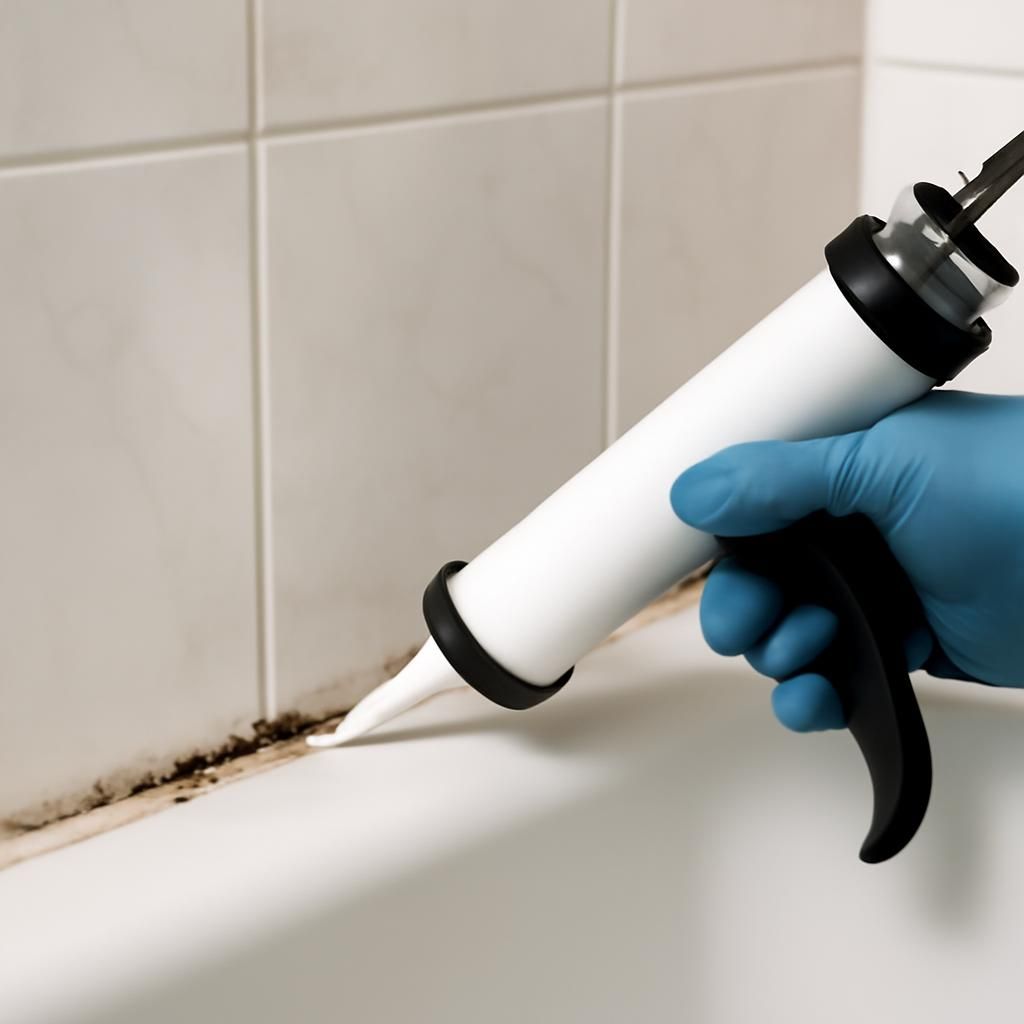
Apply in thin, even coats. Use a small foam brush or squeeze applicator directly on grout lines — avoid flooding the tile face. Wipe excess immediately with a clean cloth.
Apply a second coat. Most penetrating sealers perform best with two thin coats applied 10–15 minutes apart.
Allow full cure time. Keep the area dry for at least 24–48 hours before water exposure.
Test with water drops. Confirm the sealer is working before declaring the job complete.
Grout Cleaning on Long Island: When to Call a Professional
DIY sealing makes sense on small, newly installed, already-clean tile areas where the grout is in good condition. It does not make sense — and often makes things worse — when:
Grout is visibly stained, discolored, or moldy (cleaning must come first)
Grout lines are cracked, crumbling, or missing in sections
The tile surface is natural stone, which requires specific sealer chemistry
The area is large (kitchens, full bathrooms, commercial spaces) where even application matters
Previous DIY sealing has left a hazy residue or uneven sheen on tile faces
Groutastic serves Deer Park and surrounding Suffolk County communities — including Oakdale, Oak Beach, and Noyack — with professional grout cleaning, restoration, and sealing that prepares surfaces correctly before any sealer goes down. For grout cleaning on Long Island's varied tile types, surface-specific prep is what separates a sealing job that lasts five years from one that peels in five months. If you're unsure what a professional service visit involves, this overview of what to expect from a grout cleaning service on Long Island walks through the process step by step.
Frequently Asked Questions: Grout Sealing in Deer Park
Can I seal grout myself, or do I need a professional?
You can seal grout yourself if the grout is clean, undamaged, and newly installed. For stained, moldy, or cracked grout — or for natural stone tile — professional cleaning and restoration should precede sealing, or the results will disappoint.
How do I know if my grout needs to be resealed?
Run the water drop test: place a few drops of water on a grout line. If it soaks in and darkens within 30 seconds, the existing sealer has failed and resealing is needed. If it beads, you're still protected.
Does grout sealing work in showers?
Yes — and showers are where sealing matters most. Daily water exposure makes unsealed shower grout a mold and mildew magnet. Use a penetrating sealer rated for wet areas, and plan to test and potentially reseal annually given the constant moisture exposure.
Is grout sealing worth it for a rental or investment property?
Absolutely. Sealed grout reduces tenant damage, is easier to clean between tenants, and extends the life of tile surfaces — deferring expensive re-tiling costs. It's a low-cost maintenance step with a high return on investment in rental properties across Suffolk County.
The Bottom Line on Grout Sealing in Deer Park
Grout sealing in Deer Park isn't complicated — but it is easy to do in the wrong order or with the wrong product. The correct sequence is always: clean thoroughly, repair what's damaged, choose the right sealer for your surface, and apply correctly. Skipping any of those steps produces results that look fine today and fail within months. If your grout is already stained or your tile is natural stone, professional restoration b
This article is based on real published content from Groutastic, cites authoritative sources, and is reviewed before publication.
Comments