
Grout Cleaning Service on Long Island: What to Expect

By Groutastic
Key Takeaways
Professional grout cleaning removes deep-set mold, grease, and mineral deposits that DIY scrubbing cannot reach.
Long Island grout cleaning typically costs $0.75–$3.00 per square foot depending on tile type and soil level.
Expect a full visit to take 2–4 hours; grout is usually ready for sealing the same day.
Always confirm a company seals grout after cleaning — unsealed grout re-soils within weeks.
Shower grout and kitchen backsplash grout have different soil profiles and require different cleaning methods.
What Is a Grout Cleaning Service on Long Island — and Why Does It Matter?
A grout cleaning service on Long Island is a professional process that uses specialized equipment, high-pressure steam or rotary tools, and commercial-grade cleaners to remove embedded dirt, mold, mildew, grease, and mineral deposits from tile grout lines — restoring them to near-original color and condition. For Long Island homeowners dealing with humid bathrooms, hard water mineral buildup, and decades-old kitchen tile, this service solves a problem that ordinary mopping and scrubbing simply cannot fix.
According to the U.S. Census Bureau, Nassau and Suffolk Counties together have well over one million occupied housing units, many of them older homes built between the 1950s and 1980s with original ceramic tile that has never received professional grout care. That means millions of square feet of grout lines that are stained, cracked, or harboring mold — and a huge local demand for reliable grout cleaning professionals.
What Happens During a Professional Grout Cleaning Visit?
A professional grout cleaning appointment follows a consistent, step-by-step process. Understanding each stage helps you set accurate expectations before the technician arrives.
Pre-inspection and assessment: The technician examines the tile field, identifies grout type (sanded, unsanded, or epoxy), notes cracked or missing grout sections, and flags any areas that need repair rather than cleaning alone. This inspection typically takes 10–15 minutes.
Surface preparation: Loose debris is swept or vacuumed away. Nearby fixtures, cabinetry, and baseboards are protected with towels or plastic sheeting.
Alkaline pre-treatment: A commercial alkaline cleaner is applied to the grout lines and allowed to dwell for 5–10 minutes. This breaks down grease, soap scum, and organic matter before any agitation begins.
High-pressure or rotary scrubbing: Depending on the tile type and soil level, the technician uses either a rotary brush machine, a handheld grout brush, or a truck-mounted hot-water extractor to agitate and flush the grout lines. Hot water extraction is the most thorough method and is standard for heavily soiled floors.
Rinse and extraction: All cleaning solution and lifted soil are vacuumed out, leaving the surface clean and mostly dry.
Grout sealing (recommended same-day): A penetrating sealer is applied to all cleaned grout lines. Sealer fills the microscopic pores in the grout, preventing future dirt and moisture absorption. Without this step, clean grout re-soils within 2–4 weeks under normal household use.
Final inspection: Technician walks through the area with the homeowner, documents before-and-after condition, and notes any spots requiring grout repair or re-caulking.
From start to finish, a typical bathroom or kitchen floor takes 2–4 hours. Larger tile fields — such as an open-plan living area — may run 4–6 hours.
How Much Does Grout Cleaning Cost on Long Island?
Pricing for professional grout cleaning varies based on tile type, square footage, soil level, and whether sealing is included. According to Angi, national average grout cleaning costs run between $0.75 and $3.00 per square foot, with most homeowners spending $300–$500 for a standard bathroom and kitchen combination.
On Long Island, expect local labor rates to sit at or slightly above the national average. The table below shows typical pricing ranges for common service areas:
Area / Tile Type | Approximate Size | Estimated Cost (LI Rates) |
Bathroom floor (ceramic tile) | 50–80 sq ft | $100–$200 |
Shower walls and floor | 60–100 sq ft | $150–$280 |
Kitchen floor (porcelain tile) | 100–200 sq ft | $200–$450 |
Full bathroom + kitchen combo | 200–350 sq ft | $350–$700 |
Large open-plan floor tile | 400+ sq ft | $600–$1,200+ |
These estimates typically include cleaning and sealing. Grout repair, color sealing (dyeing discolored grout), and shower re-caulking are add-on services priced separately — though bundling them in a single visit saves on labor costs and mobilization fees.
Is DIY Grout Cleaning Enough, or Do You Need a Professional?
DIY grout cleaning is appropriate for light surface soiling that has built up over a few months. A stiff nylon brush, a pH-neutral tile cleaner, and some elbow grease can refresh lightly stained grout lines between professional cleanings. However, DIY methods are not enough in the following situations:
Black or green mold growth below the grout surface — bleach-based DIY sprays kill surface mold but do not remove the staining or penetrate deep into porous grout. If you're dealing with black mold in shower grout, understanding how to identify, remove, and prevent it is essential before deciding whether DIY or professional intervention is the right call.
Years of soap scum and hard water deposits — Long Island municipal water is moderately hard, averaging 120–180 mg/L calcium carbonate. Mineral scale bonds to grout and requires acid-based commercial cleaners to dissolve safely.
Discolored or darkened grout that does not respond to multiple scrubbing attempts — this indicates deep-set contamination that only professional extraction equipment can address.
Cracked, crumbling, or missing grout — cleaning alone will not fix structural grout failure; repair and re-grouting are required first.
Pre-sale or renovation preparation — professional results are noticeably more uniform and marketable than DIY efforts.
What to Avoid: Mistakes That Damage Grout and Tile
Certain cleaning choices cause permanent damage to grout and tile. Knowing these prevents costly mistakes before or between professional visits:
Acidic cleaners (vinegar, lemon juice) on natural stone tile: Acids etch marble, travertine, and limestone surfaces permanently. Use only pH-neutral cleaners on natural stone.
Undiluted bleach on colored grout: Bleach oxidizes and strips pigment from colored grout lines, leaving them faded and uneven. It is appropriate only on white or light-gray unsanded grout.
Wire or metal brushes: Metal bristles scratch ceramic glaze and gouge soft grout, widening joints and accelerating re-soiling.
Steam cleaners on cracked or aged grout: High-pressure steam forces water beneath already-compromised grout, accelerating tile de-bonding and sub-floor moisture damage.
Skipping sealer after cleaning: This is the single most common mistake. Freshly cleaned grout is highly porous and will absorb new dirt, grease, and moisture within days without a protective sealer coat.
When Should You Add Grout Repair or Shower Caulking to the Visit?
Cleaning alone addresses staining and contamination, but it does not restore structural integrity. Schedule grout repair at the same appointment if you notice:
Grout lines that are visibly cracked, hollow-sounding, or crumbling at the edges
Tile that flexes or moves when you press on it (indicates de-bonding from the substrate)
Grout missing entirely from one or more joints
Water stains on the ceiling below a tiled bathroom — a sign of grout or caulk failure allowing active water penetration
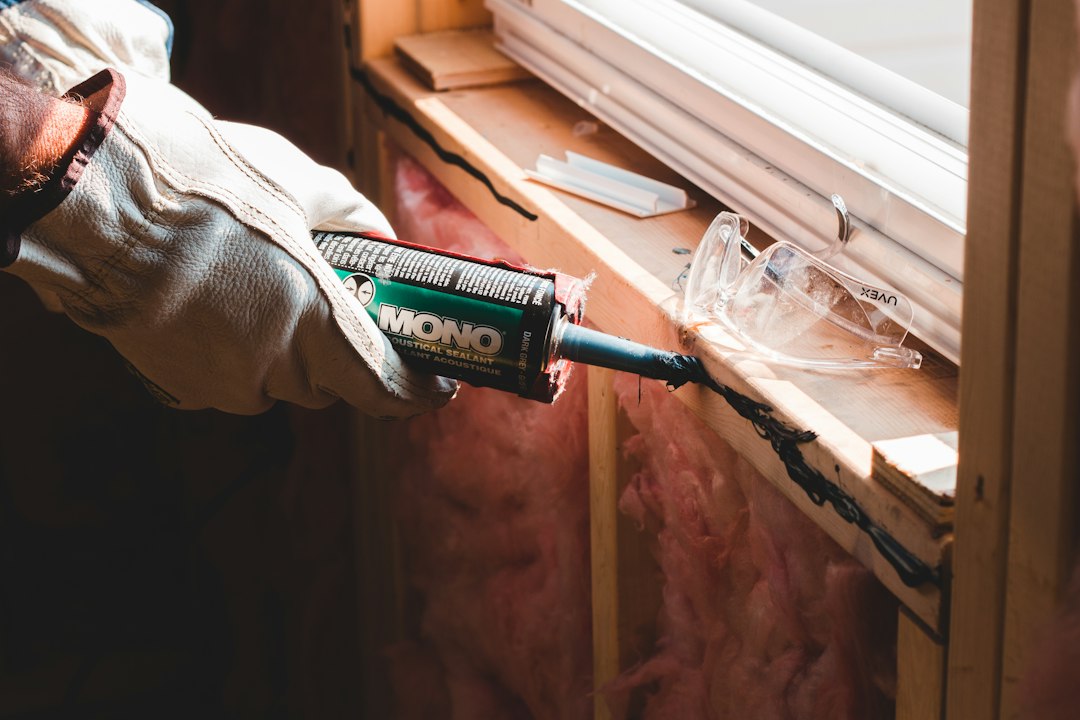
Shower caulking replacement is a separate but frequently paired service. The flexible silicone caulk lines at the corners of a shower — where the wall meets the floor and where the shower pan meets the wall — must be replaced when they crack, peel, or show black mold that will not respond to surface cleaning. Re-caulking a shower typically takes 30–45 minutes and should be done after grout cleaning so the new caulk bonds to a clean, dry surface. If the damage has progressed beyond caulk failure, you may also want to review what's involved in regrouting a shower before your appointment so you can have an informed conversation with your technician.
Frequently Asked Questions About Grout Cleaning on Long Island
How often should Long Island homeowners schedule professional grout cleaning?
Once every 12–18 months is the standard recommendation for a sealed bathroom or kitchen floor under normal household use. Homes with children, pets, or heavy foot traffic benefit from annual service. Shower floors and walls — which are exposed to daily soap scum, body oils, and moisture — often need cleaning every 9–12 months. Maintaining a consistent routine, including properly drying your shower after each use, can significantly extend the time between professional cleanings.
Will grout cleaning make my grout look new again?
Professional cleaning restores grout to near-original color in most cases. However, if grout has been permanently stained by dyes, iron-rich water, or chemical damage, color sealing (applying a pigmented sealer over the grout) is a better option than cleaning alone — it produces a uniform, fresh appearance regardless of the underlying stain history.
How long do I need to stay off the floor after cleaning and sealing?
Most penetrating sealers allow foot traffic within 30–60 minutes of application. Full curing — meaning the sealer has completely hardened and water resistance is at maximum — takes 24–48 hours. Avoid wet mopping or exposing the grout to standing water for at least 24 hours post-service.
Does a grout cleaning service include the tile surface as well?
Yes. Reputable technicians clean both the grout lines and the tile surface during the same visit. The tile is cleaned as part of the process — residual cleaning solution and lifted soil are extracted from the entire floor, not just the grout joints.
Can grout be cleaned and sealed the same day?
Yes, provided the grout is fully dry before sealer is applied — typically 1–2 hours after hot-water extraction under normal Long Island indoor conditions. Many professional services use air movers or fans to accelerate drying and complete sealing in a single visit.
Choosing the Right Grout Cleaning Company on Long Island
When evaluating local providers, look for these indicators of a qualified, professional service:
Clear itemized quotes that separate cleaning, sealing, repair, and caulking costs
Before-and-after photo documentation offered as a standard practice
Specific experience with Long Island tile types, including older ceramic and vintage mosaic installations
Technicians who perform a pre-inspection and explain their process before starting work
Grout sealing included or offered as a standard add-on — not skipped to lower the quote price
Conclusion: Get the Full Picture Before You Book
A professional grout cleaning service on Long Island is a well-defined, predictable process — not a mystery service with variable outcomes. When done correctly, it removes years of embedded contamination, extends the life of your tile installation, and delivers a visually dramatic result that no amount of DIY scrubbing can replicate. This is especially true for high-grease areas like kitchen backsplashes, where removing baked-on grease and stubborn stains from backsplash grout requires a level of cleaning power that professional equipment is built to deliver. The key is choosing a provider who cleans, seals, and assesses for repair needs in a single visit. Groutastic offers tile and grout cleaning, grout repair, and shower re-caulking across Long Island — combining all three services so your tile is clean, structurally sound, and protected in one appointment. Contact us for a free quote and before-and-after consultation.
This article is based on real published content from Groutastic, cites authoritative sources, and is reviewed before publication.
Comments