
Is Bathroom Mold a Health Risk? What to Know

By Groutastic
Key Takeaways
Bathroom mold on tile and grout is a genuine health risk, especially for people with asthma or allergies.
Black mold (Stachybotrys) is the most dangerous species; it thrives in wet grout lines and caulk seams.
Symptoms like sneezing, coughing, and eye irritation often trace back to mold hiding in grout.
Cleaning visible mold is not enough — damaged grout and caulk must be repaired to stop regrowth.
Professional tile and grout cleaning removes deep mold that DIY scrubbing cannot reach.
Is Bathroom Mold a Health Risk? The Short Answer Is Yes
Bathroom mold is a confirmed health risk, not just an aesthetic problem. When mold colonizes tile and grout — the porous surfaces most commonly affected in a bathroom — it releases airborne spores that can trigger respiratory illness, allergic reactions, and chronic symptoms in vulnerable individuals. Understanding exactly what bathroom mold does to your health is the first step toward protecting your household.
Why Tile and Grout Are Prime Targets for Mold Growth
Grout is cement-based, porous, and sits in the wettest room of your home. That combination makes it the single most mold-prone surface in any bathroom. Unlike a glazed tile face, grout absorbs moisture, soap scum, and body oils — all of which feed mold colonies. Silicone caulk seams around showers and tubs develop similar problems when the caulk ages, cracks, or lifts away from the wall.
Common locations where mold takes hold include:
Grout lines in the shower and tub surround — constantly wet, rarely fully dry
Shower floor grout — standing water and foot traffic erode sealant quickly
Caulk seams at the tub-wall junction — the gap behind failing caulk is dark and perpetually damp
Floor grout near the toilet base — humidity and occasional splash keep this area moist
Behind wall tiles with cracked or missing grout — water infiltrates the substrate and mold grows unseen
Once mold penetrates the grout body, surface scrubbing cannot remove it. The colony lives beneath the surface and continues releasing spores even when the visible staining appears minimal.
What Are the Health Effects of Bathroom Mold Exposure?
The health effects depend on the mold species present, the duration of exposure, and the individual's sensitivity. According to the Centers for Disease Control and Prevention, mold exposure can cause nasal and sinus congestion, coughing, wheezing, throat irritation, skin rashes, and eye irritation in otherwise healthy adults. For people with pre-existing respiratory conditions or suppressed immune systems, the effects are significantly more severe.
Populations at Highest Risk
Children under 12 — developing respiratory systems are more susceptible to airborne irritants
Adults over 65 — immune response is reduced, increasing risk of fungal infection
People with asthma — mold spores are a well-documented asthma trigger; exposure can precipitate attacks
Allergy sufferers — mold is one of the most common indoor allergens
Immunocompromised individuals — chemotherapy patients, organ transplant recipients, and those with HIV face risk of serious fungal infections
Research published by the National Institutes of Health links residential mold exposure to increased rates of upper and lower respiratory tract symptoms, with bathroom mold cited as a primary indoor source due to the consistently high humidity levels in that environment.
Black Mold: The Most Dangerous Species in Your Bathroom
Stachybotrys chartarum — commonly called black mold — is the species most associated with serious health outcomes. It produces mycotoxins (toxic chemical compounds) that can cause persistent headaches, fatigue, difficulty concentrating, and in high-exposure scenarios, neurological symptoms. Black mold in shower grout appears as a dark greenish-black stain and prefers surfaces that stay wet for extended periods, making grout lines and deteriorating caulk ideal habitats. It is NOT the same as the more common gray or white mold species, and it requires professional assessment and remediation when found in quantity.
How Do You Know If Mold Is Making You Sick?
The clearest signal is symptom pattern: if your respiratory or allergy symptoms improve when you leave home and worsen when you return — particularly after showering — bathroom mold is a likely contributor. Other indicators include:
Persistent cough or congestion with no seasonal allergy explanation
Eye or skin irritation that worsens after bathing
A musty odor in the bathroom even after cleaning
Visible dark staining in grout lines or behind caulk seams
Grout that has turned black, green, or brown and does not respond to standard cleaning products
A musty smell without visible mold usually means active mold growth is occurring behind tiles or inside wall cavities — a situation that requires professional inspection rather than surface cleaning.
What to Avoid When Dealing With Bathroom Mold
Handling mold incorrectly can spread spores, worsen health symptoms, and damage your tile surfaces. Avoid the following mistakes:
Dry brushing mold — this releases spores directly into the air you breathe. Always dampen the area first.
Bleach on colored or natural stone grout — bleach degrades grout binder over time and can permanently discolor natural stone tile such as marble, travertine, or limestone.
Sealing over mold — applying grout sealer on top of active mold traps moisture underneath and accelerates structural damage.
Ignoring cracked or missing caulk — a failed caulk seam allows water behind the wall, where mold growth is invisible and can go undetected for months.
Using a high-pressure washer indoors — excessive pressure drives water into grout and tile joints, promoting exactly the conditions mold requires.
Mixing cleaning chemicals — bleach and ammonia-based cleaners produce toxic chloramine gas; never combine them in an enclosed bathroom.
Can Cleaning Tile and Grout Actually Eliminate the Health Risk?
Professional tile and grout cleaning removes mold at a depth that consumer products and manual scrubbing cannot reach. Truck-mounted hot water extraction systems and rotary cleaning tools penetrate the grout body, extract the mold colony, and restore surface integrity. The U.S. Environmental Protection Agency recommends that visible mold on hard, non-porous surfaces should be cleaned with appropriate cleaning solutions, but emphasizes that the underlying moisture problem must be corrected simultaneously — cleaning without addressing the cause is only a temporary fix.
For Groutastic customers, the full solution typically involves three stages:
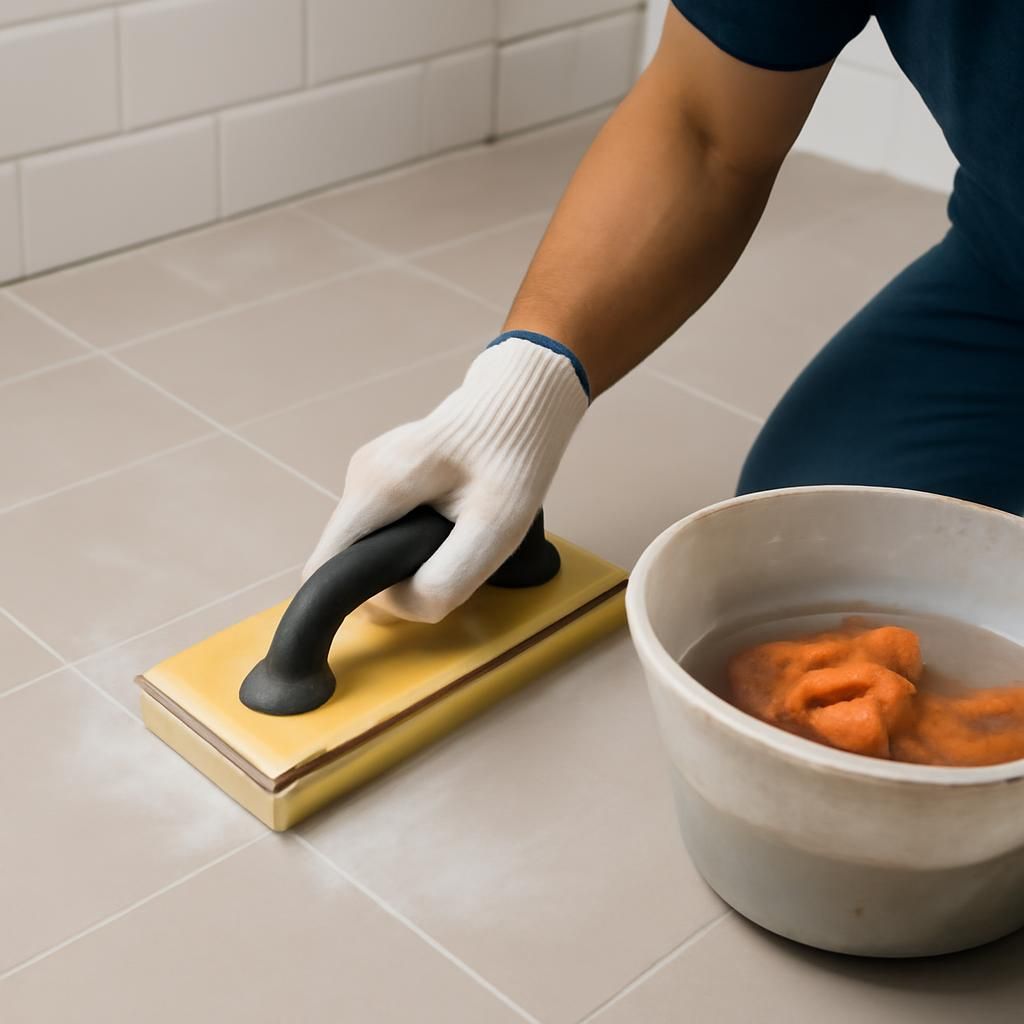
Deep tile and grout cleaning — removes embedded mold, soap scum, and biological growth from grout lines and tile faces
Grout repair or regrouting — replaces cracked, crumbling, or deeply stained grout where mold has compromised the material's structural integrity
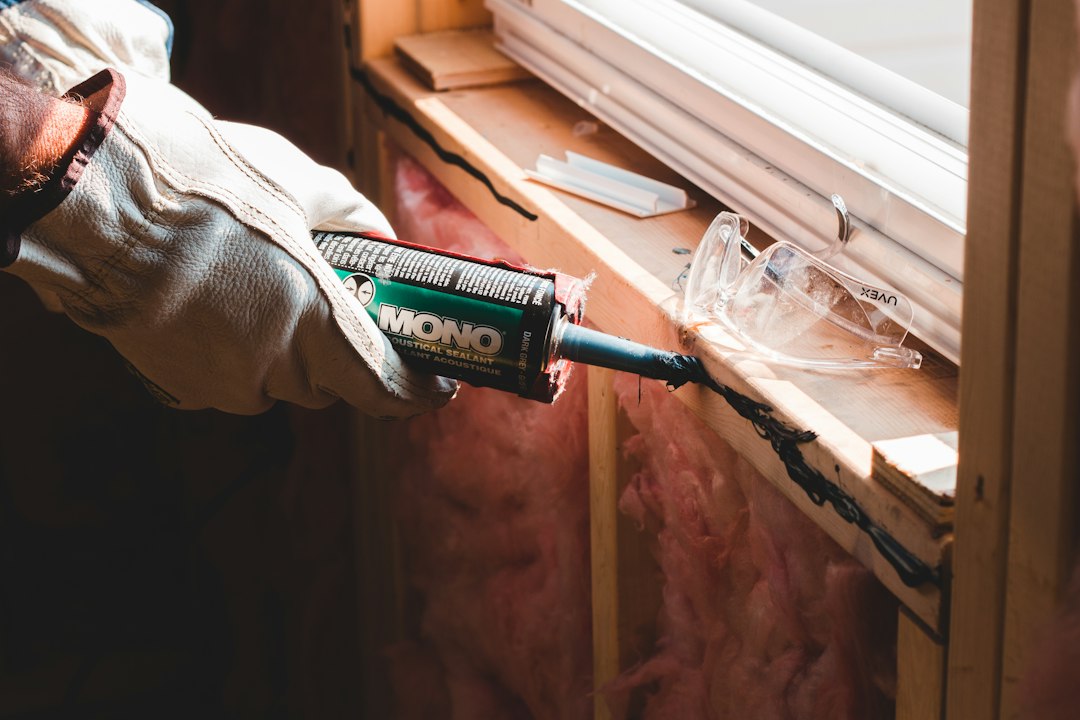
Shower caulking replacement — removes old, mold-contaminated caulk at tub and shower seams and applies fresh antimicrobial caulk to seal the system
Skipping step two or three means mold will return within weeks, regardless of how thoroughly the initial cleaning was performed.
When Should You Call a Professional Instead of DIYing It?
DIY cleaning with a grout brush and store-bought mold cleaner is appropriate for light surface staining on sealed grout — small spots that appeared recently and have not spread. You should call a professional when:
Mold covers more than 10 square feet of tile or grout (the EPA's general threshold for professional remediation)
Mold keeps returning within days or weeks of cleaning
You can smell mold but cannot locate the source visually
Grout is cracked, crumbling, or missing in sections
Caulk seams are lifting, splitting, or heavily discolored
Anyone in the household is experiencing unexplained respiratory symptoms
Groutastic provides professional tile and grout cleaning, grout repair, and shower caulking services designed to resolve mold problems at the source — not just mask them. Professional service is also the correct choice when mold has reached natural stone tile, where chemical treatments appropriate for ceramic tile would cause irreversible surface damage.
Frequently Asked Questions About Bathroom Mold and Health
Is all bathroom mold dangerous?
Not equally. Common pink mold (Serratia marcescens) and green mold (Cladosporium) cause mild irritation in most healthy adults but can be serious for immunocompromised people. Black mold (Stachybotrys) is the most hazardous species and warrants professional remediation whenever it is identified.
Can I paint or seal over black mold on grout?
No. Sealing or painting over mold does not kill it. The colony continues to grow beneath the surface, the moisture problem persists, and the covering material will eventually fail, exposing the problem again — often in a worse state.
How often should grout be cleaned to prevent mold?
Professional deep cleaning every 12 to 18 months is the standard recommendation for an actively used shower. Grout sealing after each professional cleaning extends the protection window significantly by closing off the porous surface mold needs to colonize.
Does bathroom ventilation actually matter for mold prevention?
Yes, dramatically. Running a bathroom exhaust fan during and for 20 minutes after every shower reduces relative humidity from the 90–100% range (ideal for mold) to below 60% (where mold growth slows substantially). Inadequate ventilation is the root cause behind most chronic bathroom mold problems. Combining good ventilation habits with proper techniques to dry your shower after each use can dramatically reduce the conditions that allow mold to take hold.
Will replacing caulk stop mold from coming back?
Shower caulking replacement is a critical step, but only if done after cleaning and repairing the underlying grout. Fresh caulk applied over damaged grout will fail prematurely, and the cycle repeats. If the grout itself is beyond saving, following a step-by-step shower regrouting process before recaulking creates a sealed, moisture-resistant system that gives mold far fewer places to return.
Conclusion: Mold on Your Tile and Grout Is a Health Issue That Needs a Real Fix
Bathroom mold on tile and grout is not a cosmetic nuisance — it is a verifiable health risk with documented effects on respiratory function, allergy response, and long-term wellbeing. The porous nature of grout and the age of caulk seams make bathrooms the highest-risk room in any home for mold colonization. Surface cleaning alone does not resolve the problem. The correct response combines professional deep cleaning, grout repair where needed, and fresh shower caulking to eliminate both the existing mold colony and the conditions that allowed it to grow. If you are seeing recurring staining, smelling a musty odor, or noticing unexplained symptoms in your household, contact Groutastic to schedule a professional assessment before the problem worsens.
This article is based on real published content from Groutastic, cites authoritative sources, and is reviewed before publication.

Comments