
Signs Your Shower Grout Needs Replacing, Not Cleaning

By Josh Kaplan
Key Takeaways
Crumbling, cracking, or missing grout sections always require replacement, not cleaning.
Persistent mold that returns after cleaning signals grout has become porous and must be replaced.
New grout should never be applied directly over old grout thicker than 1/8 inch—it won't bond properly.
Loose or hollow-sounding tiles indicate failed grout has allowed water behind the wall, requiring professional assessment.
Sealing grout after replacement extends its life significantly and is worth doing on shower surfaces.
How to Tell When Shower Grout Needs Replacing—Not Just a Good Scrub
Shower grout can look grimy, discolored, or dull for two very different reasons: surface dirt that cleaning will fix, or structural failure that cleaning will never solve. Confusing the two wastes time and money, and delays repairs that can quietly allow water to damage your walls and subfloor. Here is how to read the difference clearly.
Signs That Point to Replacement, Not Cleaning
Cracks Running Through the Grout Lines
A crack in grout is not a cosmetic flaw—it is a gap water can enter. Once water gets behind tile, it saturates the backing material (usually cement board or drywall) and begins a cycle of freeze-expand-crack that widens the damage. A single hairline crack in an isolated spot can sometimes be spot-repaired, but cracks that run along multiple grout lines, or that reappear within weeks of being filled, indicate the grout has lost its structural integrity throughout. Cleaning will not close a crack.
Crumbling or Missing Sections
If grout is soft enough to dent with a fingernail, or if you can see exposed tile edges where grout has fallen out entirely, the material has failed. This stage is past cleaning and past recoloring—it requires full removal and fresh application. Family Handyman identifies crumbling grout as one of the clearest indicators that replacement—not maintenance—is the right call.
Grout That Has Shrunk Away from Tile Edges
Grout naturally bonds to the tile edge. When you can see a visible gap or shadow between the grout and the tile face, the grout has shrunk or debonded. This gap acts as a channel for water and soap scum. The correct fix is removal and regrouting, not filling the gap with more grout on top (which will not adhere to the old surface properly).
Mold That Returns Within Days of Cleaning
Surface mold on sealed, intact grout can usually be removed with a quality cleaner and a stiff brush. But when mold reappears within a few days of thorough cleaning, or when it seems to grow from inside the grout rather than on its surface, the grout has become porous. Porous grout harbors mold colonies beneath the surface that no topical cleaner can reach. HGTV notes that mold embedded deep in grout is a sign the material is compromised and unlikely to respond to surface treatment alone.
Staining That Survives Professional Cleaning
Grout is naturally porous, and an unsealed or worn-sealant grout line absorbs iron from water, dye from shampoo bottles, and mineral deposits from soap. Professional steam cleaning or color-safe chemical treatment removes most of this. If a professional clean leaves the grout still visibly stained or blotchy in a way that no longer matches surrounding lines, the pigment in the grout itself has been permanently altered. At that point, recoloring with a grout colorant or full replacement are the realistic options—not further cleaning.
Hollow Sound When You Tap the Tile
This is the most urgent sign on this list. Use a coin or a knuckle to tap tiles lightly across the shower wall. A solid tile returns a dense, dull thud. A tile that sounds hollow or drum-like has lost its adhesive bond to the substrate—almost always because water infiltrated through failed grout and broke down the mortar underneath. This is no longer a grout problem alone; it is a tile installation failure that requires professional assessment before additional damage occurs. Attempting to regrout over a hollow tile will not restore the bond.
Signs That Mean Cleaning (or Sealing) Is Enough
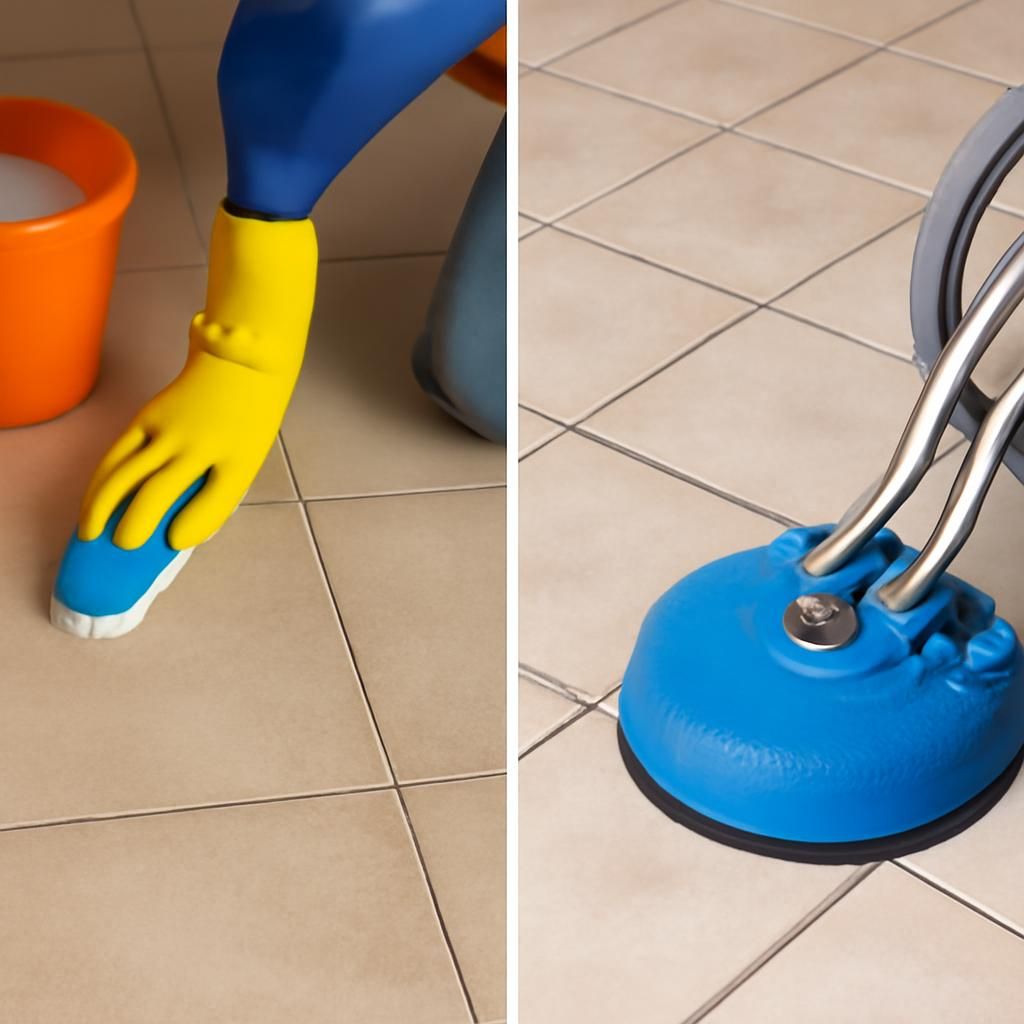
Not every ugly shower calls for replacement. If the grout is structurally sound—no cracks, no missing sections, no hollow tiles—but simply looks dark, yellowed, or uneven in color, professional tile and grout cleaning is likely to restore it. Yellowing from soap scum and iron staining from water respond well to professional steam and chemical treatment. If the grout was never sealed, or the sealant has worn off, a professional cleaning followed by sealing will often produce dramatic results without the cost of regrouting.
How Long Does Shower Grout Last?
Cement-based sanded or unsanded grout in a regularly used shower typically lasts between 8 and 15 years before it requires replacement, though this varies considerably with how well it was sealed, how hard the local water is, and how the shower is used. Epoxy grout—a two-part polymer-based product that is far more resistant to staining and moisture than cement grout—can last 20 years or more under the same conditions. If your shower grout is older than a decade and showing any of the signs above, replacement is a realistic expectation, not an overreaction.
Can You Put New Grout Over Old Grout?
This is one of the most common DIY misconceptions. Applying new grout directly over existing grout only works in a narrow situation: the existing grout must be structurally sound, and the new layer cannot exceed roughly 1/8 inch in depth—because fresh grout this thin will not have enough mass to cure properly and will crack or crumble quickly. In most real showers, the existing grout nearly fills the joint, leaving no meaningful space. The correct approach for failed grout is to remove the old material with a grout saw or oscillating tool before applying fresh grout.
Beyond the mechanical limitation, applying new grout over a surface that contains mold or moisture traps the problem rather than solving it. The underlying contamination continues to spread behind the new layer.
Is It Worth Sealing Grout in a Shower?
Yes—sealing shower grout is one of the highest-value maintenance steps a homeowner can take. Penetrating silicone-based sealers (such as those using fluoropolymer technology) soak into the grout and create a barrier that repels water and oil. This dramatically slows staining and mold growth. Sealing should be done after any new grout installation or professional cleaning, and the sealant should be reapplied every one to two years in a shower that sees daily use. Old grout can absolutely be sealed as long as it is clean, dry, and structurally intact first.
What to Avoid When Grout Is Failing
Do not grout over mold. Entombing active mold behind fresh grout does not kill it—it continues growing and will breach the new material.
Do not use bleach as a long-term mold solution. Bleach kills surface mold but does not penetrate porous grout, and repeated use can degrade the grout's binder over time.
Do not regrout without first checking the tile bond. If tiles are hollow, regrouting alone will not restore adhesion—and the tiles may shift or crack under use.
Do not use a metal-bristle brush on grout. Wire brush bristles can scratch tile glaze and abrade grout texture, accelerating future staining.
Do not apply sealant to wet or uncured grout. New grout needs at least 48–72 hours to cure before sealing; trapping moisture inside prevents proper curing and can cause cracking.
When to Call a Professional
DIY grout repair is practical for small, isolated areas with superficial issues. But several situations call for professional tile and grout service:
Any hollow-sounding tile, because water damage behind the wall must be assessed before new grout is applied
Widespread cracking or crumbling across multiple walls—a full shower regrout is a labor-intensive job that requires proper removal tools and technique
Persistent mold that returns despite repeated cleaning, because the source may be moisture intrusion that needs to be traced
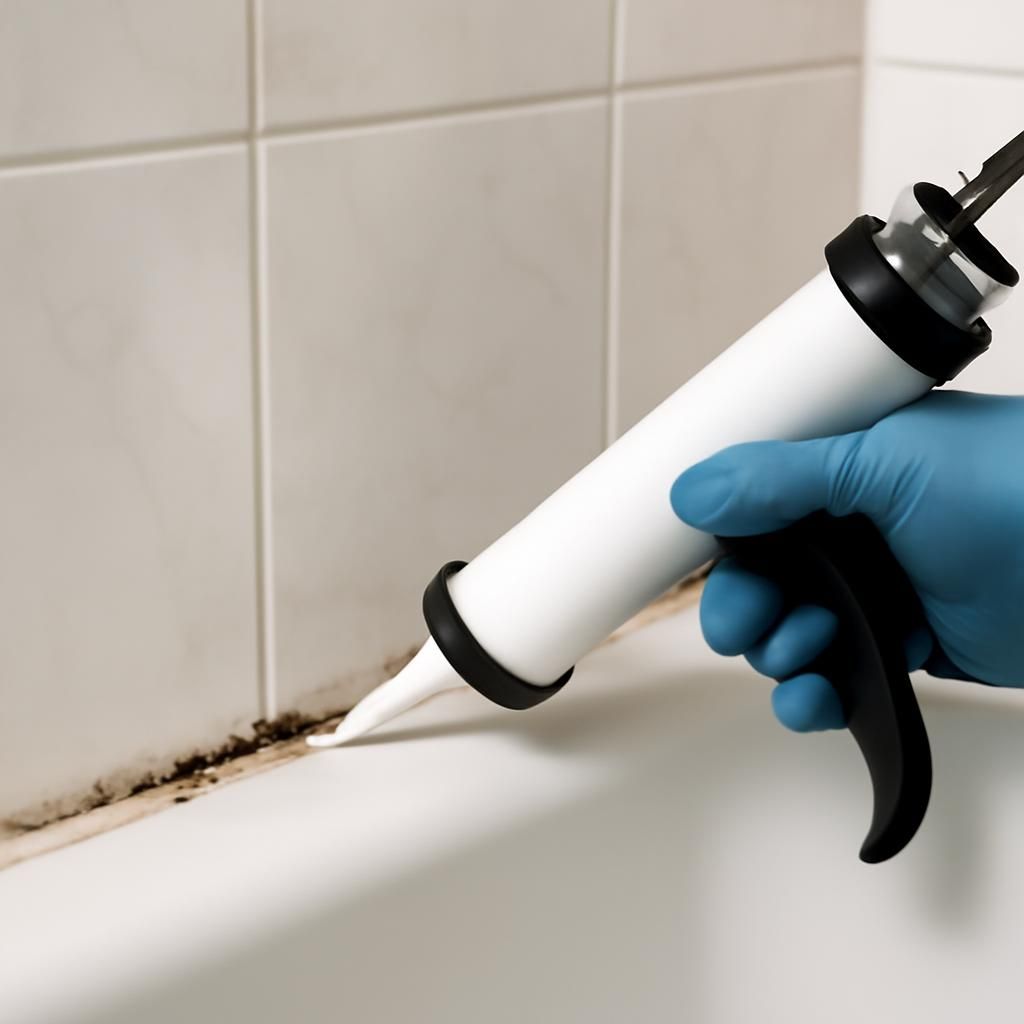
Grout failure at the caulk joint between the wall tile and shower floor—this joint requires flexible caulk, not grout, and improper repair here is a common source of leaks
Groutastic provides residential and commercial tile and grout cleaning, restoration, and regrouting services across Suffolk County and Nassau County, NY. If you are unsure whether your shower needs cleaning, regrouting, or a full tile assessment, a professional evaluation will give you a clear, cost-accurate answer before you commit to any path.
Frequently Asked Questions
Is it expensive to re-grout a shower?
Cost varies with shower size, grout type, and the extent of removal required. A small shower with straightforward cement grout will cost less than a large walk-in with epoxy grout or damaged substrate. Getting a professional assessment first is the most reliable way to understand the actual scope—and whether spot repair rather than full regrout is sufficient.
Why do builders often skip sealing grout?
Grout sealant is frequently omitted in new construction because it adds a step that requires the grout to fully cure first—typically 48–72 hours minimum. In a fast-moving construction schedule, that wait is skipped, and the responsibility for sealing is effectively handed to the homeowner. This is one reason why grout in newer homes often stains quickly after move-in.
Can I apply grout sealer to old grout?
Yes, as long as the grout is clean, completely dry, and structurally intact. Professional cleaning before sealing is strongly recommended—sealing over embedded dirt or mold locks the contamination in place and reduces how well the sealer penetrates. Once clean and dry, a penetrating silicone sealer can be applied to grout of any age.
Published by Groutastic.

Comments