
Best Tile Cleaning in Lawrence, NY: Cost & Hiring Guide

By Josh Kaplan
Key Takeaways
Professional tile cleaning in Lawrence, NY typically costs more than national averages due to Nassau County trip minimums and local demand.
IICRC-certified technicians use hot-water extraction and rotary scrubbing — methods that genuinely restore grout color, not just surface appearance.
Dawn dish soap and vinegar can damage grout sealant over time; pH-neutral cleaners are safer for routine maintenance.
Sealing grout after professional cleaning is the single biggest step that extends results and reduces re-cleaning frequency.
Get at least two itemized local quotes — minimum charges, trip fees, and per-square-foot rates vary significantly between Lawrence-area providers.
What Tile Cleaning Actually Costs in Lawrence, NY
Professional tile and grout cleaning in Lawrence, NY is priced differently from national estimates you'll find on generic cost guides. Nassau County providers typically apply a minimum service charge — commonly $150 to $250 — before any square footage pricing kicks in. That minimum exists to cover travel, setup, and equipment time for shorter jobs, and it applies whether your bathroom is 40 square feet or your kitchen is 120.
Beyond the minimum, per-square-foot rates for tile and grout cleaning in the Lawrence area generally fall between $0.50 and $1.00 per square foot for standard ceramic or porcelain floors. Natural stone — travertine, marble, and slate — commands a higher rate, typically $1.00 to $2.00 per square foot, because the chemistry and technique differ significantly. Shower tile restoration, which involves confined spaces and usually heavy soap-scum and mildew buildup, is almost always quoted as a flat job rate rather than square footage.
Add-on services that affect your final quote include:
Grout sealing — a critical follow-up step, usually $0.25–$0.50 per square foot on top of the cleaning price
Grout color sealing or recoloring — higher labor cost but transforms stained or mismatched grout without replacement
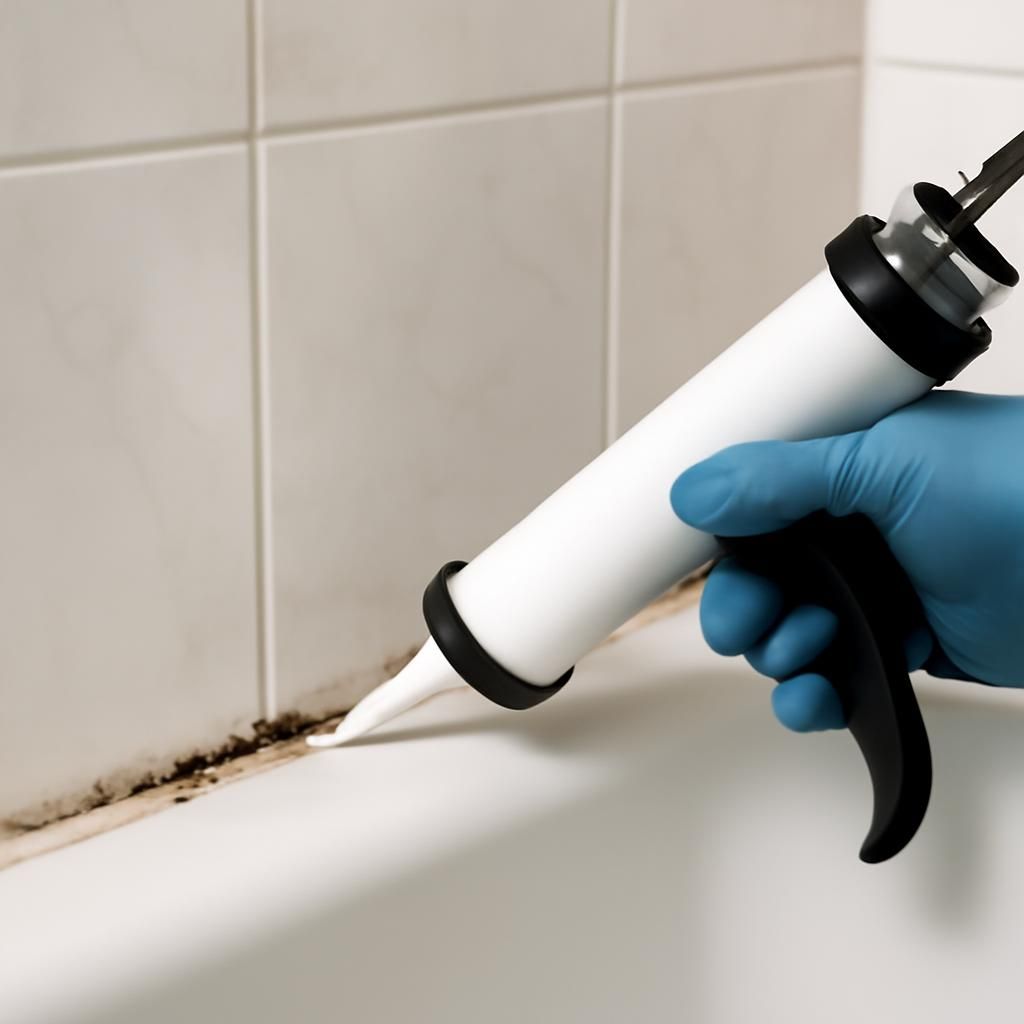
Caulk removal and replacement — commonly needed in showers, quoted separately per linear foot
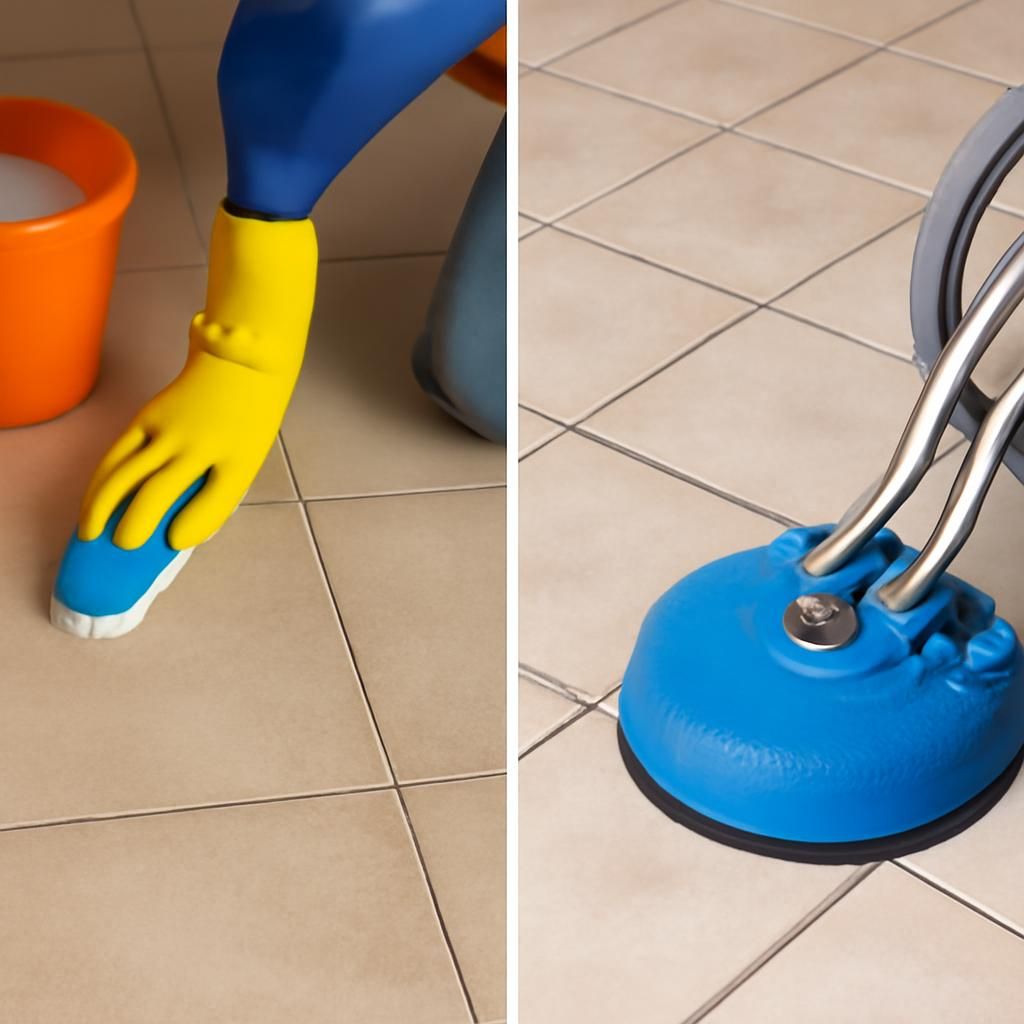
Truck-mounted vs. portable extraction — truck-mounted hot-water extraction equipment typically produces better results and may be priced at a slight premium over portable units
How Local Quotes Are Structured
When you call providers serving Lawrence and nearby communities like Garden City South, Greenvale, and Great Neck Gardens, expect quotes structured one of two ways: a flat-rate room minimum, or a base minimum plus per-square-foot pricing beyond a threshold (often 200 sq ft). Always ask which model applies and whether grout sealing is included or separate — this single question prevents the most common "the final bill was higher than I expected" outcome.
Trip fees are real in Nassau County. A company headquartered further into Long Island may add a fuel or travel surcharge for a Lawrence address. Ask upfront. Providers local to the Nassau/Queens corridor typically waive this or build it into their minimum.
How to Compare Local Estimates Fairly
Getting two or three quotes is standard advice, but comparing them fairly takes a little more effort when the line items differ. Use this comparison framework:
Line Item to Check | What to Ask | Why It Matters |
Minimum charge | What is the flat minimum for a small job? | Determines true cost for bathrooms and small kitchens |
Per sq ft rate | Does pricing change after a certain square footage? | Large kitchens may get a lower blended rate |
Grout sealing | Is sealing included or billed separately? | Without sealing, results degrade faster |
Equipment type | Truck-mounted or portable extraction? | Truck-mounted typically achieves higher water temperature and suction |
Certification | Are technicians IICRC-certified? | Confirms training standard for cleaning methods and chemical use |
Trip/fuel fee | Any surcharge for Lawrence-area service? | Affects total cost, especially for smaller jobs |
Is Professional Tile Cleaning Worth It?
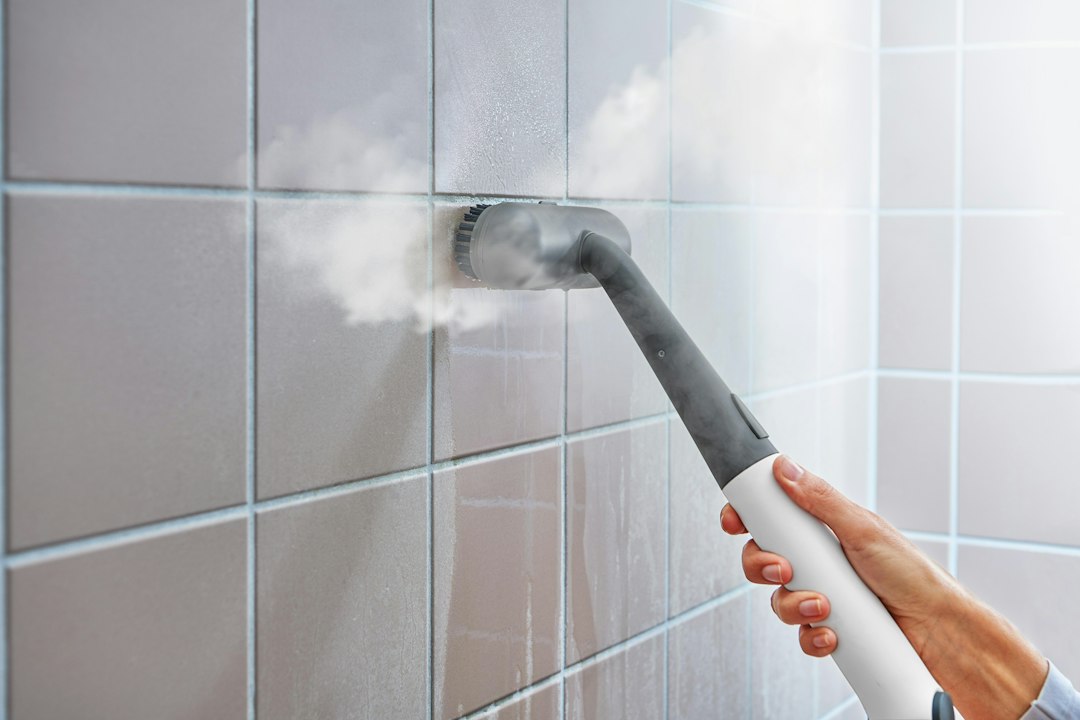
For surface-level dust and light soil, routine mopping is sufficient. Professional cleaning earns its cost when grout has darkened from embedded soil and biological growth that a mop cannot reach, when a resale or rental inspection is coming, or when previous DIY attempts with strong cleaners have dulled the tile finish. The specific mechanism that makes professional cleaning effective — high-temperature pressurized water agitated into the grout pores, then extracted — physically removes contaminants rather than diluting them across the surface. That is genuinely different from what a consumer steam mop achieves.
A realistic expectation: grout that has been neglected for several years can be restored to roughly 80–90% of its original color in a single professional cleaning session. Grout that has been stained with paint, certain dyes, or deeply oxidized from years of bleach misuse may not fully recover without color sealing, which deposits a pigmented sealer over the existing grout rather than removing the stain.
How Professionals Clean Tile Floors
A professional tile and grout cleaning visit follows a consistent sequence regardless of the provider:
Pre-inspection — identifies tile type, grout type (sanded vs. unsanded), existing sealant condition, and any cracked or loose tiles that cleaning could worsen
Pre-treatment — an alkaline cleaning solution (pH 10–12 for standard ceramic; pH-neutral for natural stone) is applied to grout lines and allowed to dwell, loosening bound-in soil
Agitation — a rotary brush or hand tool works the pre-treatment into grout pores; truck-mounted systems often use a rotating floor spinner tool that simultaneously pressurizes, agitates, and vacuums
Hot-water extraction — high-temperature water flushes the loosened soil; the machine extracts it simultaneously so surfaces dry faster
Post-cleaning inspection — technician checks for remaining stains and spot-treats
Sealing (optional but recommended) — a penetrating or topical sealer is applied to grout lines; penetrating sealers (also called impregnators) are generally preferred for interior floor grout because they do not change the surface appearance but resist moisture and staining
The Institute of Inspection Cleaning and Restoration Certification (IICRC) establishes training and procedural standards for professional cleaning technicians, including tile and grout work. Asking whether a technician holds IICRC certification is a practical way to filter for providers who follow a documented standard rather than an ad hoc approach.
What Professionals Use to Clean Tiles
Professional-grade products differ from retail cleaning solutions in concentration and formulation. The two primary categories are:
Alkaline degreasers (e.g., concentrated products like Chemspec Tile and Grout Cleaner or CFR-grade alkaline solutions) — used on ceramic, porcelain, and most glazed tiles to cut soap scum, grease, and organic soil. These are diluted from high-concentrate formulas and are not available at retail.
Acidic descalers — used carefully and sparingly for heavy mineral deposits (hard water scale, calcium buildup). Never used on natural stone, as acid will etch marble, travertine, and limestone.
Equipment-side, truck-mounted hot-water extraction systems are the industry benchmark for tile floors. Portable extractors are used for areas inaccessible to a truck (upper floors of buildings, tight bathrooms), and they perform well when the equipment is properly maintained — but water temperature and vacuum pressure are typically lower than truck-mounted units.
What Not to Use on Tile Floors
Several common household products damage tile or grout over time, and the specific harm is worth naming precisely:
Vinegar and citrus-based cleaners — acidic pH slowly etches grout and will damage natural stone tile permanently. The fact that these are "natural" does not make them safe for grout.
Bleach (undiluted or regular use) — bleach lightens grout color temporarily but degrades the binder in grout over repeated applications, eventually making grout crumbly and porous. It also produces fumes that are harmful in enclosed spaces like bathrooms.
Dawn dish soap and similar surfactants — Dawn is not harmful to tile or grout in a single use, but its surfactant residue builds up in porous grout over time, attracting more soil and creating a film that dulls the tile surface. It's a reasonable emergency fix but a poor routine cleaner for grout-heavy floors.
Steel wool and abrasive scrub pads — scratch glazed tile and leave metal fragments in grout that rust and stain.
Oil-based soaps (Murphy Oil Soap on tile) — leaves a residue on grout that conventional mopping cannot remove.
The American Lung Association - Cleaning Supplies and Household Chemicals advises ensuring adequate ventilation when using any cleaning product indoors — particularly relevant in bathrooms and laundry rooms where tile cleaning often happens in confined, poorly ventilated spaces.
How to Clean Very Dirty Tiles at Home
When tile is heavily soiled but professional cleaning isn't scheduled yet, a targeted DIY approach works better than more of the same mop-and-bucket routine:
Sweep or vacuum first — wet cleaning over loose grit scratches tile and pushes soil into grout
Apply a pH-neutral tile cleaner or a diluted oxygen bleach product (such as OxiClean Free, which avoids fragrances) to grout lines, let it dwell 10–15 minutes
Scrub grout with a stiff-bristle nylon brush — a dedicated grout brush with a narrow head reaches the grout channel; a toothbrush works for small areas
Rinse thoroughly — residue left in grout attracts new soil faster than clean grout does
Dry the surface — standing water in unfinished grout accelerates mold growth
This approach maintains between professional visits but does not substitute for extraction-based deep cleaning once grout has darkened from embedded soil.
How to Get Dull Tiles to Shine Again
Dull tile has one of three causes, each requiring a different fix:
Soap/cleaner residue film — a rinse with clean warm water and a microfiber mop, followed by buffing dry, often restores shine immediately. This is the most common cause of dullness on glazed ceramic and porcelain.
Hard water mineral deposit — requires an appropriate descaler (safe for the tile type); professional cleaning removes this more thoroughly than any consumer product
Surface etching or micro-scratching — on natural stone, this is physical damage to the surface layer and requires professional honing or polishing, not cleaning. On glazed ceramic, this is typically irreversible once the glaze is scratched through.
Unglazed porcelain and natural stone tiles can be professionally polished or crystallized to restore luster — a service distinct from cleaning. If your tile is matte-finish porcelain by design, no cleaning process will make it look glossy; that finish is intentional.
When to Call a Professional Instead of DIY
DIY cleaning is appropriate for regular maintenance on tile in good condition with intact grout sealant. Move to professional service when:
Grout is visibly darker than its original color and scrubbing has not improved it
Grout in a shower smells musty even after cleaning — biological growth inside the grout pores requires extraction to remove
Tile is natural stone (marble, travertine, slate) and you are unsure which products are safe — the wrong cleaner can cause permanent etching
A home sale, rental turnover, or renovation reveal is approaching and the tile needs to look restored, not just clean
Caulk around the shower base or tub surround is cracking, peeling, or discolored — this is a restoration job beyond cleaning
Groutastic provides residential and commercial tile and grout cleaning and restoration services to Lawrence, NY and surrounding Nassau County communities. For homes with a mix of tile types — say, ceramic kitchen floors, a natural stone bathroom, and porcelain shower walls — a single professional visit can address each surface with the appropriate method and chemistry.
FAQ
Does grout sealing really make a difference?
Yes, measurably. Unsealed grout is a porous cement product that absorbs water, cooking oils, soap residue, and biological material. A penetrating sealer fills those pores without changing the surface texture, dramatically slowing re-soiling. Professional cleaning without sealing is still valuable, but the results degrade faster — typically within 6–12 months in a busy kitchen versus 2–3 years with a quality penetrating sealer applied post-cleaning.
How often should tile and grout be professionally cleaned?
Kitchen tile floors in active households benefit from professional cleaning every 12–18 months. Bathroom tile and showers, where soap scum and humidity accelerate buildup, generally warrant service every 12 months. Lightly used guest bathrooms can go 2–3 years between professional visits if maintained well and sealed.
Can discolored grout be fixed without replacing it?
Often, yes. Deep cleaning removes embedded soil that causes most grout darkening. For staining that survives cleaning — from dyes, rust, or long-term bleach degradation — grout color sealing applies a pigmented penetrating sealer that standardizes the color across all grout lines. This is significantly less expensive and disruptive than grout removal and replacement.
Published by Groutastic.
Comments