
Fall Tile Restoration in Farmingville, NY: A Guide

By Josh Kaplan
Key Takeaways
Fall's cooler, drier air makes sealants cure faster and bond better than summer humidity allows.
Grout, not tile, is usually the first surface to degrade—inspect it before assuming tiles need replacing.
Professional cleaning restores tile appearance without the cost of replacement in most cases.
Avoid vinegar and bleach on natural stone and colored grout—both cause irreversible damage.
Older Long Island homes built before 1978 may have lead-containing tile materials; disturb them carefully.
Why Fall Is the Right Time to Restore Your Tile
Fall is genuinely one of the best seasons to tackle tile cleaning and restoration—not just because it feels like a fresh-start time of year, but for practical reasons tied to how restoration products work. Grout sealants, tile coatings, and caulk all require low humidity and stable temperatures to cure correctly. The warm, muggy conditions of a New York summer can slow drying times, trap moisture under sealants, and cause adhesion failures. Once fall arrives and ambient humidity drops, these products bond more reliably and cure faster.
For homeowners and property managers in Farmingville, NY, and across Suffolk County, fall also marks the transition before windows close for winter—when tracked-in moisture, condensation, and heating-system air changes can accelerate grout deterioration and mold growth. Getting ahead of that cycle now saves significantly more effort later.
Start With an Honest Assessment: Tile vs. Grout vs. Caulk
One of the most common and costly mistakes homeowners make is assuming the tile itself is the problem. In reality, ceramic and porcelain tiles are among the most durable materials in a home—they rarely fail on their own. What fails first is almost always the grout or the caulk around the tile perimeter.
Grout: Porous, vulnerable to staining, and prone to cracking over time. Discoloration, crumbling, or missing sections mean the grout needs cleaning, recoloring, or replacement—not the tile.
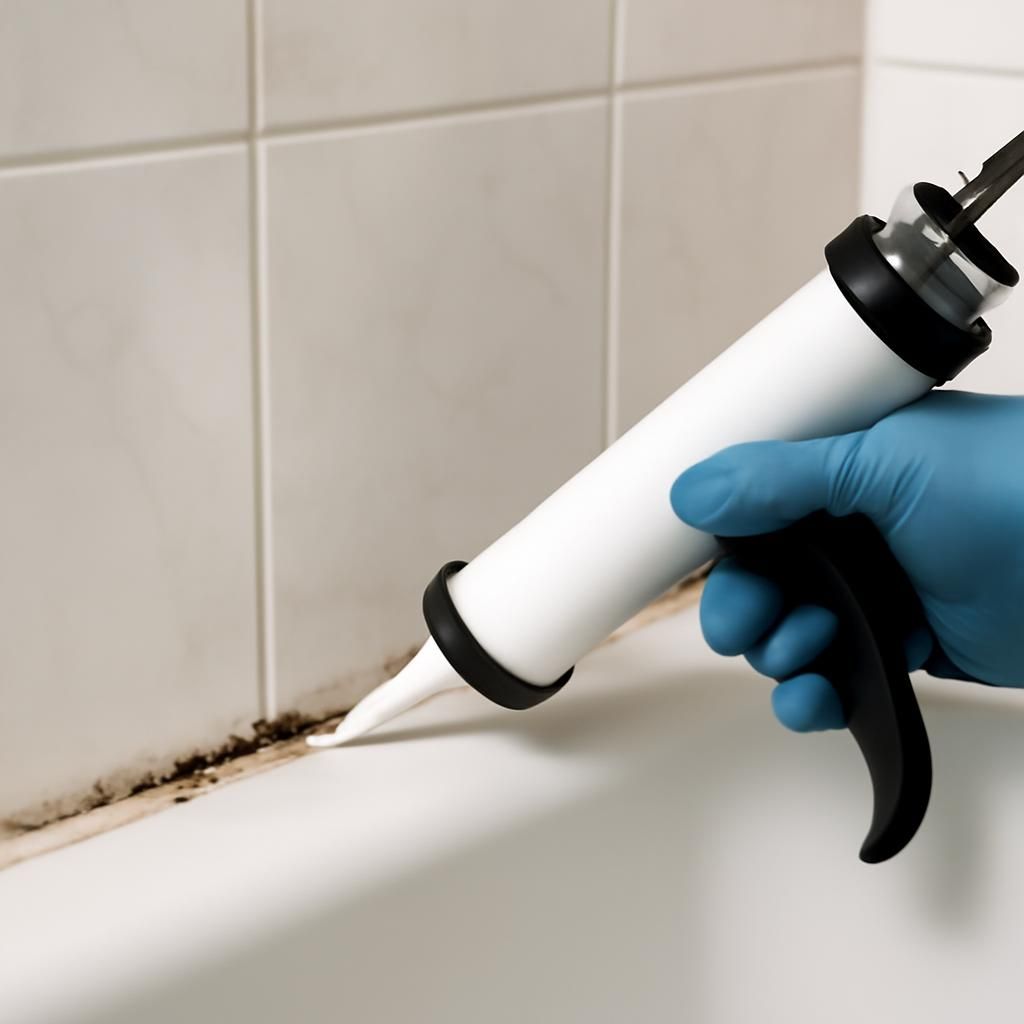
Caulk: Flexible sealant at corners, along tub edges, and where tile meets a different surface. It fails before grout does, and failed caulk is a direct water-intrusion point.
Tile surface: Chips, crazing (hairline surface cracks on glazed tiles), or etching on natural stone are tile-level problems. These may require reglazing or individual tile replacement.
Walk each tiled surface and probe grout lines with a wooden skewer or similar tool. Soft, crumbling grout means moisture has already penetrated. Tap individual tiles; a hollow sound suggests the adhesive beneath has failed. This triage step determines which restoration path—cleaning, regrouting, reglazing, or a combination—actually applies to your situation.
Can Floor Tiles Be Restored Without Replacing Them?
Yes, in the majority of cases. Full tile replacement is rarely necessary unless tiles are structurally cracked through to the substrate, or the adhesive failure is widespread. Most aged, dull, or stained tiles respond well to one or more of the following approaches:
Deep steam cleaning: High-temperature steam loosens embedded grease, soap scum, and biofilm from both tile and grout without requiring harsh chemicals. It is particularly effective on unglazed ceramic and natural stone where chemical cleaners carry more risk.
Grout recoloring or staining: A colorant like Aqua Mix Grout Colorant is brushed directly into cleaned grout lines. It seals the surface and unifies the color, making old grout look new without tearing it out.
Reglazing (also called refinishing or resurfacing): A bonding agent and epoxy-acrylic coating are sprayed over existing tile to create a new surface layer. This is most common in bathrooms where the original tile color is outdated or the glaze is crazed. The result is a hard, cleanable surface—but not a permanent one; reglazing typically holds up for 5–10 years with proper care before needing redoing.
Regrouting: Old grout is ground out with an oscillating tool using a grout removal blade, and fresh grout is packed in. This is the most durable correction for deteriorated grout, and the right fall project because new grout benefits from stable curing temperatures.
Is It Worth Having Tile Professionally Cleaned?
For most homeowners, yes—especially for grout. Grout lines sit recessed below the tile surface, which means mop water, cleaning products, and rinse water all drain into them. Over time, a soap-and-mineral-residue layer builds up that ordinary mopping cannot remove; it actually bonds the dirt more firmly. Professional truck-mounted or rotary hot-water extraction equipment reaches temperatures and pressures that dissolve this buildup at the source.
The honest trade-off: DIY cleaning with a stiff brush and an alkaline tile cleaner (pH 10–12 range, such as StoneTech KlenzAll) can maintain tile that is already in good condition, but it rarely fully reverses years of embedded discoloration in grout. A professional cleaning followed by a professional-grade sealer application is typically a one-day job that extends the restoration interval by several years.
How to Make Tiles Look New Again: A Practical Sequence
Clean thoroughly first. No sealer, colorant, or coating bonds correctly over dirt, grease, or soap residue. Use a pH-neutral cleaner for routine cleaning, or an alkaline cleaner to strip heavy buildup before restoration work begins.
Repair before you seal. Replace cracked or hollow tiles, re-caulk failed joints, and regrout deteriorated lines. Sealing over damage locks the problem in.
Let surfaces dry completely. Tile may look dry in an hour but grout can hold moisture for 24–48 hours. Sealing over damp grout traps moisture and causes the sealer to cloud or peel. Fall's lower humidity speeds this step.
Apply the correct sealer for the material. Penetrating (impregnating) sealers work below the surface and are correct for natural stone and unglazed tile. Topical sealers sit on the surface and are appropriate for grout on glazed ceramic or porcelain installations. Using a topical sealer on porous natural stone can trap moisture and cause spalling.
Buff and inspect. Wipe off any sealer haze before it fully cures, typically within 5–10 minutes of application, and check that no areas were missed.
What Not to Use on Tile and Grout
Some of the most widely available household cleaners cause direct, irreversible damage to specific tile types:
Vinegar on natural stone: Marble, travertine, and limestone are calcium-based. Vinegar (acetic acid) etches the surface permanently, leaving dull patches that cannot be buffed out without professional honing.
Bleach on colored grout: Chlorine bleach oxidizes the pigments in colored grout, stripping the color unevenly. It also degrades the grout's cement binder over repeated use.
Murphy's Oil Soap on tile floors: Murphy's Oil Soap is designed for wood. On tile, it leaves a thin, sticky residue that builds up with each application and attracts soil. It is not recommended for ceramic, porcelain, or stone tile.
Abrasive scrubbers on glazed tile: Steel wool or scouring pads scratch the glaze on ceramic or porcelain tiles, creating micro-scratches that trap dirt and dull the finish permanently.
Wax-based products on tile: Wax creates buildup in grout lines and is extremely difficult to remove without stripping the surface entirely.
Is Reglazing Bathroom Tile Worth It?
Reglazing is worth considering when the tile layout and substrate are structurally sound but the surface is dated or damaged at the glaze level. It costs substantially less than a full retile and takes one to two days rather than a week-long renovation. The caveats are real, though: reglazing cannot fix hollow or loose tiles, cannot correct substrate damage from water intrusion, and the coating is not as hard or as long-lasting as the original factory glaze. If a bathroom has active leaking behind the wall or widespread hollow tiles, reglazing delays a problem that will only become more expensive.
Safety Considerations for Older Homes
Farmingville and the broader Suffolk County area include many homes built before 1978. In older properties, tile adhesives, grout, and backing materials may contain hazardous substances. According to the EPA - Lead in Paint, lead was commonly used in paints and some building materials in homes built before 1978, and disturbing those materials during renovation or restoration can release lead dust. If your home is from that era and you are regrouting or removing tile, have the existing materials tested before grinding or demolition work begins.
Mold is a separate but related concern. Grout failure and caulk gaps allow moisture into wall cavities. If you find discoloration behind caulk lines or a musty odor when you remove grout, the issue may extend beyond the tile surface. The EPA - Mold Cleanup in Your Home recommends that mold patches larger than 10 square feet be handled by a professional rather than a DIYer, as improper containment can spread spores throughout the home.
When to Call a Professional Instead of DIYing
Some tile restoration work is genuinely approachable for a careful homeowner: routine cleaning, re-caulking a tub edge, or applying a penetrating sealer to a small area. But certain situations reliably exceed what DIY can correct well:
Grout that is crumbling in large sections, indicating a moisture problem that cleaning cannot fix
Hollow-sounding tiles in a wet area, which suggests adhesive or substrate failure behind the wall
Any mold that extends into the grout or behind visible surfaces
Natural stone that has been etched or scratched—restoring the surface requires diamond honing and polishing equipment, not consumer products
Whole-room regrouting, where consistency of color and depth matters for the finished look
Groutastic serves residential and commercial properties throughout Farmingville, NY and the surrounding Nassau and Suffolk County area, providing professional tile cleaning, grout restoration, regrouting, and sealing. If your assessment turned up any of the situations above, a professional evaluation will tell you exactly what the surfaces need—and what they don't—before you spend money on the wrong approach.
FAQ
How do I bring old tiles back to life without replacing them?
Start with a deep alkaline clean to strip residue, then assess whether the grout needs recoloring or replacement. A penetrating sealer applied after cleaning restores a refreshed look and protects against future staining. For glazed tiles with surface dullness, professional reglazing can restore sheen without demolition.
How can I refinish floor tile without replacing it?
For glazed ceramic or porcelain, professional reglazing applies an epoxy-acrylic coating over the existing surface. For unglazed tile, cleaning followed by a penetrating sealer is the correct approach—topical coatings on unglazed tile can peel. Regrouting around sound tiles dramatically improves the overall appearance at lower cost than full replacement.
Is Murphy's Oil Soap good for tile floors?
No. Murphy's Oil Soap is formulated for wood and leaves a residue on tile that builds up over repeated use, making grout lines darker and the tile surface feel tacky. Use a pH-neutral cleaner labeled specifically for tile, or a diluted alkaline cleaner for heavy-duty cleaning.
Published by Groutastic.
Comments