
Travertine Tile Cleaning & Restoration: Long Island Guide

By Josh Kaplan
Key Takeaways
Travertine's natural pores trap dirt and moisture, making sealed grout lines and regular pH-neutral cleaning essential.
Acidic cleaners — including vinegar — permanently etch travertine surfaces; always use stone-safe products.
Long Island's humid summers and salt air accelerate travertine deterioration, requiring more frequent sealing than inland climates.
Filled travertine is best for high-traffic floors; unfilled (tumbled) travertine suits decorative or low-traffic areas only.
Professional restoration — honing, polishing, and regrouting — is necessary when DIY cleaning no longer restores the surface.
What Is Travertine and Why Does It Need Special Care?
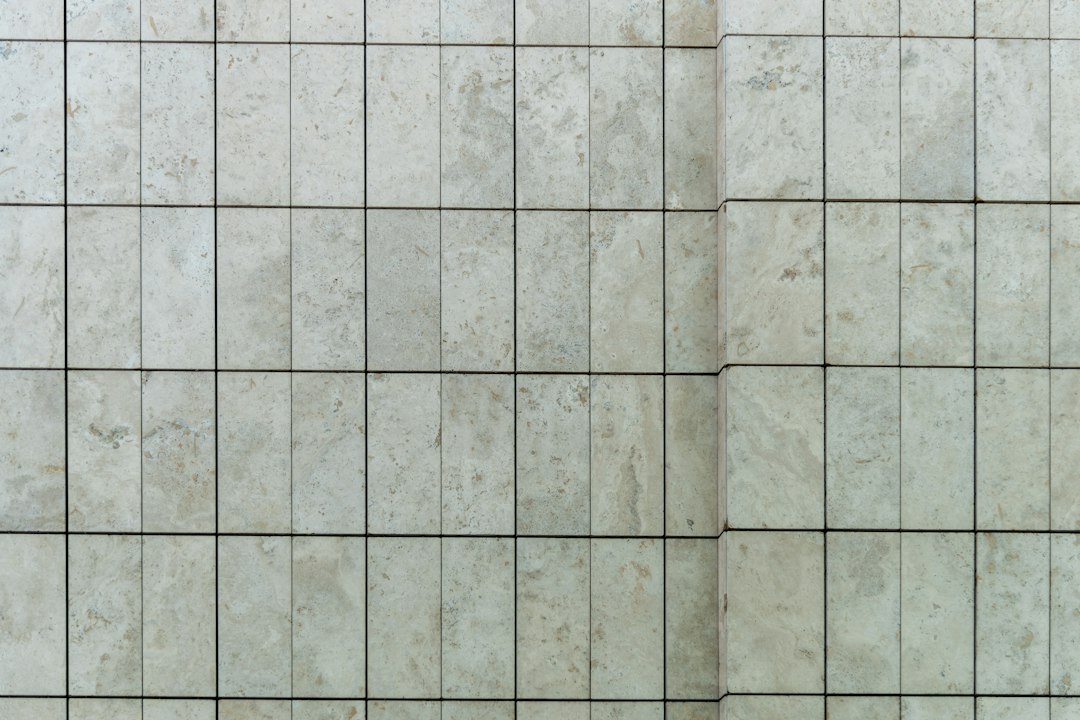
Travertine tile cleaning and restoration on Long Island requires a stone-specific approach because travertine is a naturally porous limestone formed by mineral-rich spring water — its cellular structure means everyday dirt, grease, and moisture penetrate the surface in ways that ceramic or porcelain tile simply do not. Understanding what travertine actually is makes every cleaning and restoration decision clearer. According to Wikipedia, travertine is a form of terrestrial limestone deposited by springs, characterized by a fibrous or concentric appearance and natural voids that give the stone its distinctive look — and its vulnerability.
Those natural voids are what make travertine both beautiful and demanding. In a Long Island home — whether it's a kitchen backsplash in Garden City, a master bathroom floor in Huntington, or a foyer in Great Neck — travertine is regularly exposed to humidity, cleaning products, and foot traffic that can erode, stain, and discolor the stone over months and years. The right maintenance routine protects your investment and keeps the tile looking like the day it was installed.
How Does Long Island's Climate Affect Travertine Tile?
Long Island's coastal environment creates specific challenges for travertine that inland homeowners simply don't face. The combination of humid summers (regularly above 70% relative humidity), salt air from the Atlantic and Long Island Sound, and freeze-thaw cycles in winter puts unusual stress on porous natural stone. Moisture that enters travertine's voids during summer humidity can expand when temperatures drop, widening existing cracks and loosening grout. Salt particles carried in from the coast deposit in the stone's pores, drawing moisture deeper and accelerating efflorescence — the white, chalky residue you may notice forming at grout joints.
This means Long Island travertine typically needs sealing more frequently than the general recommendation of every one to two years suggests. In bathrooms near exterior walls or on covered patios in coastal communities like Babylon or Freeport, annual sealing is a practical minimum. The grout lines between travertine tiles are equally vulnerable: unsupported grout in a humid, high-salt environment cracks, darkens, and becomes a breeding ground for mold far faster than in a dry climate. According to Statista, the natural stone flooring market continues to grow as homeowners prioritize premium materials — protecting that investment with climate-appropriate maintenance is essential.
Travertine Tile Cleaning: Step-by-Step for Long Island Homeowners
Cleaning travertine correctly starts with understanding what the stone cannot tolerate. The single most important rule: travertine is calcium carbonate, which reacts chemically with acid. Any cleaner with a pH below 7 — including white vinegar, lemon juice, most bathroom tile sprays, and grout-whitening products — will etch the stone surface on contact, creating dull, rough patches that cannot be buffed out without professional honing. For a detailed walkthrough of safe cleaning methods, see our guide on how to clean travertine tile and grout without damage.
Daily and Weekly Maintenance
Dry dust-mop first. Grit tracked in from outside is abrasive. A dry microfiber mop removes particles before they scratch the surface during wet cleaning.
Use a pH-neutral stone cleaner. Products specifically formulated for natural stone (look for "pH-neutral" and "safe for marble and travertine" on the label) are the only safe choice. One well-regarded option is StoneTech Professional Stone & Tile Cleaner, which is formulated for exactly this surface type.
Damp-mop, don't soak. Travertine absorbs standing water. Wring your mop until it is barely damp, work in sections, and dry with a clean towel immediately after mopping.
Blot spills immediately. Red wine, coffee, and citrus juices can stain or etch within minutes. Blot — never wipe, which spreads the liquid — and rinse with plain water.
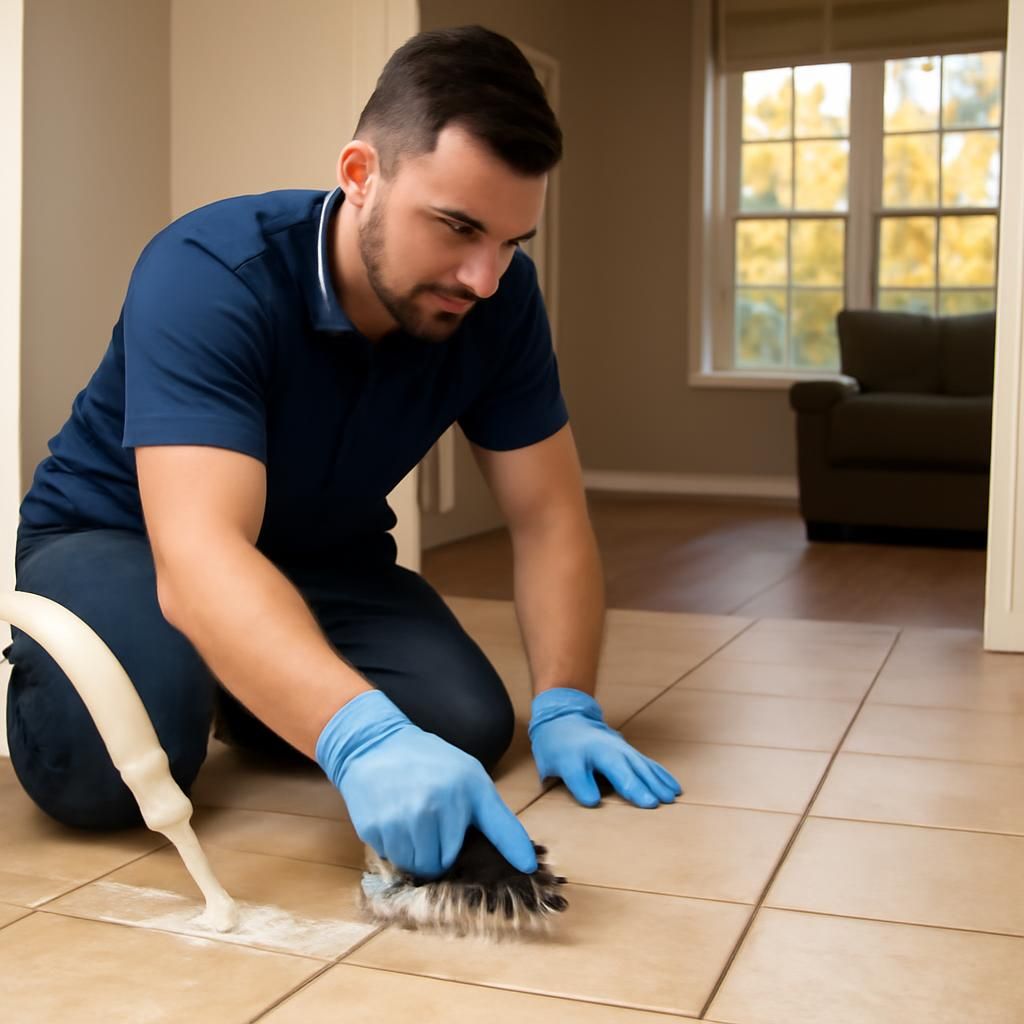
Clean grout lines separately. Use a soft-bristle brush and a pH-neutral cleaner. Never use bleach-based grout cleaners on travertine; the bleach can strip the sealer and discolor the stone edges.
Deep Cleaning Travertine
For built-up soil, soap scum in showers, or grease near a kitchen range, a dedicated stone-safe alkaline degreaser is appropriate — alkaline (high pH) products are safe for travertine because the stone's vulnerability is to acid, not base. Apply, let dwell for five minutes, agitate with a soft brush, and rinse thoroughly. Steam cleaning at low pressure (under 200°F) can also be effective for deep cleaning grout lines without chemicals, provided the steam wand is kept moving and the stone is dried immediately after.
What to Avoid When Cleaning Travertine
Getting travertine cleaning wrong causes permanent damage, so this list of specific hazards is worth memorizing before you touch a bottle under your sink.
Vinegar and lemon juice: Both are acidic and will etch the surface immediately — a common mistake homeowners make after reading general "natural cleaning" advice that works on ceramic tile but destroys travertine.
Bleach and chlorine-based products: These strip the sealer, discolor the stone, and degrade grout over time. This applies specifically to travertine shower tiles, where bleach sprays are frequently misused.
Abrasive scrubbers (steel wool, scouring pads): Travertine polishes to a relatively soft finish (around 3–4 on the Mohs hardness scale, significantly softer than porcelain at 7+). Any abrasive pad will scratch it visibly.
Grout steam cleaners set to high pressure: High-pressure steam or power washing forces water into travertine's voids, accelerating spalling, cracking, and efflorescence — especially damaging in Long Island's freeze-thaw winter cycle.
Generic "floor cleaner" products: Most household floor cleaners contain surfactants and pH-altering agents that are not formulated for natural stone. "Neutral pH" on a general cleaner label does not always mean safe for travertine — look specifically for stone-safe certification.
Filled vs. Unfilled Travertine: Which Needs More Maintenance?
One non-obvious distinction that significantly affects your maintenance approach is whether your travertine is filled or unfilled. Filled travertine has had its natural voids injected with grout or epoxy during manufacturing, creating a smooth, closed surface. Unfilled (or "tumbled") travertine retains its natural holes and texture.
Feature | Filled Travertine | Unfilled/Tumbled Travertine |
Surface texture | Smooth, closed | Pitted, rustic texture |
Best use | High-traffic floors, kitchens, bathrooms | Decorative walls, low-traffic areas |
Cleaning ease | Easier — fewer voids to trap dirt | Harder — voids accumulate soil and moisture |
Grout requirements | Standard grout joints | Voids may need re-filling over time |
Sealing frequency (LI climate) | Annually | Every 6–12 months |
Professional restoration need | Less frequent | More frequent — voids reopen over time |
Unfilled travertine in a Long Island shower or on an outdoor patio is a maintenance-intensive choice. If you have it, professional void re-filling and grout repair is not optional — it is a recurring maintenance task, typically needed every few years depending on use.
Travertine Restoration: When Cleaning Isn't Enough
Travertine restoration goes beyond routine cleaning when the stone itself has been physically altered — etched, scratched, chipped, or when the grout has failed. According to Realtor.com, natural stone flooring adds measurable value in the New York real estate market, making full restoration a financially sound decision before listing a Long Island home, not just a cosmetic one.
Honing
Honing is a mechanical process where progressively finer abrasive pads grind away the top layer of the stone to remove etch marks, scratches, and surface stains. It produces a matte or satin finish. Honing is the correct first step for travertine that has been etched by acidic cleaners — it removes the damage rather than attempting to mask it.
Polishing
Polishing follows honing when a glossy finish is desired. It uses even finer abrasives and polishing compounds to bring travertine to a mirror-like sheen. Note that polishing is not appropriate for unfilled or tumbled travertine — the uneven surface cannot be brought to a consistent polish and the process can actually widen existing voids.
Grout Repair and Regrouting
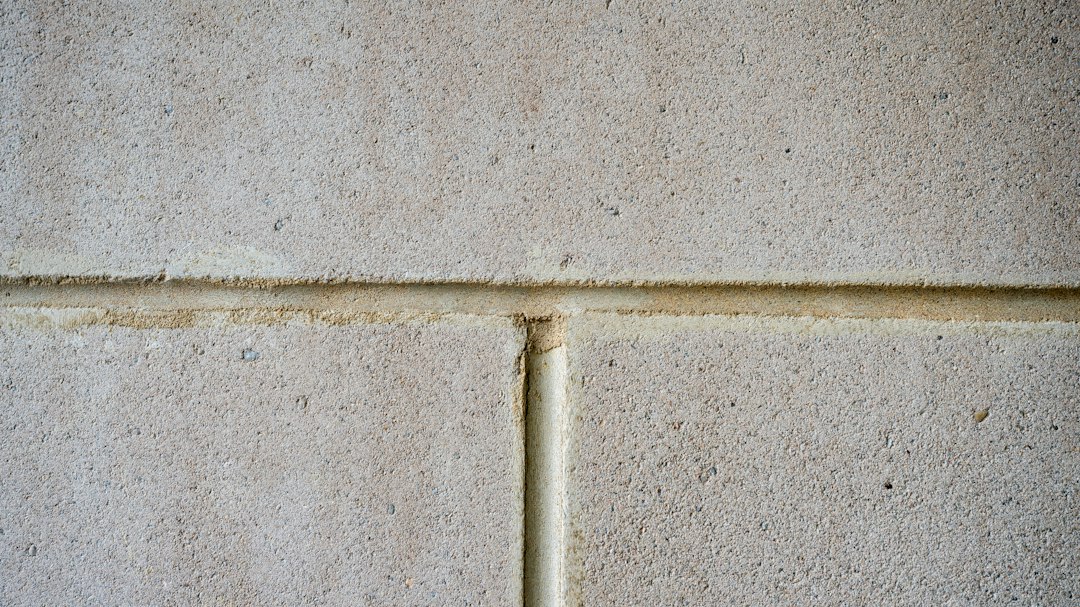
Failed, cracked, or discolored grout between travertine tiles is one of the most common restoration needs on Long Island, particularly in older bathrooms and entryways. Grout repair involves removing damaged grout, cleaning the joint, and applying fresh grout matched to the original color. In shower enclosures, caulking replacement at corners and transitions is equally critical — failed shower caulking behind travertine tile allows water to penetrate behind the stone, causing substrate damage that is far more expensive to fix than the caulk itself. If you're weighing options for deteriorating grout, our breakdown of whether to regrout or replace tile can help you make the right call before committing to a repair approach.
When Should You Call a Professional for Travertine Work?
Etch marks, scratches, or dull patches that don't respond to cleaning — these require mechanical honing, not product application.
Cracked, missing, or deeply stained grout joints — improper DIY regrout can trap moisture and introduce incompatible materials.
Mold visible inside grout lines or behind caulk in a shower — surface mold killers rarely reach the root of the problem in porous stone installations.
Tiles that sound hollow when tapped — this indicates failed adhesive beneath the stone, which will lead to cracking if unaddressed.
Any travertine in a wet area (shower, tub surround) that hasn't been professionally sealed within the past 12 months.
White efflorescence returning within weeks of cleaning — this signals a moisture intrusion problem that requires diagnosis, not just surface treatment. Our guide on removing efflorescence from patio tile and pavers explains the underlying causes and what proper remediation involves.
Groutastic provides professional tile and grout cleaning, grout repair, and shower caulking services across Long Island — exactly the skilled interventions that protect travertine tile once DIY maintenance has reached its limit. For grout line restoration, professional shower caulk replacement, and deep tile cleaning on natural stone, working with a specialist ensures the right materials and techniques are matched to travertine's specific requirements. You can also review our Long Island tile and grout cleaning cost guide to understand what professional service typically runs before scheduling an estimate.
Frequently Asked Questions: Travertine Tile on Long Island
Can I use a steam mop on travertine floors?
A steam mop can be used on sealed travertine floors at a low-heat setting, provided you keep the head moving and dry the floor immediately after. High-temp
This article is based on real published content from Groutastic, cites authoritative sources, and is reviewed before publication.
Comments