
Grout Sealing in Cove Neck, NY: Costs & Local Guide

By Josh Kaplan
Key Takeaways
Grout sealing in Cove Neck, NY typically costs $1–$3 per square foot depending on surface size and condition.
Sealing grout every 1–3 years prevents staining, moisture damage, and costly regrouting.
It is never too late to seal grout — even stained grout benefits after a professional deep clean.
Penetrating sealers outperform topical sealers in high-traffic areas like kitchens and bathrooms.
Spray applicators cover wide areas fast; brush-tip applicators give precision control on narrow grout lines.
Grout Sealing in Cove Neck, NY: What It Costs and What You Need to Know
Grout sealing in Cove Neck, NY is the process of applying a protective barrier to the porous grout lines between tiles, preventing moisture, staining, and mold from penetrating the surface. For homeowners in Cove Neck and neighboring communities like Lawrence, Long Beach, and Manorhaven, sealing grout is one of the most cost-effective ways to extend the life of tiled surfaces — in kitchens, bathrooms, entryways, and outdoor pavers alike.
How Much Does Grout Sealing Cost in Cove Neck, NY?
Professional grout sealing in Cove Neck, NY generally runs between $1 and $3 per square foot, with most residential projects falling in the $200–$500 range depending on room size and the condition of existing grout. That estimate typically covers labor, the sealer product itself, and a basic surface inspection before application. Here is a breakdown of what influences your final bill:
Cost Factor | Lower End | Higher End | Why It Matters |
Square footage | Small bathroom (50 sq ft) | Open-plan kitchen + mudroom (400+ sq ft) | More area = more labor and product |
Grout condition | Clean, intact grout | Stained, cracked, or moldy grout | Cleaning or repair must precede sealing |
Sealer type | Topical / film-forming sealer | Premium penetrating (impregnating) sealer | Penetrating sealers last longer and cost more upfront |
Surface type | Ceramic floor tile | Natural stone, porous travertine, or outdoor pavers | Porous materials absorb more sealer and require more product |
Grout line width | Narrow, standard lines | Wide or irregular lines (handmade tile, brick) | Wider lines have more surface area to seal |
One pricing nuance Nassau County homeowners often miss: if your grout has heavy mold or mineral staining — common in bathrooms near the Long Island Sound — you will likely need a professional cleaning session before sealing. That adds cost but is not optional; sealing over dirty grout locks in the stain permanently.
Does Sealing Grout Actually Work?
Yes — sealing grout works, and the mechanism is straightforward. Grout is made primarily from cement, which is naturally porous. An unsealed grout line acts like a sponge: spilled coffee, cooking oil, hard water, and cleaning chemicals absorb into the surface and discolor it permanently. A penetrating sealer — such as one based on fluoropolymer or silane-siloxane chemistry — fills those microscopic pores without changing the appearance of the grout, so liquids bead on the surface instead of soaking in.
The key distinction is between topical sealers and penetrating (impregnating) sealers. Topical sealers form a film on top of the grout and can peel or yellow over time, especially in wet areas. Penetrating sealers bond below the surface and are the professional standard for kitchens, showers, and any high-moisture zone. To understand which option is right for your home, it helps to review the differences between penetrating and topical grout sealers before committing to a product. For outdoor paver sealing — a common request from Long Beach and Manorhaven homeowners with brick or concrete pavers — a penetrating sealer is almost always the right call because it will not create a slippery film when wet.
Is It Ever Too Late to Seal Grout?
It is never too late to seal grout, even if the grout lines are heavily discolored or stained. The critical step is professional cleaning first. Steam cleaning and high-pressure cleaning methods can remove years of embedded grease, mildew, and soap scum, restoring grout to a condition where sealing will actually be effective. Once cleaned, a penetrating sealer applied professionally will still provide full protection going forward — even on grout that has gone years without sealing.
The only scenario where sealing alone is not enough: structurally compromised grout — cracked, crumbling, or missing sections. In those cases, regrouting or spot repair must happen before sealing. Groutastic handles both repair and sealing as part of a complete restoration, so you are not managing two separate contractors.
Why Do Builders Not Seal Grout?
Most residential builders do not seal grout at the time of installation for three practical reasons: sealer requires the grout to cure fully first (typically 48–72 hours minimum for cement-based grout, and sometimes longer), it adds cost that is not included in standard build contracts, and the responsibility is typically passed to the homeowner as routine maintenance. Some builders do apply a basic topical sealer as a finishing step, but it is rarely a premium penetrating product, and it is almost never disclosed clearly to the buyer.
This is especially relevant for newer construction in Nassau County, where buyers may assume the tile and grout were sealed during the build — and discover years later that they were not. If you moved into a newly built home in Cove Neck or a nearby community like Lynbrook or Malverne, it is worth having a professional assess whether sealing was done and whether it has held.
How Long Will Grout Sealer Last?
Grout sealer longevity depends on the type of sealer applied and the amount of traffic and moisture the surface endures. As a general guide:
Topical / film-forming sealers: 1–2 years in high-traffic or wet areas before they begin to peel or wear unevenly.
Penetrating sealers (standard formulas): 3–5 years in average residential use.
Premium fluoropolymer penetrating sealers: Up to 5–10 years in well-maintained low-traffic areas, though high-use zones like kitchen floors shorten this significantly.
A simple home test: splash a few drops of water on your grout. If the water beads up, the sealer is still working. If it absorbs and darkens the grout, the sealer has worn and it is time to reseal.
How Often Are You Supposed to Seal Your Grout?
For most residential tile surfaces, sealing grout every one to three years is the recommended maintenance schedule. High-use areas — shower floors, kitchen backsplashes, entryway tile — need attention on the shorter end of that range. Low-traffic areas like a guest bathroom or laundry room can stretch to three years or more between applications. For a deeper look at timing based on surface type and usage, see this guide on how often you should seal grout.
Outdoor surfaces like patio pavers, which are common in Cove Neck properties with landscaped outdoor spaces, face UV exposure, freeze-thaw cycles, and rain in addition to foot traffic. Nassau County's climate, with cold winters and humid summers, is particularly hard on grout and grout sealer alike — outdoor surfaces typically benefit from resealing every one to two years.
Is It Better to Spray or Brush Grout Sealer?
Spray applicators and brush or bottle-tip applicators each have a specific use case, and choosing the wrong one wastes product and reduces effectiveness.
Spray applicators are best for large, open-format tile floors where the grout network is wide and the risk of overspray onto the tile face is low (or the tile surface is also being sealed, such as with unglazed stone). They cover ground quickly but can leave uneven coverage on narrow grout lines.
Brush or bottle-tip applicators give precise, controlled coverage directly into the grout line — the professional standard when working with glazed ceramic or porcelain tile, where the sealer must stay off the tile face. This method takes longer but ensures full saturation of every grout line without wasting product on the tile surface.
Professional technicians from Groutastic use the appropriate applicator for each surface and tile type — an important detail, because applying a penetrating sealer to a glazed tile face and leaving it to dry can cause a hazy residue that is difficult to remove.
What Are the Disadvantages of Sealing Grout on Tile?
Sealing grout has real advantages, but it is worth knowing the limitations honestly:
Sealer does not repair grout — it protects intact grout but cannot fill cracks or restore crumbling joints.
Topical sealers can alter appearance — some leave a shiny film or slightly darken light grout, which may not be the look you want.
Improper application creates problems — sealer left on glazed tile faces and allowed to dry can leave a permanent cloudy haze.
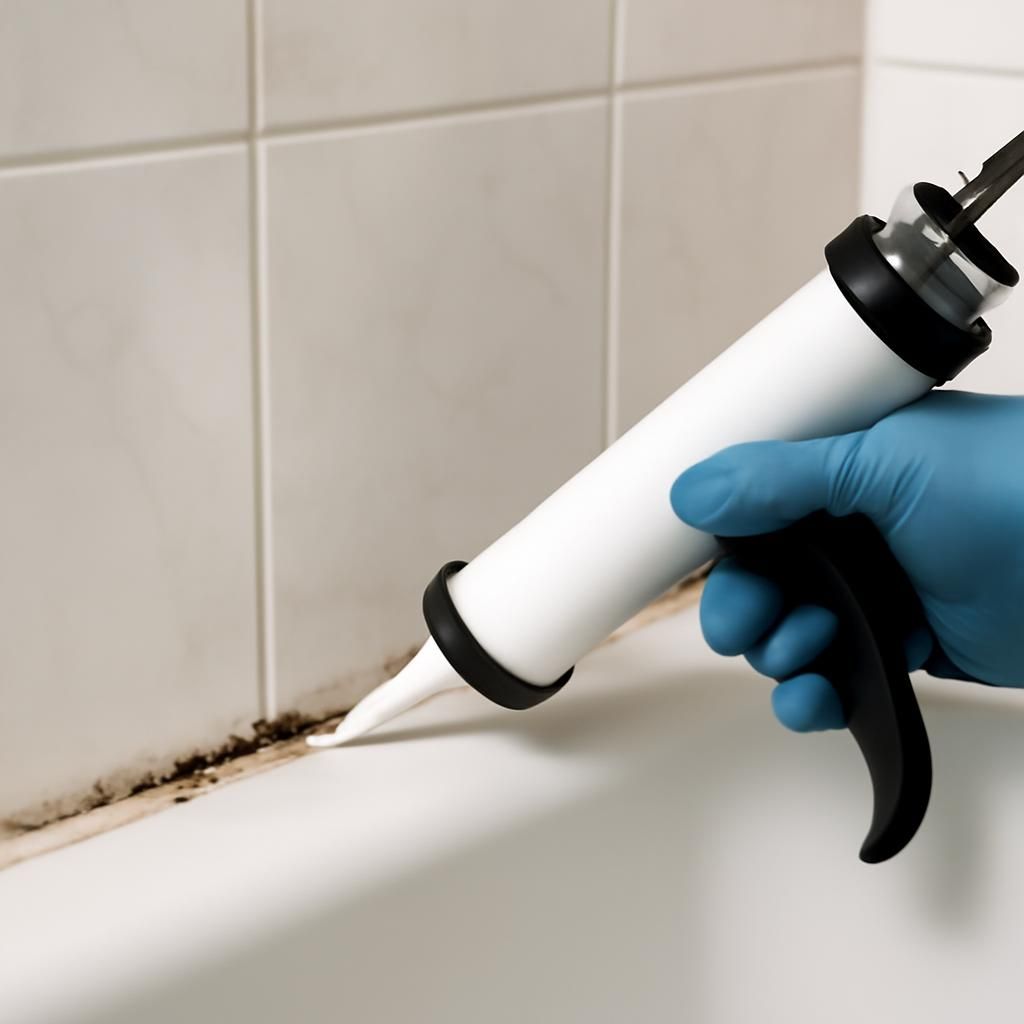
Sealing over dirty grout locks in stains — this is the most common DIY mistake. A professional clean before sealing is essential.
Cost of reapplication — sealers are not a one-time fix; budget for periodic resealing as part of regular home maintenance.
What to Avoid When Sealing Grout
Whether you hire a professional or evaluate the work afterward, these are the specific mistakes that cause real damage — and many of them are surprisingly common among first-time DIYers. Reviewing DIY grout sealing mistakes that waste money before starting any project can save you significant time and expense:
Sealing uncured grout: Applying sealer before grout has fully cured traps moisture inside the joint, which leads to efflorescence (white mineral deposits) and weakened grout bonds. Wait the manufacturer's recommended cure time — typically a minimum of 48–72 hours for standard cement grout.
Using an incompatible sealer on epoxy grout: Epoxy grout is non-porous and does not need sealing. Applying a penetrating sealer to epoxy grout accomplishes nothing and wastes product.
Using bleach-based cleaners before sealing: Harsh bleach can break down the grout surface, creating micro-pitting that actually makes grout harder to seal effectively. Use a pH-neutral professional cleaner instead.
Skipping ventilation: Many sealers — particularly solvent-based formulas — emit fumes. Ensure the space is well ventilated during and after application.
When Should You Call a Professional Like Groutastic?
DIY grout sealing from a hardware store bottle is a reasonable option for a small, clearly intact, already-clean surface — a modest backsplash in good condition, for example. But professional service is the right call in these situations:
Grout is stained, moldy, or has mineral buildup that household cleaners have not resolved
You have natural stone, travertine, or porous pavers that require a specialized sealer formula
The surface is large (a full kitchen floor, multiple bathrooms, or outdoor patio)
Grout lines show cracking, crumbling, or gaps that need repair before sealing
You want a result that lasts and comes with professional accountability
Groutastic provides residential and commercial surface cleaning and restoration services — including professional grout cleaning, grout repair, and sealing — for homeowners across Cove Neck, NY and surrounding Nassau County communities. Getting a professional assessment before committing to a scope of work is always the smarter starting point than guessing from a big-box bottle label. If you are also considering an upgrade beyond standard sealing, learn more about grout color sealing and whether it is worth it for your home.
Frequently Asked Questions: Grout Sealing in Cove Neck, NY
Can I seal grout myself, or should I always hire a professional?
You can seal small, clean, intact grout surfaces yourself using a consumer penetrating sealer. However, for large areas, natural stone, stained grout, or any surface needing repair first, professional
This article is based on real published content from Groutastic, cites authoritative sources, and is reviewed before publication.
Comments