
Grout Repair Cost on Long Island: What Homeowners Pay

By Josh Kaplan
Key Takeaways
Grout repair cost on Long Island typically runs $200–$600 for most residential projects.
Labor, tile type, and damage extent drive price more than material cost alone.
DIY grout repair kits cost under $30 but rarely match professional results on older or textured tile.
Shower grout and caulking repairs often cost more due to waterproofing complexity.
Getting a professional assessment first prevents small cracks from becoming expensive water damage.
Grout Repair Cost on Long Island: What Homeowners Actually Pay
Grout repair cost on Long Island typically ranges from $200 to $600 for most residential tile areas, though shower repairs, large floor sections, or heavily damaged grout can push totals higher. That range reflects real local conditions — higher labor rates than national averages, a mix of older ranch homes and newer construction, and Long Island's humid coastal climate, which accelerates grout deterioration faster than many inland markets.
What Factors Drive Grout Repair Costs on Long Island?
Grout repair pricing is never one-size-fits-all. Several distinct variables interact to determine what a Long Island homeowner will actually pay — and understanding them helps you budget accurately and avoid surprises.
Square Footage and Scope of Damage
The single biggest cost driver is how much grout needs attention. A small section of cracked bathroom floor grout — say, a 10-square-foot area — costs far less than re-grouting an entire kitchen backsplash or a 60-square-foot master shower. Most professional contractors price grout repair by the square foot or linear foot, with rates on Long Island generally landing between $8 and $20 per square foot depending on access difficulty and tile complexity.
Tile Type and Joint Width
Larger tiles with wide joints require more grout and more preparation time. Mosaic tiles or penny-round installations — popular in Long Island bathrooms — have dramatically more linear footage of grout joints per square foot, which increases both labor time and material use. Textured or natural stone tile also requires more careful surface prep to avoid damage during removal of old grout.
Location: Shower vs. Floor vs. Backsplash
Where the tile lives matters enormously. Shower grout repairs carry a premium because waterproofing integrity is critical — improper repairs in a wet zone can lead to water intrusion behind the tile and mold growth inside the wall cavity. Expect to pay $300–$700 or more for a full shower grout repair and recaulking on Long Island, compared to $150–$350 for a comparable floor repair in a dry area.
Grout Color Matching and Type
Color matching aged grout is a genuine skill. Grout manufacturers like Mapei and Custom Building Products offer dozens of shades, but in-place grout has often shifted color through years of cleaning, sealing, or staining. A professional must either match precisely or regrout the entire field for a consistent result — the latter costs more but avoids the patchy look that DIY partial repairs often produce. Epoxy grout repairs, used in commercial kitchens or high-moisture areas, cost more than standard cement grout repairs due to the material's complexity and working time.
National Benchmarks vs. Long Island Reality
According to HomeAdvisor, the national average for grout repair falls between $250 and $1,000 depending on project scope, with many homeowners paying around $400 on average. Long Island costs tend to sit at the upper half of that range, reflecting the region's higher cost of labor compared to much of the country. Nassau and Suffolk County contractors carry higher overhead — fuel, insurance, licensing, and local wages — which translates directly into service pricing.
That said, Long Island homeowners aren't paying more for nothing. Local professionals understand the specific tile trends common to the area's housing stock: the original ceramic tile in 1960s split-levels, the cultured stone in 1990s colonials, the large-format porcelain now standard in new builds across Levittown and Huntington. Familiarity with those materials reduces errors and callbacks.
DIY Grout Repair: When It Makes Sense and When It Doesn't
According to Family Handyman, basic DIY grout repair materials — a grout saw, pre-mixed grout, a float, and sealer — can be assembled for under $30 for small repairs. That cost is genuinely attractive for a homeowner with a single cracked joint in a low-traffic, dry area.
DIY is a reasonable option when:
The damaged area is small (under 5 square feet) and in a dry location
The tile is standard ceramic or porcelain with a flat surface
The grout color is a common neutral still available at home improvement stores
There is no evidence of water intrusion or tile movement underneath
DIY is the wrong choice when:
The repair is inside a shower or any wet zone — improper waterproofing causes far costlier water damage
Multiple tiles are loose or hollow-sounding, indicating a failed substrate beneath
The grout has a color or texture that requires professional matching to avoid a patchy finish
The home is older and may have used non-standard grout formulations or asbestos-containing materials in floor adhesives (common in pre-1980 Long Island homes)
The non-obvious truth about partial DIY repairs: new grout applied over old, failing grout without full removal of the damaged material will crack again within months. The Dremel MM500 oscillating blade and similar professional-grade tools remove grout cleanly to the proper depth — a standard grout saw often doesn't. That equipment gap is one reason professional results last years longer than most DIY attempts on older tile. Not sure whether your grout needs repair or just a thorough cleaning? Learn the 5 signs your grout needs professional repair before deciding how to proceed.
Shower Caulking Costs: Often Overlooked, Always Important
Shower caulking replacement is frequently part of a grout repair project and is sometimes mistaken for grout work. Caulk — specifically 100% silicone or siliconized latex caulk — is used at all change-of-plane joints in a shower: corners, the tub-to-tile transition, and where tile meets a shower pan. These joints need caulk, not grout, because they must flex with the structure's natural movement.
Replacing shower caulk on Long Island typically costs $75–$200 as a standalone service. When combined with grout repair, it is often bundled at a lower marginal rate. Skipping caulk replacement during a grout repair project is a common mistake — the new grout looks perfect, but failing caulk in the corner allows water in immediately. For a full breakdown of what recaulking a shower costs in this area, see our cost to recaulk a shower on Long Island guide.
What to Avoid: Mistakes That Increase Your Final Bill
A few specific errors consistently turn a manageable repair into a major expense:
Applying caulk over grout joints in the field area (not corners): caulk doesn't bond to grout properly and traps moisture beneath, accelerating mold growth.
Using sanded grout in joints under 1/8 inch: the sand particles prevent proper bonding and the repair cracks quickly — unsanded or urethane grout is correct for narrow joints.
Skipping sealer after repair: unfinished cement grout in a shower environment stains and degrades within weeks without a penetrating sealer like Aqua Mix Sealer's Choice Gold.
Waiting too long: cracked or missing grout lets water reach the tile substrate. On Long Island, where shower tile is often installed over cement board or older gypsum, prolonged water exposure means board replacement — a significantly more expensive repair than the original grout job.
When Should You Call a Professional Instead of DIYing?
Call a professional grout repair service when the damage extends beyond a few isolated cracks, when the repair is in a wet zone, or when you notice any of the following warning signs: tiles that flex or sound hollow when tapped, grout that is powdering or crumbling across a wide area, visible mold at grout joints, or water stains appearing on ceilings below tiled bathrooms.
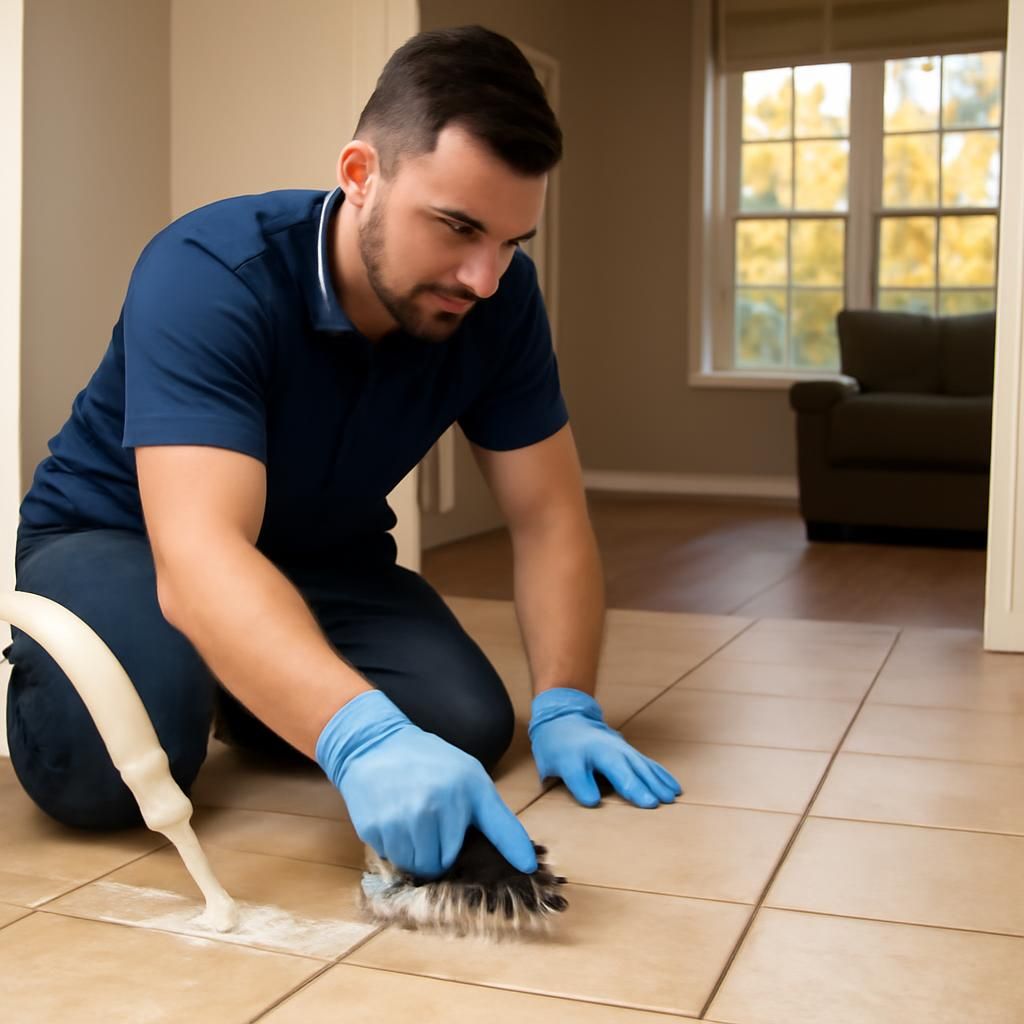
Groutastic provides tile and grout cleaning, grout repair, and shower caulking services across Long Island. A professional assessment — not a guess — is the right starting point for any repair that involves a shower, a large floor area, or grout damage you can't fully trace to a visible cause. Professional grout repair, tile cleaning, and caulking replacement are complementary services that are most cost-effective when addressed together in a single visit.
Frequently Asked Questions: Grout Repair Cost on Long Island
How long does professional grout repair last?
Professional grout repair using quality materials and proper prep typically lasts 5–10 years or more in a dry area, and 3–7 years in a shower with proper maintenance and annual sealing. DIY repairs on showers often fail within 1–2 years if the original grout wasn't fully removed.
Is grout repair covered by homeowners insurance?
Standard homeowners insurance policies do not cover grout repair as routine maintenance. If a covered water event — like a burst pipe — caused damage that necessitates grout repair, some costs may be recoverable. Check your policy specifics with your insurer.
How do I get an accurate estimate for grout repair on Long Island?
Contact a local tile specialist directly for an in-person or photo-based assessment. Online calculators using national averages won't account for Long Island labor rates, your specific tile type, or the actual condition of the substrate beneath your grout.
Can grout be repaired without replacing the tile?
Yes — in the vast majority of cases, grout can be removed and replaced without disturbing the tile. The exception is when tiles are cracked, hollow, or resting on a failed substrate, in which case some tiles may need to be removed to fix the underlying problem before new grout is applied.
What's the difference between grout repair and grout cleaning?
Grout cleaning removes surface stains, mold, and discoloration from intact grout using professional-grade cleaners and steam or rotary equipment. Grout repair involves physically removing damaged grout and replacing it with new material. Many homes benefit from cleaning first — sometimes what looks like damaged grout is actually heavily stained grout that cleans up beautifully. To understand what professional cleaning involves and what it costs locally, see our tile and grout cleaning cost guide for Long Island.
Conclusion: Budget Smart, Repair Right
Grout repair cost on Long Island sits above national averages for good reason — local labor rates, coastal climate demands, and the age of the region's housing stock all factor in. For most homeowners, a professional repair in the $200–$600 range is money well spent compared to the water damage and mold remediation costs that result from neglected grout. If your grout is cracked, crumbling, or discolored, don't wait. Contact Groutastic for a professional evaluation of your tile and grout — and get a repair that lasts.
This article is based on real published content from Groutastic, cites authoritative sources, and is reviewed before publication.
Comments