
Tile Restoration Brookhaven NY: What Homeowners Ask

By Josh Kaplan
Key Takeaways
Tile restoration costs in Brookhaven typically run per square foot, with minimum trip fees that reflect Suffolk County travel distances.
Grout cleaning and sealing are separate services — doing both in one visit saves money and extends results by years.
Shower tile restoration is the most-requested service; coastal humidity accelerates grout breakdown faster than in inland areas.
Professional sealing after restoration can protect tile for 12–18 months, far longer than consumer-grade sealers applied without prior deep cleaning.
Always get at least two itemized written quotes before booking — pricing structures vary significantly between local contractors.
Tile Restoration in Brookhaven, NY: Real Answers to the Questions Homeowners Actually Ask
Tile restoration is the process of returning existing tile and grout to a clean, sealed, and structurally sound condition without full replacement — and for Brookhaven, NY homeowners, it is almost always the more cost-effective and faster alternative to ripping out and reinstalling tile. Whether you have a discolored kitchen backsplash, a shower that smells musty, or grout lines that no longer look white, this guide answers the specific questions local homeowners are asking before they book a service.
What Does Tile Restoration Actually Include?
Tile restoration is not a single service — it is a sequence of targeted treatments applied based on the condition of your surfaces. A full restoration typically moves through several stages, and understanding what each one does helps you know what you're paying for and whether a contractor's quote is complete.
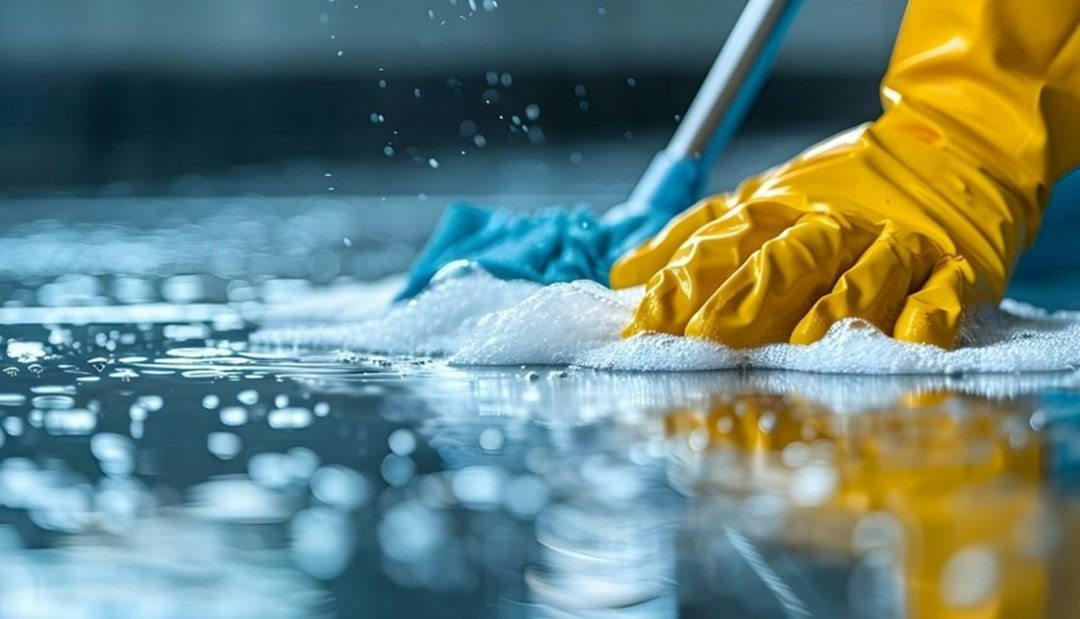
Deep cleaning: High-pressure steam or rotary machine cleaning to remove years of embedded soil, soap scum, calcium deposits, and mold from both tile faces and grout lines.
Grout repair or recoloring: Damaged or missing grout is repointed; heavily stained grout that can't be cleaned back to a neutral color is recolored with a penetrating grout colorant (ColorSeal is one widely used professional product in this category).
Caulk replacement: Silicone or sanded caulk in corners, along tub ledges, and at floor-to-wall transitions is removed and replaced — this is critical in shower restoration because failed caulk is the primary route for water intrusion behind tiles.
Sealing: A penetrating impregnator sealer is applied to grout lines (and sometimes unpolished stone tile) to slow future staining and moisture absorption.
Tile restoration does NOT typically include re-setting loose or cracked tiles (that is a separate tile repair service), nor does it cover structural substrate issues behind the wall. If tiles are hollow-sounding when tapped, mention that when you call — a good technician will probe for it during a walkthrough.
How Much Does Tile Restoration Cost in Brookhaven?
Tile restoration pricing in Brookhaven, NY is almost always structured around square footage, with a minimum charge that reflects local operating costs in Suffolk County — including travel time to service communities across the town, which spans from Port Jefferson down through Quogue and out toward the East End.
Here is how local quotes are typically broken down:
Service Component | Typical Pricing Basis | Notes for Suffolk County Area |
Grout & tile deep cleaning | Per square foot | Minimum job fees typically apply regardless of size |
Grout recoloring / ColorSeal | Per linear foot or per sq ft | Add-on; priced separately from cleaning |
Caulk replacement | Per linear foot | Often a flat add-on per shower or tub surround |
Sealing | Bundled or per sq ft | Cheaper per sq ft when done same visit as cleaning |
Trip / mobilization fee | Flat fee | More likely on smaller jobs or remote parts of the town |
One non-obvious local reality: Brookhaven is one of the largest towns by land area in New York State, so contractors working out of western Suffolk will sometimes apply trip fees for jobs in eastern sections of the town. Always confirm whether travel is included when comparing quotes from different companies. Two quotes at the same per-square-foot rate can be meaningfully different once trip fees and minimum charges are factored in — get fully itemized written estimates before agreeing to anything.
Is Shower Restoration Worth It, or Should I Just Re-Tile?
Shower restoration is worth it in the majority of cases where the tile itself is intact and the substrate behind it is dry and sound. The primary driver of re-tiling instead of restoring is water damage to the substrate — cement board or drywall behind the tile that has been saturated by failed caulk or grout.
This is especially relevant for Brookhaven homeowners because coastal humidity and seasonal moisture swings accelerate grout degradation in showers faster than in drier inland climates. Grout is a cement-based material; repeated wetting and drying cycles cause it to become porous, then cracked. Once it cracks, water follows. The fix — when caught early — is restoration. When caught late, it is demolition and rebuilding.
A professional can diagnose this quickly: tapping tiles with a rubber mallet reveals a hollow sound if the adhesive bond has failed behind the tile face. If fewer than 10–15% of tiles sound hollow and no structural water damage is present, restoration is almost always the right call both financially and practically. It can typically be completed in one day, with the shower usable again within 24 hours after sealing cures.
What Are the Questions Brookhaven Homeowners Most Often Ask Before Booking?
FAQ: Common Tile and Grout Restoration Questions
How long does professional grout sealing last?
A professionally applied penetrating sealer — applied after a thorough deep clean that opens the grout pores — typically lasts 12 to 18 months in high-traffic or wet areas like showers, and longer in drier areas like kitchen floors. Consumer-grade sealers purchased off a shelf and applied without prior professional cleaning often fail much sooner because the sealer sits on top of residue rather than penetrating the grout. The preparation step is what makes professional sealing worth the cost.
Can grout be cleaned without replacing it?
Yes — in most cases, grout can be cleaned rather than replaced. Professional hot-water extraction or rotary scrubbing with alkaline cleaners removes embedded soils, mold, and soap scum that household scrubbing cannot reach. Grout replacement (repointing) is only necessary when grout is physically crumbling, deeply cracked, or missing. Grout recoloring is an intermediate option: the existing grout is cleaned and then coated with a pigmented penetrating sealer that locks in a uniform new color — useful when grout is structurally sound but stained beyond what cleaning can reverse.
What tile surfaces can be professionally restored?
Ceramic, porcelain, natural stone (marble, travertine, slate), quarry tile, and glass mosaic tile can all be professionally cleaned and restored, but each material requires a different approach. Travertine and marble are acid-sensitive — any cleaner containing vinegar, citrus, or hydrochloric acid will etch the surface permanently. A professional working with natural stone should use pH-neutral enzymatic cleaners and stone-specific sealers, not the same products used on ceramic. Always confirm that a contractor has experience with your specific tile material before booking.
How do I compare local tile restoration estimates fairly?
Ask every contractor for a written, itemized quote that lists: square footage being treated, specific services included (cleaning, sealing, recoloring, caulk replacement), product names for any sealers or colorants being used, whether a trip or mobilization fee applies, and the expected dry/cure time before normal use. An estimate that simply says "$X for grout cleaning" without specifying what that includes is not a quote you can compare accurately against another. Three-line quotes and detailed four-section breakdowns are not the same thing, even if the total number looks similar.
How often should tile floors be professionally cleaned?
For most residential kitchens and bathroom floors, a professional deep clean every 12 to 18 months keeps grout from reaching a point where restoration becomes difficult or expensive. High-traffic entries or commercial spaces — a common situation across Brookhaven's mixed residential and commercial properties — may benefit from more frequent service. Sealing after each professional cleaning resets the clock on staining resistance.
Will tile restoration fix cracked tiles?
Tile restoration addresses grout and surface cleaning; it does not fix cracked or chipped tile faces. Cracked tiles require individual tile replacement, which is a separate repair service. A restoration visit can be combined with tile replacement in the same appointment if the scope is identified in advance — this is worth discussing when you get your quote, especially in older homes where matching replacement tiles may need to be sourced.
What to Avoid When Hiring a Tile Restoration Contractor in Suffolk County
Avoid contractors who won't inspect the surface before quoting. A legitimate tile restoration professional needs to see the tile type, grout condition, and square footage before giving an accurate price. Phone-only quotes without a site visit or at minimum photo review are a red flag.
Don't use acid-based cleaners on natural stone yourself before a pro arrives. Products containing muriatic acid (common in hardware store grout cleaners) will permanently etch marble, travertine, and limestone surfaces. Once etched, the only fix is professional stone honing — a more expensive process than the original restoration would have been.
Avoid bundling tile restoration with unrelated services under a single line-item price. This makes it impossible to evaluate whether the tile portion of the quote is competitive.
Don't skip the caulk replacement step to save money in a shower. Grout restoration in a shower without replacing failed caulk at the floor-to-wall and wall corner joints will allow water infiltration to continue — undermining the entire restoration within months.
When Should You Call Groutastic Instead of DIYing It?
DIY grout scrubbing with a stiff brush and oxygen bleach works acceptably for lightly soiled grout in low-moisture areas. It is not appropriate for: shower tile restoration where mold has penetrated below the grout surface, any natural stone surface (wrong cleaners cause irreversible damage), heavily stained grout that is more than a year overdue for cleaning, or any situation where grout is crumbling or caulk is visibly separating from tile.
Groutastic provides residential and commercial surface cleaning and restoration services — including tile and grout cleaning, grout recoloring, caulk replacement, and sealing — across the Brookhaven area and surrounding Suffolk County communities. For a surface assessment and a fully itemized local quote, reaching out directly is the fastest way to understand exactly what your specific tile needs and what it will realistically cost.
Conclusion: Get the Right Information Before You Book
Tile restoration in Brookhaven, NY is a well-defined service with clear pricing structures, specific material considerations, and honest trade-offs between restoration and replacement. The homeowners who get the best outcomes are the ones who ask the right questions upfront — about what's included, how local trip fees work, what sealer is being used, and whether their tile material requires a specialized approach. Use the questions and comparisons in this guide as your checklist before committing to any contractor, and you'll be in a strong position to make a confident, well-informed decision for your home.
This article is based on real published content from Groutastic, cites authoritative sources, and is reviewed before publication.
Comments