
Summer Grout Repair in Baywood, NY: A Seasonal Guide
Updated: 4 days ago

By Josh Kaplan
Key Takeaways
Summer heat and humidity on Long Island accelerate grout cracking — address repairs before fall moisture sets in.
Job size, grout condition, and tile material are the biggest cost factors; always get itemized quotes.
Silicone caulk, not grout, belongs in shower corners and control joints — a common and costly mix-up.
Professional grout repair is worth it when cracks reach the substrate or water damage is already visible.
Ask any contractor whether the quote includes cleaning, sealing, and color-matching before you book.
What Is Summer Grout Repair — and Why Does Timing Matter?
Summer grout repair is the process of removing damaged, cracked, or discolored grout and replacing it with fresh material during warm-weather months — conditions that are genuinely favorable for curing, adhesion, and color-matching. For homeowners in Baywood, NY, summer is the most practical window for tackling tile repairs in showers, kitchens, outdoor patios, and pool surrounds, because Long Island's warm temperatures allow grout and caulk to cure fully without the cold-weather complications that cause premature cracking.
Why Summer Is Both the Best and Riskiest Season for Grout Work
Summer creates ideal conditions for grout repair — but Long Island's specific climate introduces a wrinkle that most generic grout guides overlook. Suffolk County summers bring stretches of high humidity, particularly in coastal communities like Baywood near the Great South Bay. Excess ambient moisture during application can extend cure times and, in extreme cases, weaken the grout-to-tile bond if the surface isn't properly prepped and dried beforehand.
The counterintuitive reality: a hot, sunny July day in the mid-80s with low humidity is better for grout work than a muggy 78°F afternoon after a rainstorm. Professional grout technicians know to check the dew point, not just the thermometer, before starting a job. If you're hiring a contractor, ask them how they handle humidity — a blank stare is a red flag.
That said, summer still wins over winter for several concrete reasons:
Faster cure times: Most Portland cement-based grouts reach workable hardness in 24–72 hours at 70°F+, compared to 3–5 days in cooler temperatures.
Better silicone caulk adhesion: Silicone, which belongs in shower corners and control joints (not grout), requires temperatures above 40°F to cure properly — summer makes this a non-issue.
Outdoor tile access: Pool decks, patio pavers, and outdoor kitchen tiles are accessible and dry during summer, making this the only practical season for those repairs.
Visibility of damage: Summer use of pools and outdoor showers exposes grout failures that stayed hidden all winter.
What Actually Drives the Cost of Grout Repair in Baywood, NY?
Grout repair cost is determined by a combination of job-specific variables — not a single square-foot rate. Understanding these factors helps you compare quotes fairly and avoid paying for work you don't need, or being underquoted for work you do. Here are the real cost drivers:
1. Surface Area and Job Scope
The total square footage of tile being repaired is the most straightforward variable. A small shower niche with a few cracked grout lines costs significantly less than a full master bathroom floor and shower surround. Some contractors price by the linear foot of grout joint (common for targeted crack repairs), while others use a per-square-foot rate for full regrout jobs — make sure quotes specify which method is being used so you can compare apples to apples.
2. Current Condition of the Grout
This is where quotes diverge most dramatically. Hairline surface cracks that haven't compromised the bond are quick to address. But grout that has fully delaminated, grown mold into the substrate, or allowed water to penetrate behind the tile wall requires demolition, drying time, and potentially new backer board — all of which add labor and materials. In coastal Suffolk County, where salt air and humidity are constants, grout deterioration that looks surface-level sometimes runs deeper than it appears.
3. Tile Material and Joint Width
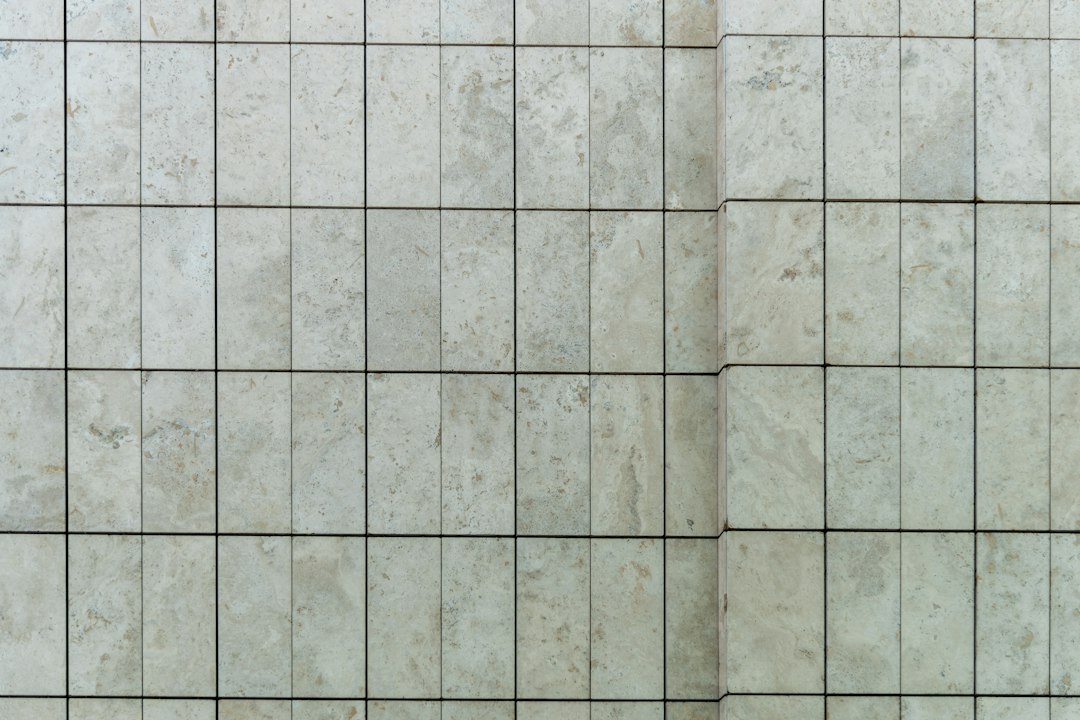
Ceramic tile is forgiving; natural stone (travertine, slate, marble) is not. Natural stone requires unsanded or specialty grout, specific cleaning products that won't etch the surface, and a lighter hand during removal. Large-format tiles with narrow grout joints (a popular modern look) require precision removal tools like an oscillating multi-tool with a grout blade rather than a simple grout saw — more time, more skill, higher cost. Glass tile adds another layer of complexity because aggressive removal can chip the tile face.
4. Prep Work Required
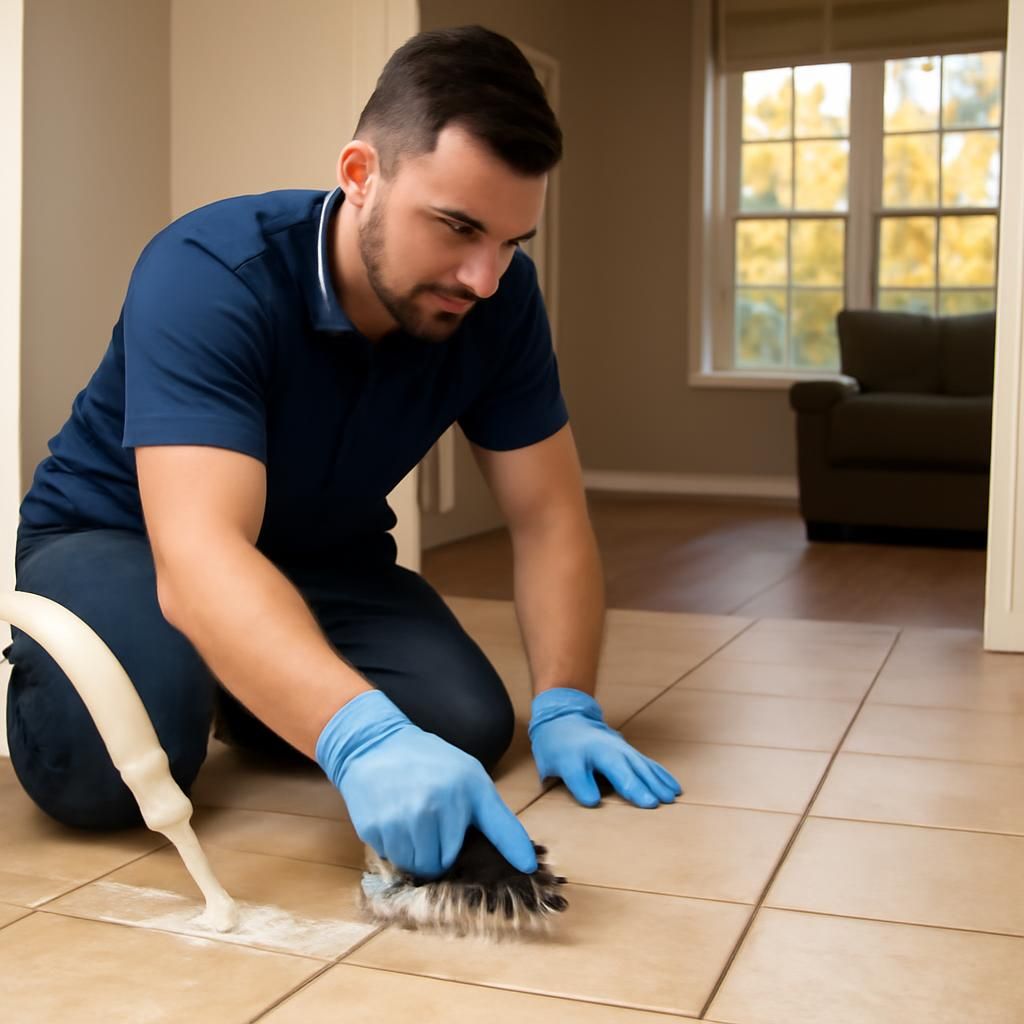
Professional grout repair always starts with cleaning — you cannot properly assess or repair grout that's coated in soap scum, mildew, or old sealer. If a contractor skips this step or doesn't include it in the quote, the repair is unlikely to last. Ask explicitly: "Does your quote include pre-cleaning and surface prep?"
5. Color Matching
Replacing only a section of grout in a large tiled area means the new grout must match the aged original. This is harder than it sounds. Experienced contractors use grout colorant systems (such as those in the Mapei Ultracolor Plus FA or Laticrete SpectraLOCK product lines) or can custom-tint grout to approximate the existing shade. Poor color matching is one of the most common complaints in grout repair — ask to see examples or references before committing.
6. Sealing
Most cement-based grout requires sealing after repair to resist staining and moisture penetration. Some quotes include this; many do not. A penetrating sealer like Aqua Mix Sealer's Choice Gold is a concrete named example of a product that bonds into the grout pores rather than sitting on top — it's appropriate for most residential tile but not for epoxy grout, which is inherently non-porous. Clarify whether sealing is included and what product will be used.
DIY vs. Professional: When Should You Call a Pro?
DIY grout repair is genuinely viable for small, contained jobs — a single cracked line on a kitchen backsplash, a patch of discolored floor grout, or recaulking a shower corner. The tools are inexpensive (a grout saw or oscillating tool, new grout, a float, and a bucket), and the skill ceiling is low for simple repairs.
However, professional grout repair becomes the right call in these specific situations:
Cracks run through multiple tiles or follow a pattern (this suggests substrate movement, not just surface wear).
There is any visible mold, dark staining at the base of the wall, or soft drywall behind tile — all signs of water infiltration.
The tile itself is loose or sounds hollow when tapped — grout repair alone won't fix a failed tile bond.
The job involves natural stone tile where the wrong chemical or tool will permanently damage the surface.
The shower or bathroom is a primary household bathroom and downtime needs to be minimized with a guaranteed result.
Groutastic offers professional grout repair, tile and grout cleaning, and shower caulking services for homeowners across the Baywood area — including the surrounding communities of Southampton, Sag Harbor, and Shoreham.
The Grout vs. Caulk Mistake That Costs Homeowners Money
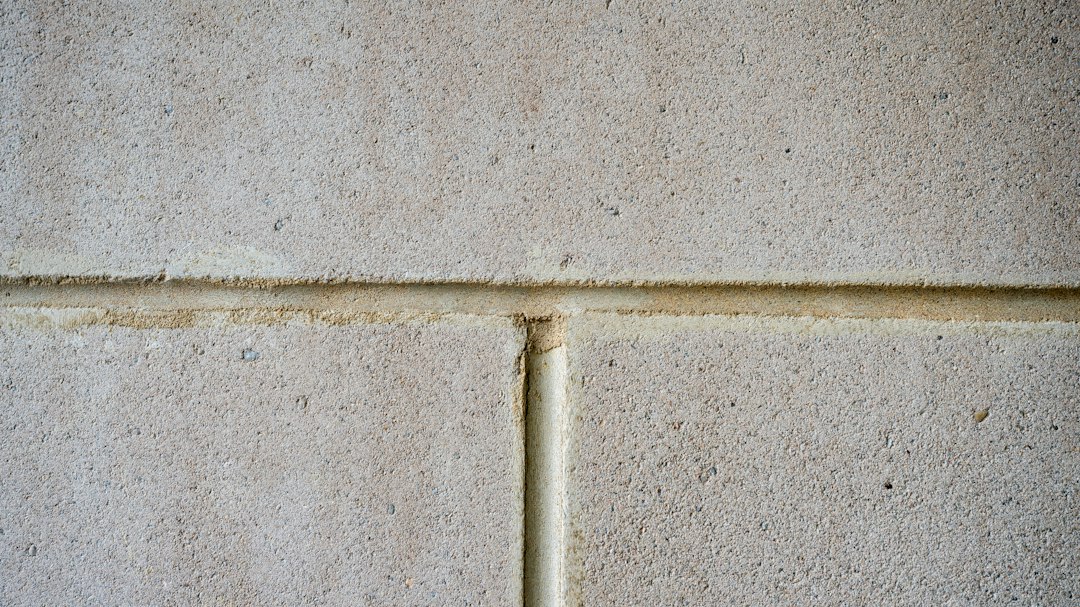
Have shower corners and transitions assessed as movement joints rather than assuming every gap takes grout. TCNA’s movement-joint guidance explains the need to accommodate expansion and contraction. Choose a sealant compatible with the surfaces and wet-area application; no fixed timetable guarantees when an unsuitable joint will crack.
What to Avoid: Safety and Damage Risks in Summer Grout Repair
Summer grout work comes with specific hazards that are easy to prevent once you know them:
Acid-based cleaners on natural stone: Products containing muriatic or phosphoric acid (common in "grout haze removers") will etch marble, travertine, and limestone instantly. Use a pH-neutral cleaner on stone tile always.
Applying grout over existing grout without removal: Layering new grout on top of old without removing the damaged material is a common shortcut that fails within one season. The old grout must be removed to at least half the joint depth for a proper bond.
Sealing too soon: Most cement grouts need a full 72 hours (minimum) before sealing. Sealing too early traps moisture inside the joint and causes efflorescence — the white powdery staining that appears weeks later.
Using bleach repeatedly on colored grout: Bleach-based cleaners lighten pigmented grout over time. For maintenance cleaning in Baywood homes with colored grout, an oxygen-based cleaner is safer.
Frequently Asked Questions About Summer Grout Repair
How do I know if my grout needs repair or full replacement?
Grout that is cracked but still bonded to both tiles on either side of the joint can often be spot-repaired. Grout that is crumbling, fully detached, or growing mold deeper than the surface should be fully removed and replaced. When in doubt, a professional inspection will tell you which applies.
Can I repair grout in an outdoor shower or pool area in summer?
Yes — summer is actually the ideal time for outdoor grout repair. The surface must be fully dry before work begins, so wait at least 48 hours after rain. Pool deck grout repairs should use a polymer-modified grout rated for wet, freeze-thaw environments.
How long will repaired grout last?
Properly repaired and sealed cement grout in a shower typically lasts 8–15 years before needing attention again, depending on cleaning habits and water exposure. Epoxy grout lasts longer and requires no sealing but is significantly harder to install and costs more.
What questions should I ask a grout repair contractor before booking?
Ask: Does the quote include cleaning, color-matching, and sealing? What product will you use for the grout and sealer? How do you handle humidity on application day? Do you replace caulk in corners or regrout them? Can I see before-and-after photos of similar jobs?
Getting the Right Quote for Grout Repair in Baywood, NY
A fair, complete quote for summer grout repair in Baywood, NY should be itemized — listing prep/cleaning, removal method, materials specified by brand and type, application, and sealing as separate line items or clearly included in a described scope. Avoid quotes that list only a single lump-sum number with no scope description; you have no way to verify what you're getting or compare it against another bid. Two quotes for "grout repair" that look similar on paper can reflect entirely different scopes of work.
Summer is the right season to act — grout failures left through fall and winter allow water to penetrate, freeze, expand, and cause damage that's far more expensive to fix than the original repair. Whether your project is a master shower in Baywood, a patio in Southampton, or an outdoor kitchen in Sag Harbor, addressing grout damage now protects your tile investment before the cold returns.
Ready to get it done right? Contact Groutastic for professional tile and grout cleaning, grout repair, and shower caulking across the Baywood area — and ask for a fully itemized quote so you know exactly what you're getting.
This article is based on real published content from Groutastic, cites authoritative sources, and is reviewed before publication.
Comments