
Paver Sealing Cost on Long Island: 2026 Prices

By Josh Kaplan
Key Takeaways
Long Island paver sealing costs $0.75–$2.50 per sq ft, or $450–$1,800+ for a typical driveway.
Surface size, paver type, sealer quality, and prep work are the biggest cost drivers.
Sealing every 2–3 years protects pavers and prevents costly repairs or full replacement.
DIY sealing saves on labor but risks improper application, streaking, and voided warranties.
Grout and joint sand restoration often adds $150–$400 to the total project cost on Long Island.
What Does Paver Sealing Cost on Long Island in 2026?
Paver sealing cost on Long Island ranges from $0.75 to $2.50 per square foot in 2026, with most homeowners spending between $450 and $1,800 for a standard driveway or patio. The exact price depends on the size of the surface, the type of sealer used, how much prep work is required, and which contractor you hire. Understanding these variables helps you budget accurately and avoid overpaying.
Long Island Paver Sealing Cost Breakdown by Surface Type
Different surfaces on your property carry different labor and material demands. Here is what Long Island homeowners typically pay in 2026 based on surface type:
Surface Type | Average Size (sq ft) | Estimated Cost Range |
Driveway (standard) | 600–900 sq ft | $600–$1,800 |
Patio (small) | 200–400 sq ft | $200–$800 |
Patio (large) | 400–800 sq ft | $400–$1,500 |
Walkway | 100–250 sq ft | $100–$500 |
Pool Deck | 500–1,000 sq ft | $500–$2,000 |
According to Angi, the national average for professional paver sealing sits around $1,000–$1,300 for a mid-sized driveway — Long Island prices trend toward the higher end of national ranges due to regional labor costs and contractor demand on the Island.
What Factors Drive Paver Sealing Costs on Long Island?
Knowing what drives your quote up or down lets you ask smarter questions when getting estimates. These are the six most significant cost variables:
1. Total Square Footage
Labor and material costs scale directly with surface area. Most Long Island contractors price paver sealing on a per-square-foot basis. Larger jobs often attract a slightly lower per-square-foot rate due to efficiency, while small jobs under 200 square feet may carry a minimum service charge of $150–$300.
2. Paver Material
Concrete pavers, natural stone (bluestone, travertine, flagstone), and brick each require different sealers and application techniques. Natural stone sealers are typically more expensive per gallon and require a penetrating rather than film-forming formula. Expect to pay 15–30% more for natural stone sealing versus standard concrete pavers.
3. Type of Sealer
Sealer choice is one of the biggest cost levers in the project. Contractors generally offer two main categories:
Penetrating sealers — soak into the paver surface, invisible finish, ideal for natural stone, typically $0.25–$0.60 per sq ft in materials.
Film-forming sealers — sit on top of the surface, available in matte, satin, or wet-look gloss finishes, typically $0.15–$0.50 per sq ft in materials.
Wet-look and high-gloss film-forming sealers are the most popular choice for Long Island driveways and patios. They tend to cost slightly more per gallon but produce the visual enhancement most homeowners want. For a deeper look at the full sealing process and what each step involves, see this step-by-step guide to sealing pavers.
4. Surface Preparation Requirements
According to HomeAdvisor, surface prep — including pressure washing, efflorescence removal, and stain treatment — can add $100–$400 to the overall project cost. Pavers that have not been sealed or maintained in 5+ years will almost always require more aggressive prep, driving up the final bill.
5. Joint Sand and Grout Restoration
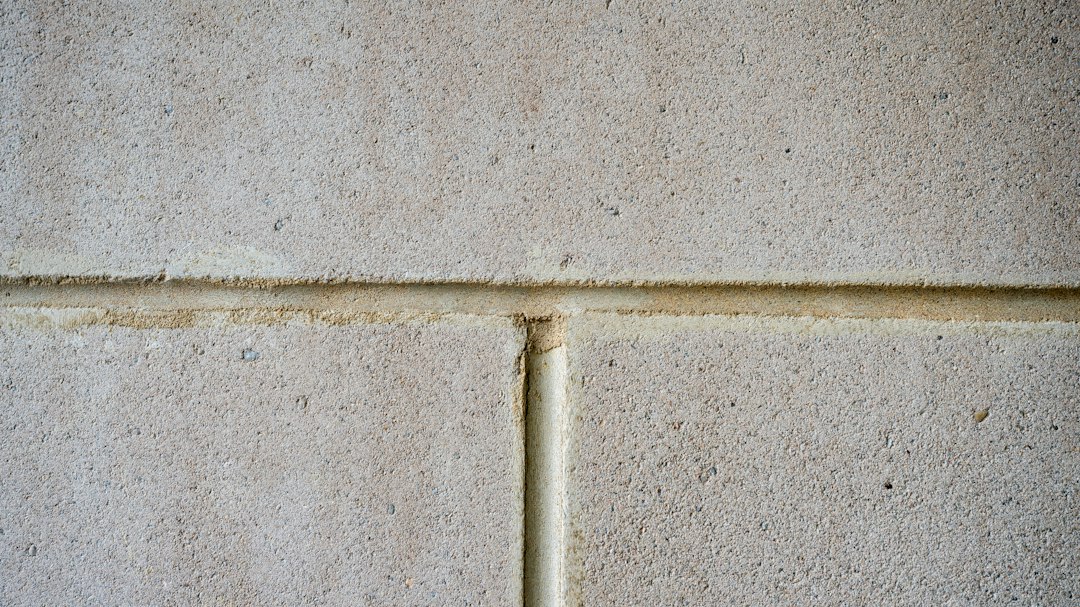
Polymeric joint sand often needs to be replenished or replaced before a new sealer coat is applied. On Long Island, contractors typically charge $150–$400 for joint sand replenishment depending on the surface area and how badly the existing sand has eroded. If you are weighing your options on joint sand, understanding the differences between polymeric sand and regular sand for pavers can help you make the right call with your contractor. This step is not optional — sealing over compromised joints locks in the problem and accelerates failure.
6. Number of Coats
Most professional paver sealing jobs require two coats for adequate protection and appearance. A second coat adds 20–35% to material costs but significantly extends the life of the seal, typically doubling the protection period from 12–18 months (one coat) to 2–3 years (two coats).
Is DIY Paver Sealing Worth It on Long Island?
DIY paver sealing is worth it only when the surface is small, recently installed, and in good condition with minimal staining or joint erosion. For most Long Island homeowners dealing with driveways, aged patios, or pool decks, the risks of DIY outweigh the labor savings.
A typical DIY paver sealing project on Long Island breaks down like this:
Sealer (2–3 gallons for 400 sq ft): $60–$150
Pressure washer rental: $60–$100/day
Roller, brushes, painter's tape, safety gear: $30–$60
Total DIY cost estimate: $150–$310
Compared to a professional quote of $400–$800 for the same surface, DIY saves $250–$500 — but that saving evaporates quickly if the sealer is applied over damp pavers (causing milky hazing), applied too thickly (causing peeling), or if the wrong product is used on natural stone (causing permanent discoloration).
According to Bob Vila, proper paver sealing requires thorough surface drying after pressure washing — typically 24–48 hours — before any sealer is applied. This step is one of the most commonly skipped in DIY projects and is the leading cause of sealer failure.
What to Avoid When Sealing Pavers on Long Island
Several mistakes can cause costly damage or require complete re-stripping and re-application:
Sealing wet pavers: Moisture trapped beneath the sealer causes a white, milky haze that is extremely difficult to reverse. Always wait a full 24–48 hours after pressure washing, and do not seal before rain. This white residue is a form of efflorescence on patio pavers — a mineral deposit issue that should be fully resolved before any sealer is applied.
Using a film-forming sealer on natural stone: Travertine and bluestone are porous and require penetrating sealers. Film-forming products trap moisture inside natural stone, causing spalling and cracking over time.
Skipping polymeric sand replenishment: Sealing over eroded joints does not stabilize them. Weed growth, ant activity, and joint erosion will continue beneath the sealer and push it up from below.
Applying sealer in direct summer sun: High surface temperatures cause the sealer to dry too quickly, leaving lap marks and an uneven sheen. Schedule sealing for early morning or overcast days.
Over-applying sealer: More product does not mean more protection. Thick application traps solvent vapors, resulting in bubbling, peeling, and a slippery surface — a genuine safety hazard on pool decks.
Using an incompatible sealer over an existing coat: Solvent-based sealers applied over water-based coatings (or vice versa) will delaminate and peel within weeks. Always test for compatibility or strip the existing sealer first.
When Should You Hire a Professional for Paver Sealing?
Professional paver sealing is the right choice when the surface is large (over 400 sq ft), when natural stone is involved, when significant staining or joint damage is present, or when you want guaranteed results on a high-visibility area like a front driveway.
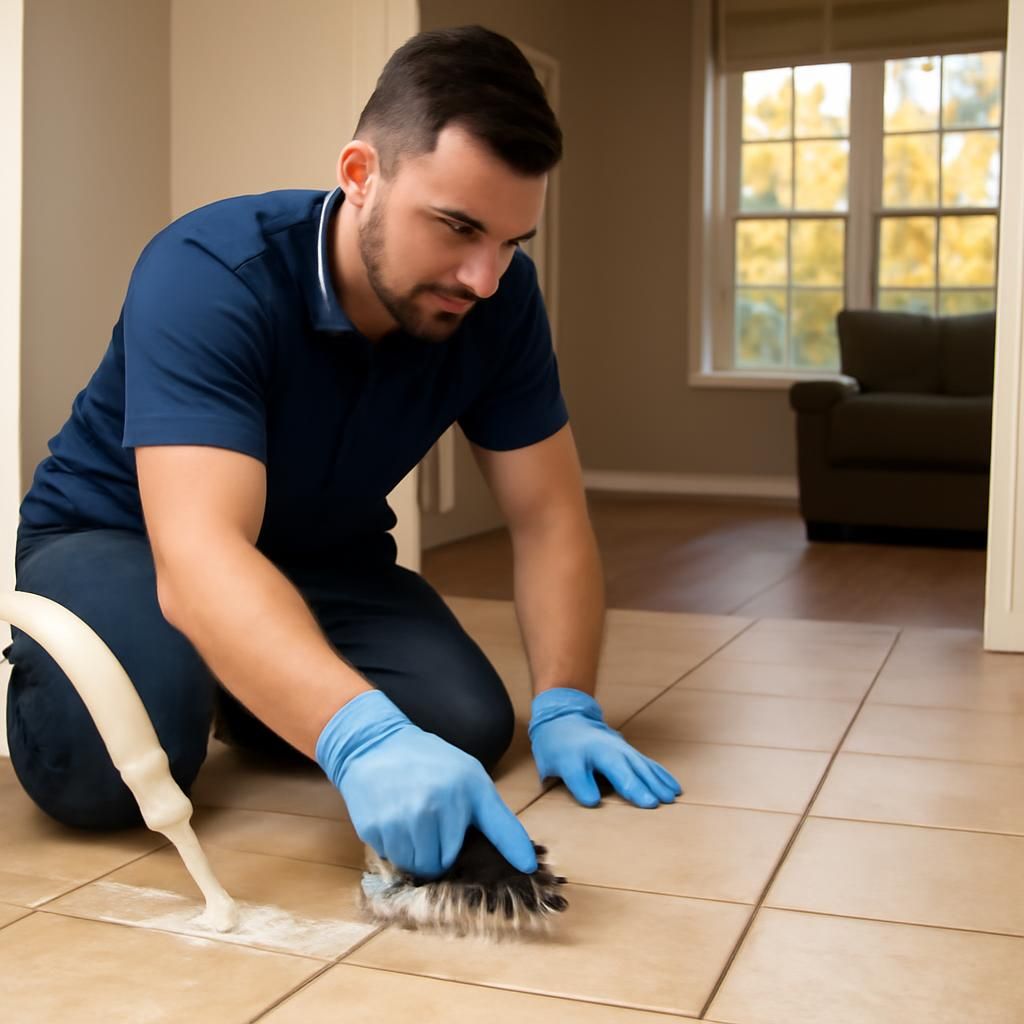
On Long Island, professional contractors bring commercial-grade pressure washing equipment, industrial sealers not available in retail stores, and the experience to identify issues — such as settling, efflorescence, or cracked pavers — before they seal them in permanently. Groutastic provides professional tile and grout cleaning, grout repair, and shower caulking services; for homeowners whose paver and tile surfaces share grout joints or where tile meets paver in outdoor living spaces, combining grout repair with paver maintenance in a single visit maximizes value and minimizes disruption.
Get at least three written estimates from Long Island contractors before committing. Ask each contractor specifically:
Does the quote include pressure washing and surface prep?
How many coats of sealer are included?
Does it include polymeric sand replenishment for eroded joints?
What brand and type of sealer will be used?
Is there a warranty on labor or the sealer itself?
Frequently Asked Questions: Paver Sealing Cost on Long Island
How often should pavers be sealed on Long Island?
Most Long Island contractors recommend re-sealing every 2–3 years. The Island's freeze-thaw winter cycles, salt air near the coast, and hot humid summers accelerate sealer breakdown faster than in milder climates. High-traffic surfaces like driveways may need re-sealing every 18–24 months. The patio paver cleaning and sealing seasonal guide breaks down the best times of year to schedule each maintenance step on Long Island.
Does paver sealing increase home value on Long Island?
Sealed pavers improve curb appeal and protect a significant hardscape investment, which supports resale value — particularly for Long Island homes with prominent driveway or patio features. While no universal dollar figure applies, well-maintained hardscape consistently receives positive attention during home inspections and buyer walkthroughs.
Can you seal pavers in the winter on Long Island?
No. Most paver sealers require ambient temperatures above 50°F during application and for at least 24 hours after. Long Island winters regularly drop below that threshold from December through March. Schedule paver sealing between late April and October for best results.
How long does paver sealing take to dry?
Light foot traffic is typically safe after 4–6 hours. Vehicle traffic should be avoided for 24–72 hours depending on the sealer formulation. Full cure — where the sealer reaches maximum hardness and chemical resistance — takes 5–7 days.
Does paver sealing include grout or joint repair?
Not automatically. Joint sand replenishment and any cracked or missing grout between pavers are typically quoted as separate line items. If your pavers meet tile surfaces — such as at an outdoor kitchen or pool surround — grout repair and shower caulking replacement in connected indoor spaces is best handled at the same time to prevent water intrusion at transition points.
Conclusion: Getting the Best Value for Paver Sealing on Long Island
Paver sealing cost on Long Island in 2026 runs from $0.75 to $2.50 per square foot, with most homeowners budgeting $450–$1,800 depending on surface size, paver material, sealer type, and prep work required. The investment is well worth it: a quality seal protects against freeze-thaw damage, UV fading, oil staining, and weed intrusion — extending the life of your hardscape by years and preserving your home's curb appeal. Whether you go DIY for a small walkway or hire a professional for your full driveway and patio system, use the cost data and checklist questions in this article to get an accurate, apples-to-apples estimate. For surfaces where tile, grout, or caulking intersects with your outdoor paver project, addressing grout repair and caulking at the same time prevents water damage and saves a second mobilization cost.
This article is based on real published content from Groutastic, cites authoritative sources, and is reviewed before publication.
Comments