
Natural Stone vs Tile Sealing: Key Differences Explained

By Josh Kaplan
Key Takeaways
Natural stone is highly porous and almost always needs sealing; most ceramic and porcelain tiles do not.
Using the wrong sealer type on stone (e.g., topical on marble) can trap moisture and cause permanent damage.
Grout lines between sealed tiles still need their own sealer regardless of whether the tile itself requires one.
Sealing frequency differs: natural stone needs resealing every 1–3 years; sealed tile grout every 1–2 years.
Always test absorbency with a water droplet before choosing a sealer — the tile or stone will tell you what it needs.
Natural Stone Sealing vs Tile Sealing: What's the Difference?
Natural stone sealing and tile sealing are two distinct processes with different goals, products, and urgency levels. Natural stone — marble, travertine, slate, granite — is a porous material that absorbs liquids readily and almost always requires a penetrating sealer to prevent staining and moisture damage. Most ceramic and porcelain tiles, by contrast, are dense and vitrified, making sealer unnecessary on the tile face itself, though the grout joints between them still need protection. Knowing which surface you're dealing with — and which type of sealer applies — saves you time, money, and avoids permanent damage.
Why Does Porosity Make Such a Big Difference?
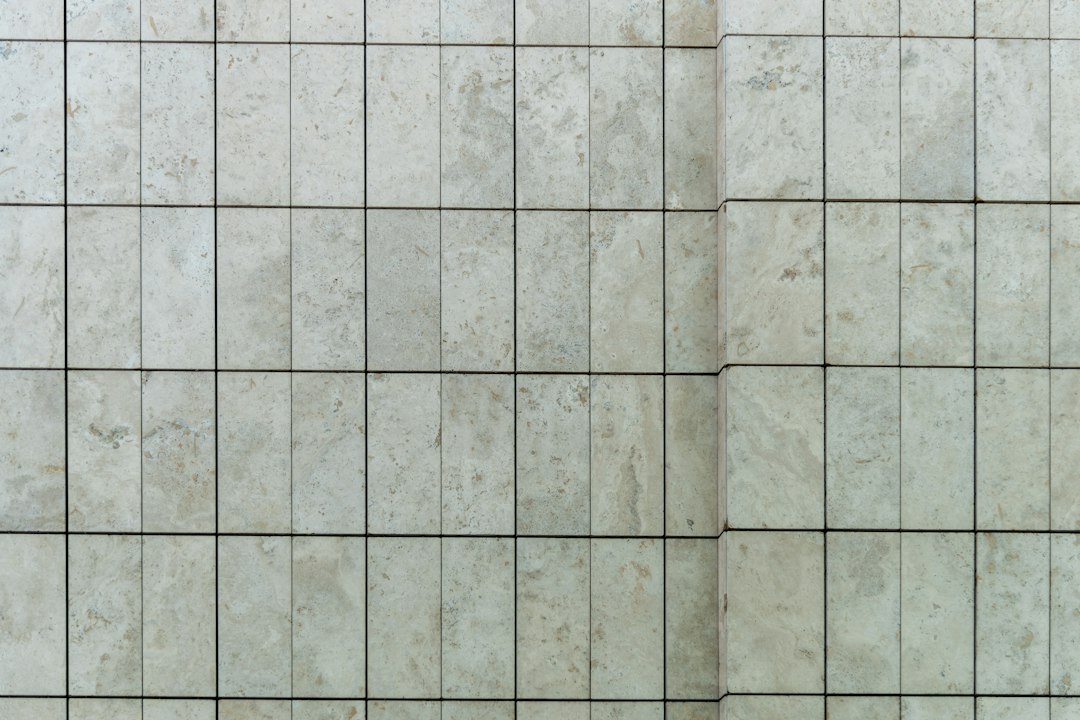
Porosity is the core reason natural stone sealing and tile sealing are handled so differently. According to Wikipedia, natural stones like limestone and travertine have an open crystalline or sedimentary structure filled with microscopic pores, voids, and capillaries that allow liquids to penetrate below the surface. Granite is less porous than marble or travertine, but still absorbs moisture over time, especially around grout lines and cut edges.
Ceramic tile, on the other hand, is fired at high temperatures and coated with a vitreous glaze that essentially seals the tile during manufacturing. Porcelain tile goes even further — it is fired at higher temperatures (typically above 1200°C) to achieve water absorption rates below 0.5%, making it one of the densest flooring materials available. The result: liquids bead and roll off the tile face without penetrating. The sealing challenge on tiled surfaces is almost entirely about the grout, not the tile itself.
The Water Drop Test: Let Your Surface Tell You What It Needs
Before purchasing any sealer, place a few drops of water on the surface and wait 10–15 minutes. If the water soaks in and darkens the surface, sealing is needed. If it beads up and wipes away cleanly, the surface is either already sealed or non-porous. This simple test works on both stone and tile and removes all the guesswork from the decision.
What Types of Sealers Are Used for Natural Stone?
Natural stone sealing relies almost exclusively on penetrating (impregnating) sealers — products that soak below the surface and bond within the stone's pore structure without forming a coating on top. The most common active ingredients are silane, siloxane, and fluoropolymer compounds. These repel water and oil while still allowing the stone to breathe, which is critical: stones like travertine and slate are vulnerable to spalling and efflorescence if moisture is trapped beneath a non-breathable coating.
Topical sealers — wax-based or acrylic coatings that sit on the surface — are sometimes used on slate or certain honed finishes to enhance color and sheen, but they require regular stripping and reapplication and are generally unsuitable for polished marble or granite in wet areas like showers. Applying a film-forming topical sealer to polished marble, for example, traps moisture vapor during temperature changes, which can lead to cloudiness, delamination, or permanent surface etching. This is one of the most common and costly mistakes homeowners make.
Sealer Choice by Stone Type
Stone Type | Porosity Level | Recommended Sealer | Resealing Frequency |
Travertine | Very High | Penetrating fluoropolymer | Every 1–2 years |
Marble | High | Penetrating silane/siloxane | Every 1–2 years |
Limestone | High | Penetrating impregnator | Every 1–2 years |
Granite | Low–Moderate | Penetrating silicone-based | Every 2–3 years |
Slate | Moderate | Penetrating or color-enhancing | Every 2–3 years |
Does Tile Actually Need to Be Sealed?
Standard ceramic and porcelain tile does not need to be sealed on its face — the glaze or vitrification already provides a waterproof barrier. Applying a penetrating sealer to a glazed ceramic tile simply means the product sits on the surface and eventually wipes away without bonding, providing no real benefit. According to Family Handyman, the one clear exception is unglazed or natural-finish tile (such as unglazed quarry tile, cement tile, or encaustic tile), which behaves much more like natural stone and needs the same penetrating sealer treatment.
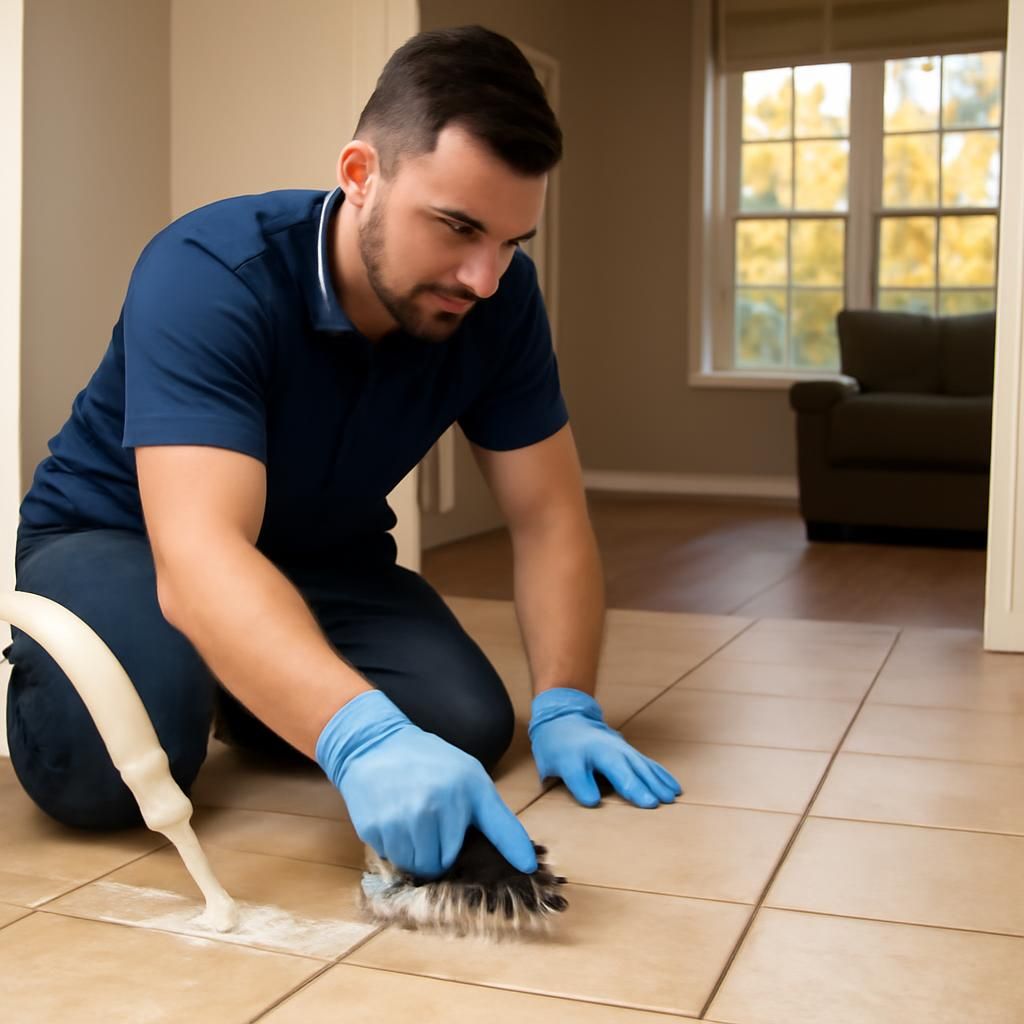
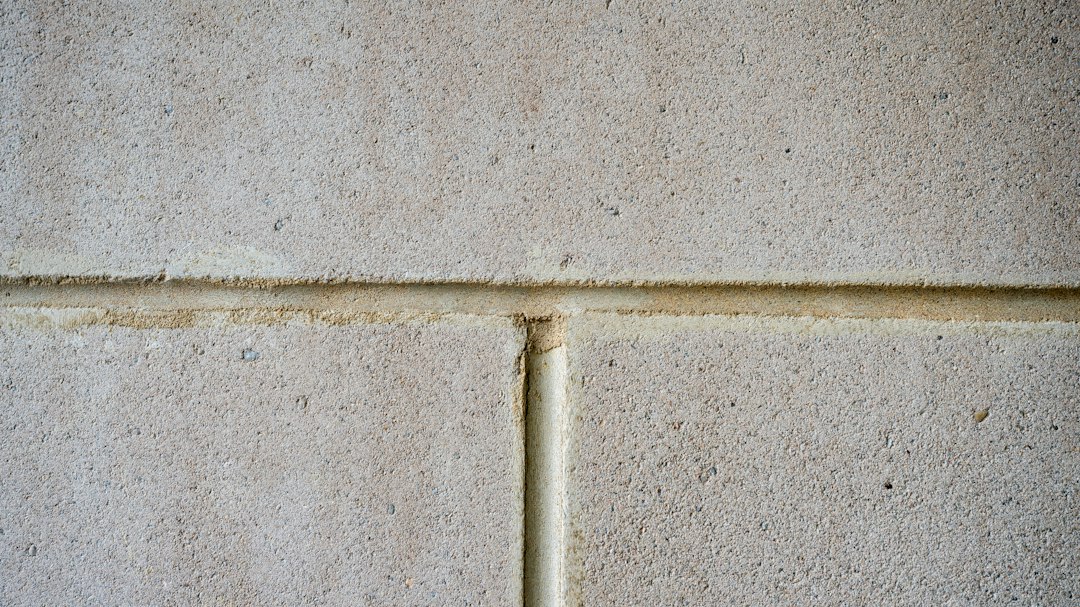
The real sealing job on any tiled surface — ceramic, porcelain, or otherwise — is the grout. Cement-based grout is porous, absorbs moisture, harbors mold, and stains easily. Sealing grout lines after installation (and resealing every 1–2 years) is one of the most impactful maintenance steps a homeowner can take. Epoxy grout is the exception: it is non-porous and requires no sealing at all.
Natural Stone in Showers: A Special Case
Shower environments combine constant moisture, steam, soap residue, and temperature fluctuations — conditions that dramatically accelerate stone degradation if sealing is inadequate or incorrectly done. Natural stone shower walls and floors need a high-quality penetrating sealer applied before grouting, and then again after grouting, once the grout has fully cured (typically 72 hours minimum). The grout joints themselves need a separate grout sealer application.
This two-step process — sealing the stone face, then sealing the grout — is where many DIY installations fall short. Skipping the pre-grout seal on travertine or marble in a shower almost guarantees grout haze and staining that bonds to the stone surface, making it extremely difficult to remove without damaging the finish. Groutastic's shower caulking and grout repair services address exactly these kinds of outcomes in already-installed showers that were not properly sealed at installation.
Natural stone flooring continues to grow in popularity in residential applications. According to Statista, the global natural stone market reflects sustained demand driven by premium home renovation trends — which means more homeowners are managing stone surfaces that require this specialized care.
What to Avoid When Sealing Stone or Tile
Never apply sealer to dirty or wet surfaces. Any residue, soap film, or moisture trapped beneath the sealer will be locked in, causing discoloration or bonding failure.
Do not use acidic cleaners on natural stone before sealing — or ever. Vinegar, lemon juice, and general-purpose bathroom cleaners with acid content etch marble and limestone permanently, destroying the surface finish before sealer can protect it.
Avoid applying too much sealer at once. Over-application on stone creates a white hazy residue (sealer pooling) that requires professional removal. Apply thin, even coats and buff away excess within the product's open time.
Don't skip the water drop test. Sealing a surface that doesn't need it wastes product and can leave a tacky or slippery residue — especially on polished granite or glazed tile.
Never use a topical wax sealer inside a walk-in shower. The constant water exposure breaks down the film rapidly, and the delaminating residue encourages mold growth in the grout lines.
When Should You Call a Professional?
DIY sealing works well for straightforward applications — a dry, clean granite countertop or a tiled bathroom floor with standard cement grout. Professional help is genuinely warranted in several situations:
Natural stone showers with damaged, cracked, or missing grout where water has already infiltrated behind the tile
Marble or travertine floors where a previous topical sealer has clouded, peeled, or trapped moisture and needs professional stripping
Shower caulk joints that have failed, allowing water to bypass the sealed surface entirely
Large-format stone installations where consistent sealer application is critical to achieving an even finish
Groutastic specializes in tile and grout cleaning, grout repair, and shower caulking — the full range of services that go hand-in-hand with proper surface sealing. When grout is cracked or caulk lines have failed, even the best sealer won't prevent water damage. Addressing the underlying grout and caulk integrity first is always the right sequence.
Frequently Asked Questions
Can I use the same sealer on natural stone and grout?
Yes, in many cases a penetrating stone sealer can also be applied over adjacent grout lines in one step — particularly on natural stone tile installations. However, for tiled surfaces where only the grout needs sealing, a dedicated grout sealer is more efficient and cost-effective than a premium stone impregnator.
How do I know when my natural stone needs resealing?
Repeat the water drop test described above. If water no longer beads and instead absorbs within a few minutes, it's time to reseal. High-traffic areas and wet zones like showers typically need attention every 12–18 months; lower-traffic floors may go 2–3 years between applications.
Does sealing natural stone make it look different?
Penetrating sealers are typically "invisible" — they do not change the stone's appearance. Color-enhancing penetrating sealers are available for slate and some granites, deepening the natural tones. Topical sealers can add sheen or a wet-look finish, but come with the maintenance trade-offs described above.
Is grout sealing still necessary if I use porcelain tile?
Yes. Even with non-porous porcelain tile that needs no face sealing, the cement grout joints between tiles remain porous and vulnerable to staining and mold. Grout sealing is recommended regardless of the tile type — the only exception is epoxy grout, which is inherently non-porous.
Conclusion: Match the Sealer to the Surface
The difference between natural stone sealing and tile sealing comes down to one core principle: porosity dictates protection. Natural stone demands a penetrating sealer applied to both the stone face and the grout joints, with product choice matched to the specific stone type. Most ceramic and porcelain tiles need no sealing on their face — but their grout lines always do. Using the wrong approach wastes money at best and causes permanent surface damage at worst.
If your stone or tiled surfaces already show signs of staining, cracked grout, or failing caulk joints, proper sealing is only part of the solution. Groutastic's tile and grout cleaning and grout repair services restore the foundation that sealing depends on — because a sealer applied over damaged grout is no protection at all. Start with clean, intact surfaces, seal correctly, and your investment in stone or tile will last for decades.
This article is based on real published content from Groutastic, cites authoritative sources, and is reviewed before publication.
Comments