
Tile & Grout Cleaning and Sealing in East Hampton, NY

By Josh Kaplan
Key Takeaways
Surface area and grout condition are the biggest cost drivers — damaged or stained grout costs significantly more to restore.
Sealing after cleaning is not optional on porous tile and natural stone; skipping it invites rapid re-staining.
Saltwater-adjacent coastal humidity in East Hampton accelerates mold growth in grout lines — professional-grade sealer selection matters more here than inland.
Always ask whether a quote includes sealing as a separate line item — many do not, and the omission changes the comparison entirely.
Professionals assess surface type, finish, and repair needs before quoting; a flat per-square-foot price without an inspection is a red flag.
What Shapes the Cost of Tile, Grout, and Surface Cleaning and Sealing in East Hampton, NY
If you're looking into professional tile cleaning and sealing in East Hampton, NY — whether for a beachside home, a Hamptons rental property, or a commercial space — you'll find that quotes vary substantially between providers. That variation is almost never random. Price reflects real differences in job scope, surface condition, material type, and what each contractor actually includes in their service. Understanding those factors before you invite anyone out for an estimate puts you in a much stronger position to compare quotes fairly and avoid surprises.
The Primary Cost Drivers
Surface Area and Layout Complexity
Square footage is the most straightforward variable: a larger tiled area takes more time, more cleaning solution, and more sealer. But raw size alone doesn't tell the whole story. A 400-square-foot kitchen floor in a single open room is a faster job than the same area spread across three small bathrooms, a laundry room, and a hallway with lots of fixture edges to navigate. Tight corners, floor-to-ceiling tile walls, built-in benches, and obstacle-heavy layouts all add labor time and, consequently, cost.
Grout Condition and Stain Depth
This is often the biggest hidden variable. Grout that is lightly soiled responds well to hot-water extraction or a professional rotary machine — the kind of job that goes quickly and produces dramatic results. Grout that has years of embedded oil, mold, or mineral deposits requires dwell time with heavier-duty cleaning agents, often multiple passes, and sometimes hand-scrubbing in stubborn spots. The difference between a maintenance clean and a deep restoration clean can be significant in both time and price.
Cracked or crumbling grout adds another layer: cleaning can't substitute for regrouting, and a thorough professional will identify lines that need to be dug out and refilled before sealing. Sealing over cracked grout just locks moisture and debris inside, which accelerates future deterioration. Expect a quote that honestly separates cleaning from grout repair from sealing when the job requires all three.
Tile and Surface Material
Not all tile is cleaned and sealed the same way. Porcelain and glazed ceramic are relatively non-porous and generally don't need surface sealing — though their grout lines still do. Natural stone surfaces like travertine, marble, limestone, and slate are highly porous, need pH-neutral cleaning products to avoid etching, and require a penetrating sealer rather than a topical one. Saltillo tile requires yet another approach. A professional who quotes the same process regardless of your tile type is one to question.
Pavers — concrete, natural stone, or clay — are common on East Hampton patios and driveways, and they introduce their own set of variables: joint sand stability, efflorescence (the white mineral bloom common in coastal climates), polymeric sand replacement, and the choice between a matte or wet-look sealer finish. Ask specifically whether paver cleaning includes re-sanding the joints and what sealer line the contractor uses.
Sealing: What's Included and What Isn't
One of the most important questions to ask before booking is whether sealing is included in the quoted price or listed as a separate charge. Many cleaning-focused companies quote a base price that covers only the clean; the sealer application comes at an additional cost, sometimes a significant one. Neither structure is dishonest, but you cannot compare two quotes without knowing which model each uses.
Also ask what type of sealer will be applied. Penetrating sealers (also called impregnating sealers) absorb into the grout or stone and protect from within without changing the surface appearance — these are the professional standard for most grout and natural stone work. Topical sealers sit on the surface and can add sheen or a wet-look finish, but they wear faster, can peel on high-traffic areas, and aren't appropriate for every surface. A technician who can explain the specific sealer they're using and why it suits your material is a good sign.
Coastal and Climate Considerations Specific to This Area
East Hampton's position at the eastern end of Long Island, exposed to Atlantic humidity and salt air, creates a specific challenge for grout and porous surfaces. Moisture infiltrates grout lines faster in humid coastal environments, and salt-laden air accelerates the breakdown of both grout and low-quality sealers. Mold and mildew growth in bathroom and outdoor tile is more aggressive here than in drier inland areas.
This has a direct implication for sealer selection: a penetrating sealer rated for high-moisture or exterior use will perform meaningfully better than a general-purpose product. It also means that the maintenance cycle between professional cleanings is often shorter — a property that can go three years between cleanings in a dry climate may need attention every 18 months near the water. Properties in nearby communities like Tuckahoe and St. James on the North Shore share some of this humidity pressure, though East Hampton's coastal exposure is particularly pronounced.
For outdoor pavers and pool surrounds specifically, algae growth is a persistent problem on Long Island, and a sealer with a UV-inhibitor and biostatic additive is worth discussing with your contractor — not every product on the market includes this, but the right one meaningfully extends the time before algae returns.
What a Professional Quote Should Include
A quote you can trust will typically specify:
The surfaces being cleaned, including tile type and approximate square footage
Whether grout repair or regrouting is included or priced separately
The cleaning method (steam, hot-water extraction, rotary machine, hand scrub)
Whether sealing is included, and the specific sealer product or product type to be used
Expected dry or cure time before the surface can be used
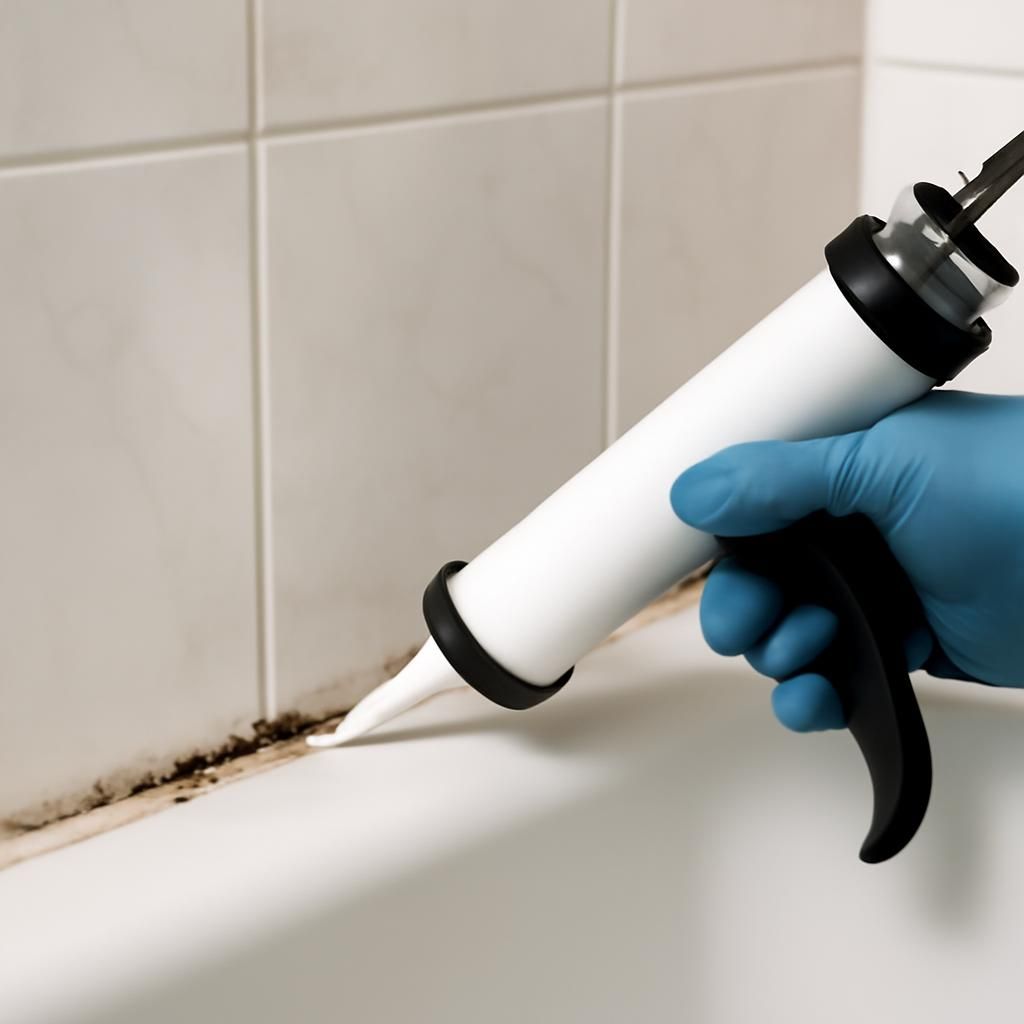
Any exclusions — edges, grout-to-caulk transitions at tub surrounds, for example
A single flat per-square-foot number delivered without an inspection is the one format to be cautious about. Surface condition, layout, and material all vary too much for a reliable price to come from a photo or a rough room description. A professional who asks to see the surfaces before quoting — or at minimum asks detailed questions — is demonstrating that they intend to price the actual job, not a hypothetical average one.
How to Compare Quotes Fairly
The most common mistake homeowners make when comparing grout and tile cleaning quotes is comparing the total price without verifying that the scope is equivalent. Two quotes for "tile and grout cleaning" from two different companies can be for genuinely different things: one might include sealing, regrouting of damaged lines, and a specific high-performance sealer; the other might be a basic surface clean with no sealing at all. The lower number is not always the better value — and sometimes it's not even comparable.
Ask each company the same four questions:
What cleaning method will you use, and is it appropriate for my tile type?
Is sealing included, and if so, what product are you applying?
If you find damaged or cracked grout, how is that priced?
What's the expected result — how clean, and how long should the seal last?
The answers will reveal not just the price but the professionalism of the company and the quality of the outcome you should expect.
When DIY Reaches Its Limit
Consumer-grade grout cleaners and brush-on sealers from hardware stores can handle light maintenance between professional visits. But they have real limits. Rotary extraction machines — the professional standard for deep grout cleaning — operate at temperatures and pressures that consumer equipment can't match, which is why they lift stains that consumer brushing doesn't touch. Similarly, professional-grade penetrating sealers formulated for commercial use typically have higher solids content and longer durability than consumer versions.
If grout lines have visible mold, cracking, or staining that has persisted through multiple DIY cleaning attempts, that's a reliable signal that professional restoration — rather than maintenance cleaning — is what the surface actually needs. Groutastic specializes in exactly this kind of surface restoration, assessing what each surface needs before recommending a service path.
Frequently Asked Questions
How long does grout sealer last before reapplication is needed?
It depends on the sealer type, the surface's traffic level, and the environment. A quality penetrating sealer on indoor floor grout in a moderate-traffic area typically lasts one to three years. Outdoor applications and high-humidity coastal environments like East Hampton tend to fall on the shorter end of that range. Your technician should give you a realistic expectation based on the specific product they're applying.
Can all tile be sealed, or are some types exempt?
Glazed ceramic and polished porcelain tile generally don't need surface sealing because their factory finish is already non-porous — the grout lines still do. Unglazed tile, natural stone, and concrete tile almost always benefit from sealing. Applying the wrong sealer to a polished porcelain surface can leave a residue or cloudiness, which is one reason surface identification before any sealing work is non-negotiable.
Is paver sealing the same service as tile and grout sealing?
The goal is similar — protecting a porous surface — but the process, products, and equipment differ. Paver cleaning often involves pressure washing, efflorescence treatment, and polymeric joint sand replacement before sealing. The sealers used for exterior pavers are formulated for UV exposure and freeze-thaw cycling in a way that interior grout sealers are not. Ask your provider whether they have experience with both surfaces; not every tile company works on pavers and vice versa.
Does the time of year affect when I should schedule sealing?
For interior tile and grout, scheduling is flexible year-round. For outdoor pavers and exterior surfaces, most sealers require surface temperatures above 50°F and no rain for 24 hours after application to cure properly. In Suffolk County, late spring through early fall is the practical window for outdoor sealing work, though mild stretches in shoulder seasons can work if conditions align.
This article is based on real published content from Groutastic, cites authoritative sources, and is reviewed before publication.
Comments