
Summer Grout Sealing in Bellerose, NY: A Seasonal Guide

By Josh Kaplan
Key Takeaways
Summer is the ideal season to seal grout — warm, dry air accelerates curing and improves penetration.
Unsealed grout absorbs moisture, mold, and stains within months; sealing prevents costly repairs.
Penetrating sealers (impregnating) outperform surface sealers for most tile types — choose based on grout porosity.
Grout must be fully clean and dry before sealing; skipping this step causes the sealer to trap dirt and fail early.
Hiring a local Bellerose, NY grout professional ensures correct product selection, prep, and lasting results.
Summer Grout Sealing in Bellerose, NY: What You Need to Know
Summer grout sealing is the process of applying a protective sealer to tile grout joints during warm-weather months, when low humidity and higher temperatures create ideal curing conditions. For homeowners in Bellerose, NY and nearby communities like Garden City, Great Neck, and Freeport, summer is genuinely the best window to protect tile surfaces from moisture intrusion, staining, and mold — before the wet fall and winter seasons arrive.
Why Summer Is the Right Season to Seal Grout
Grout sealing in summer works better than in other seasons because penetrating sealers cure most effectively when the ambient temperature is between 50°F and 90°F and relative humidity is low — both of which Nassau County summers consistently deliver. Cold or damp conditions slow penetration and can cause a sealer to cloud or peel within months.
There is a concrete, non-obvious mechanism here worth understanding: penetrating sealers (also called impregnating sealers) work by wicking into the microscopic pores of cement-based grout via capillary action. In cold or humid conditions, the pores partially fill with condensation, blocking the sealer from reaching adequate depth. On a dry summer day in Bellerose — where Nassau County's coastal proximity can still bring humidity spikes — checking the forecast and choosing a dry 48-hour window matters more than most DIY guides acknowledge.
Summer also tends to be when homeowners notice tile problems most acutely: heavy bathroom use, post-renovation cleaning, and more foot traffic on kitchen and entryway floors. That makes it the natural moment to assess, clean, and seal grout before problems worsen.
Is It Ever Too Late to Seal Grout?
It is almost never too late to seal grout, but condition matters. Grout that is deeply stained, cracked, or harboring mold must be cleaned and repaired first — sealing over compromised grout locks in the problem rather than solving it. Once grout is restored to sound, clean condition, a penetrating sealer can be applied regardless of the grout's age. Newly installed grout should cure for at least 48–72 hours (some manufacturers recommend up to 28 days for full cure) before sealing.
What Is the Best Way to Seal Grout?
The best way to seal grout involves four ordered steps: deep-clean the grout, allow it to dry completely, apply a penetrating impregnating sealer, and wipe away any excess before it cures on the tile surface.
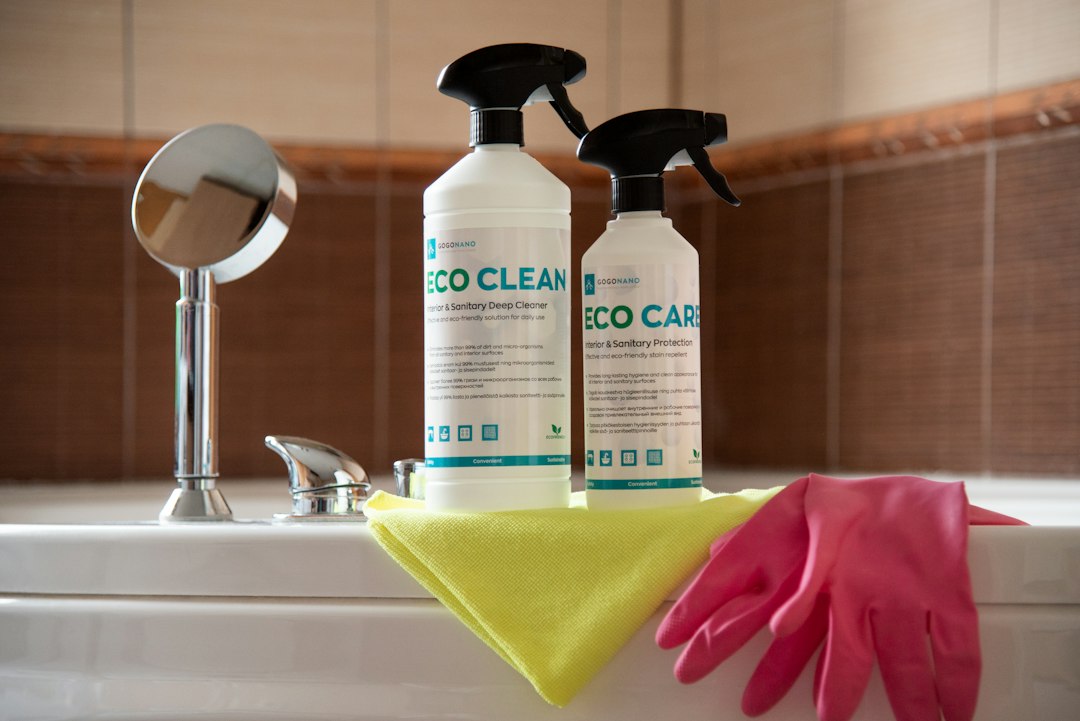
Deep clean the grout joints. Use an alkaline tile and grout cleaner — not a bleach spray, which can weaken cement grout over time. A stiff-bristle grout brush works the surface. For heavily soiled grout, steam cleaning or professional extraction cleaning reaches deeper than hand scrubbing.
Allow complete drying. Grout must be fully dry — typically 24 hours minimum after cleaning. Residual moisture prevents sealer from penetrating. In humid Nassau County summers, use a fan or run the HVAC to assist drying.
Choose the right sealer for your grout type. Penetrating/impregnating sealers (such as those based on silane or siloxane chemistry) are the correct choice for standard cement-based grout. Topical sealers coat the surface and tend to peel and trap moisture — they are appropriate for certain natural stone situations, but generally inferior for grout joints. Epoxy grout does not require sealing at all, since it is non-porous.
Apply with a small brush or applicator bottle. Work in small sections. Let the sealer penetrate for the time specified on the product label (usually 5–15 minutes), then buff away any excess with a clean dry cloth. Sealer left to dry on tile faces can leave a hazy residue.
Apply a second coat if needed. Older or more porous grout may need two coats to reach the water-bead test standard: a few drops of water placed on sealed grout should bead and sit on the surface rather than soaking in.
What Are the Disadvantages of Sealing Grout?
Grout sealing has real limitations that most promotional content underplays. Penetrating sealers do not make grout stain-proof — they make grout stain-resistant, reducing absorption speed but not eliminating it. They also require reapplication: most quality penetrating sealers protect for one to three years depending on traffic, cleaning frequency, and product quality. Sealing grout that was not properly cleaned first is the most common mistake — the sealer bonds over dirt and discoloration, locking in the problem permanently.
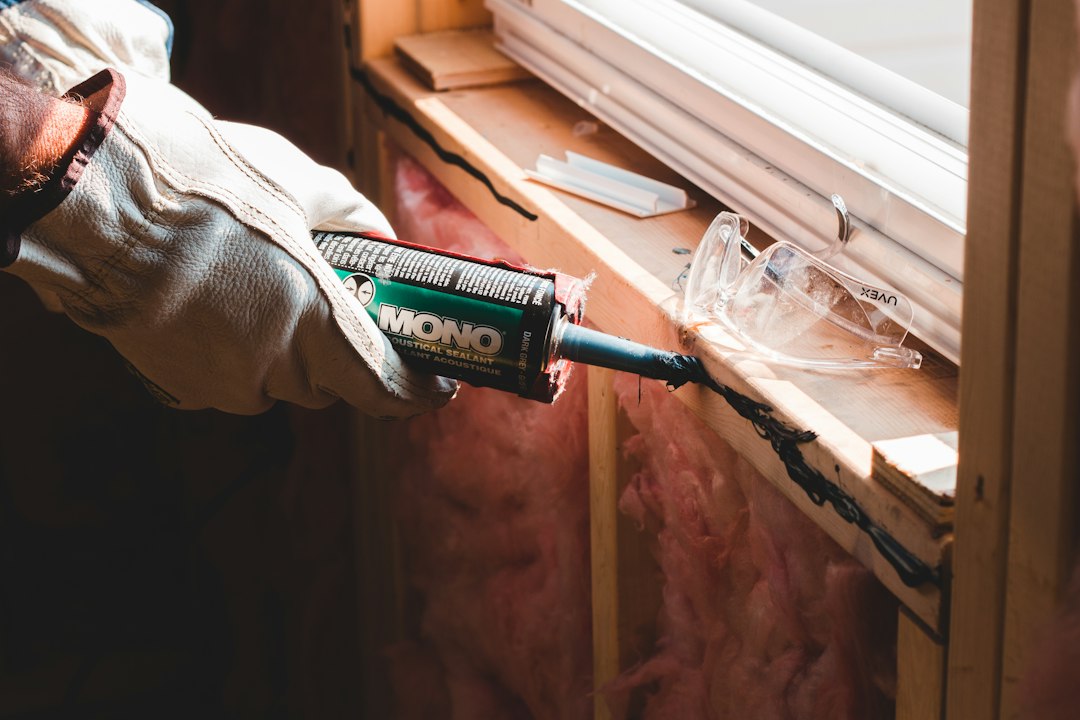
A less obvious disadvantage: in wet areas like showers, no grout sealer substitutes for properly applied silicone caulk at the corners and transitions. Grout sealer protects the flat field joints; silicone caulk handles the movement joints where tile meets tub, pan, or wall. Skipping caulking while relying only on grout sealer is a very common — and expensive — source of water damage behind tile walls.
How Much Does It Cost to Seal Grout?
Grout sealing cost varies based on area size, surface condition, and whether professional cleaning and repair are needed first. As a general benchmark, professional grout sealing for a standard bathroom runs from roughly $100 to $300, while larger tiled areas (kitchens, entryways, or full-room floors) scale accordingly. If grout repair or regrout work is needed before sealing, expect additional cost. DIY sealing products range from $15 to $50 for enough sealer to cover one or two average bathrooms, but the preparation work — cleaning and any repairs — largely determines whether DIY results hold up.
In the Bellerose and Nassau County area, getting a local quote is straightforward. Groutastic provides free estimates for tile and grout cleaning, grout repair, and shower caulking, so you know exactly what the scope and cost will be before work begins.
Why Do Contractors Not Seal Grout?
Many tile installation contractors skip sealing grout at project completion for a specific and understandable reason: newly installed cement-based grout needs time to fully cure before sealing, and that window often falls after the contractor has completed and closed out the job. Some installers also assume the homeowner will arrange sealing separately. This is not negligence — it reflects the timeline mismatch between installation and sealing readiness. The practical takeaway: always confirm with your tile installer whether sealing is included, and if not, schedule it within the first few months after installation.
Choosing a Grout Sealing Service Near Bellerose, NY
Finding a reliable grout sealing service in Bellerose and the surrounding Nassau County area means evaluating more than just price. Here is what separates a genuinely good local provider from a mediocre one:
They clean before they seal. A professional who applies sealer over dirty grout is wasting your money. Ask explicitly whether deep cleaning is included in the scope of work.
They assess whether repair is needed first. Cracked, missing, or mold-damaged grout should be repaired before sealing. A good provider will tell you this upfront, not after the sealer is already applied.
They specify the sealer product and type. You should know whether a penetrating or topical sealer is being used, and why. "We use a sealer" is not a satisfactory answer.
They address caulk joints, not just grout joints. Shower corners, tub-to-wall transitions, and floor-to-wall joints require silicone caulk, not grout or grout sealer. A comprehensive provider — like Groutastic, which offers shower caulking as a dedicated service — will flag and address these separately.
They offer a water-bead test or similar quality check. Verifiable confirmation that the sealer is performing correctly should be part of any professional service.
Homeowners in Bellerose, NY and nearby communities like Glen Cove and Flower Hill benefit from local providers who understand Nassau County's seasonal humidity patterns and can schedule work during the optimal dry-weather windows that summer reliably offers in this region.
What to Avoid When Sealing Grout
Several specific mistakes lead to sealer failure or tile damage:
Using acidic cleaners immediately before sealing. Acidic cleaners (including vinegar-based products) etch cement grout and create an irregular surface that absorbs sealer unevenly. Use a pH-neutral or alkaline cleaner instead.
Sealing over wet or damp grout. Even grout that looks dry on the surface can hold moisture deeper in the joint. Rushing this step is the leading cause of early sealer failure and hazy residue.
Applying sealer to epoxy grout. Epoxy grout is non-porous by nature — sealer cannot penetrate it and will simply sit on the surface, creating a sticky residue that attracts dirt. Confirm your grout type before purchasing any product.
Letting excess sealer dry on tile faces. Sealer left on polished or glazed tile surfaces dries into a haze that is difficult to remove. Wipe continuously during application.
Using a topical sealer in a wet shower. Topical (film-forming) sealers trap moisture and tend to peel in consistently wet environments. Penetrating sealers are the correct choice for showers and other wet areas.
Frequently Asked Questions
How long does grout sealer last?
Most penetrating grout sealers last one to three years under normal residential conditions, depending on foot traffic, cleaning frequency, and the specific product used. High-traffic areas or surfaces cleaned frequently with harsh products will need resealing more often. The water-bead test — placing a few drops of water on the grout and watching whether it beads or soaks in — is the simplest way to check whether it is time to reseal.
Can I seal grout myself, or should I hire a professional?
DIY sealing is reasonable for small, straightforward areas of clean, intact grout. Where grout is stained, cracked, or moldy, professional cleaning and repair should come first — attempting to seal damaged grout yourself typically produces unsatisfactory results and can be expensive to correct later. For showers, where silicone caulk replacement is often needed alongside sealing, a professional grout service handles both in one visit.
Does sealing grout prevent mold?
Sealing grout significantly reduces moisture absorption, which in turn reduces the conditions that allow mold to take hold in grout joints. It does not make grout mold-proof. Proper ventilation, routine cleaning, and correctly applied silicone caulk at movement joints all work together with sealing to control mold in wet areas like showers.
The Right Time to Call a Professional
DIY summer grout sealing makes sense when grout is in good condition and simply needs maintenance. Call a professional when: grout is visibly cracked, missing, or discolored beyond surface staining; when there is suspected water intrusion behind tile; when shower caulk is peeling, gapping, or moldy; or when the tile area is large enough that inconsistent application would produce uneven results. Groutastic's services — tile and grout cleaning, grout repair, and shower caulking — cover the full scope of what a tile surface needs before sealing makes sense, and can be bundled in a single service visit.
Conclusion: Make Summer Count for Your Tile
Summer grout sealing in Bellerose, NY is not just a seasonal trend — it is the genuinely optimal window to protect tile investments before fall moisture and winter conditions arrive. The warm, relatively dry days of Nassau County summers provide the curing conditions penetrating sealers need to perform correctly and last longer. Whether you are sealing a kitchen floor, a bathroom, or a tiled shower surround, the sequence matters: clean thoroughly, repair what is damaged, address caulk joints separately, then seal with the right product for your grout type.
For results that hold up, contact Groutastic for a free estimate on tile and grout cleaning, grout repair, and shower caulking services in Bellerose and across Nassau County. Summer scheduling fills quickly — the sooner you book, the better your tile is protected heading into the wetter months ahead.
This article is based on real published content from Groutastic, cites authoritative sources, and is reviewed before publication.
Comments