
Is Shower Grout Porous? What It Means for Cleaning

By Josh Kaplan
Key Takeaways
Grout is commonly cement-based with microscopic pores that can absorb moisture, dirt and oils, unlike glazed ceramic or porcelain tile.
Shower moisture, soap, shampoo and personal-care products can carry contaminants into grout, so showers are a demanding setting.
A mop mainly reaches surface dirt, so embedded contaminants may stay in the grout after routine cleaning.
Abrasive brushes, acidic products and harsh chemicals can damage grout or nearby tile finishes if used incorrectly.
Short answer: Yes, grout is generally porous. It is commonly made from cement-based materials that contain microscopic pores, and those pores can absorb moisture and hold onto dirt, oils and other contaminants. Glazed ceramic and porcelain tile behave differently. That is why a shower wall can look clean on the tile while the grout lines keep darkening.
This guide explains what that porosity means in a shower, why it changes how grout looks, and how to clean it without making things worse. Groutastic serves homeowners and business owners in Port Jefferson and across Nassau and Suffolk Counties, and these questions come up constantly when people ask about grout restoration.
Is shower grout porous?
The best-supported answer is that grout in general is porous, with one condition. social.art-inpa.com describes grout as commonly made from cement-based materials that contain microscopic pores. The word "commonly" matters. The page describes the typical case, not every product that could go between tiles. If you do not know what material is in your shower, you cannot assume your grout matches the typical description, though cement-based grout is the common case.
"Porous" here means the material has tiny openings that let things in. In grout, the source says those openings can absorb moisture and hold onto dirt, oils and other contaminants. A grout joint is therefore not just a sealed seam between tiles. It is a surface that can take in what lands on it.
Will water penetrate grout?
The source says the pores in cement-based grout can absorb moisture. That is the direct answer: water can be taken into porous grout. In a bathroom the source adds two more points:
Bathrooms see frequent contact with water, soap, shampoo and personal-care products.
Moisture can carry dissolved contaminants into grout.
The practical point is that water in a shower is not only water. It carries whatever is dissolved in it, and the grout can take that in along with the moisture. The source also notes that poor ventilation and consistently damp conditions can make bathroom floors harder to maintain, and that addressing moisture problems is part of long-term floor care.
The source does not cover how water travels behind or beneath a shower surface. It also does not say how much water a given grout absorbs, so this article does not make claims about hidden water damage. If you suspect water is getting somewhere it should not, that is a question for an on-site inspection.
Is grout a non-porous surface?
No. The source contrasts grout with glazed ceramic and porcelain tile. It says that, unlike those tiles, the pores in grout can absorb moisture and hold dirt, oils and contaminants. This explains a pattern many people notice: the tile wipes clean, but the grout lines stay discolored.
The same source puts it this way: even when the tile surface looks well maintained, the grout lines can gradually become darker, stained or uneven in color.
How can you tell if a surface is porous or non-porous?
The source supports one comparison: grout, with its microscopic pores, versus glazed ceramic or porcelain tile. It does not provide a home test for measuring porosity, and it does not list every tile type that is or is not porous. So this article does not claim a reliable do-it-yourself test.
What the source does describe are appearance and behavior clues that fit porous grout:
Grout lines look darker than the tile around them. The source says ordinary foot traffic can do this over time, and it names kitchens, hallways and entrances as places where soil settles into joints.
Color is uneven across the floor. Areas with more activity may develop noticeably different shades.
Grout looks dull or seems to attract more dirt. The source links this to cleaner residue that combines with moisture and loose soil.
Oily residue seems to spread rather than lift. The source says mopping can spread oily residue across grout lines instead of removing it.
Treat these as clues, not a measurement. Discoloration can have more than one cause, and a clue does not tell you how porous your particular grout is.
What kind of grout is used in a shower?
The only grout material the evidence names is the common cement-based type with microscopic pores. It does not compare other grout types or say which is best for showers, so no ranking of grout products appears here. If you are planning a regrout or repair, ask the installer or restoration provider exactly which grout material they propose and what care it needs afterward. That question is useful whatever the answer turns out to be.
Why a shower is hard on porous grout
The source lists several bathroom exposures. Together they explain why shower grout can be tougher to keep looking clean than grout elsewhere:
Water contact. Frequent contact with water carries dissolved contaminants into the grout.
Soap, shampoo and personal-care products. The source names these as everyday bathroom exposures.
Cleaning chemicals. The source says unsuitable cleaning chemicals may affect grout's appearance.
Damp conditions. Poor ventilation and consistently damp conditions can make bathrooms harder to maintain.
The point is not that one of these is the culprit. Porous material plus repeated exposure to many things is what produces gradual change. In the source's words about floors in general, grout can "gradually become darker, stained, or uneven in color."
Why ordinary cleaning does not always fix it
Routine cleaning matters, but the source is clear about its limits. A mop primarily addresses accessible dirt on the floor surface and may not remove contaminants embedded deeper within porous grout. The source also says some household cleaners leave residue. When that residue combines with moisture and loose soil, grout lines can become dull or attract additional dirt.
This leads to a decision rule you can use:
If the grout is lightly soiled and the problem is mostly surface dirt, routine cleaning is the right tool, and it is the reason the source calls routine cleaning essential.
If the lines stay dark, uneven or dull after routine cleaning, the likely issue is what is held inside the grout, which a surface wipe is not designed to reach.
If your cleaner seems to leave grout looking duller, residue may be part of the problem, per the source's point about cleaner residue.
The jump from the second case to a fix is where people go wrong, which is the next section.
Scrubbing harder is not automatically the answer
It is tempting to respond to stubborn grout with a stiff brush and a stronger product. The source warns against this: aggressive scrubbing is not necessarily a better solution, and abrasive brushes, acidic products and harsh chemicals may damage grout or affect nearby tile finishes if used incorrectly.
Note the wording. The source says "may" and "if used incorrectly," not that these tools always cause damage. But grout is the weak point in this situation. Because it is porous, it is the surface most likely to take in whatever you apply to it, and the tile next to it has a finish you may not want to affect. If you are unsure of a product's effect on your tile or grout, test your assumptions with a professional before applying it widely.
How often do showers need to be regrouted?
There is no supported number to give. The source does not say how many years grout lasts or how often to redo it, and a guess would be misleading. Condition matters more than a calendar, and the source's points about moisture, contamination and cleaning methods all feed into that condition.
What you can do is look at what is actually happening in your shower:
Is the discoloration limited to the surface, or does it return soon after cleaning?
Is damp, poorly ventilated air a regular feature of the room?
Have harsh or abrasive cleaning methods been used on the grout in the past?
Those answers help a professional decide whether cleaning is enough or whether repair or regrouting is worth discussing. Questions about how to regrout a shower step by step, caulk versus grout in corners, and mold are separate topics that go beyond what this page covers.
When to bring in a professional
Move beyond DIY cleaning when routine methods have stopped working and you do not want to risk harsher tools on grout or neighboring tile. The source's own caution about abrasive brushes, acidic products and harsh chemicals is the main reason to hand off a difficult job rather than escalate it yourself.
Groutastic provides tile and grout cleaning and restoration, grout sealing and color sealing, and regrouting, grout repair and caulking for homes and businesses in Port Jefferson and throughout Suffolk and Nassau Counties. When you call any provider, these questions are worth asking:
What do you think is causing the discoloration: surface dirt, embedded contaminants, cleaner residue, or something else?
What grout material is on the wall now, and what would you use if repairs are needed?
How will the cleaning method avoid damaging the grout and the surrounding tile finish?
What should I do afterward to keep the shower looking its best, including ventilation and cleaning products?
Bottom line
Grout is generally porous, and in a shower that matters: moisture, soap, shampoo and personal-care products can carry contaminants into it, while a mop mainly reaches surface dirt. Clean routinely, avoid aggressive scrubbing and harsh products, deal with damp conditions, and if the grout stays dark or uneven after ordinary cleaning, ask a professional to look at it. If you are in Port Jefferson or elsewhere in Nassau or Suffolk County, Groutastic can help you decide whether cleaning, sealing or repair makes sense for your shower.
Published by Groutastic.
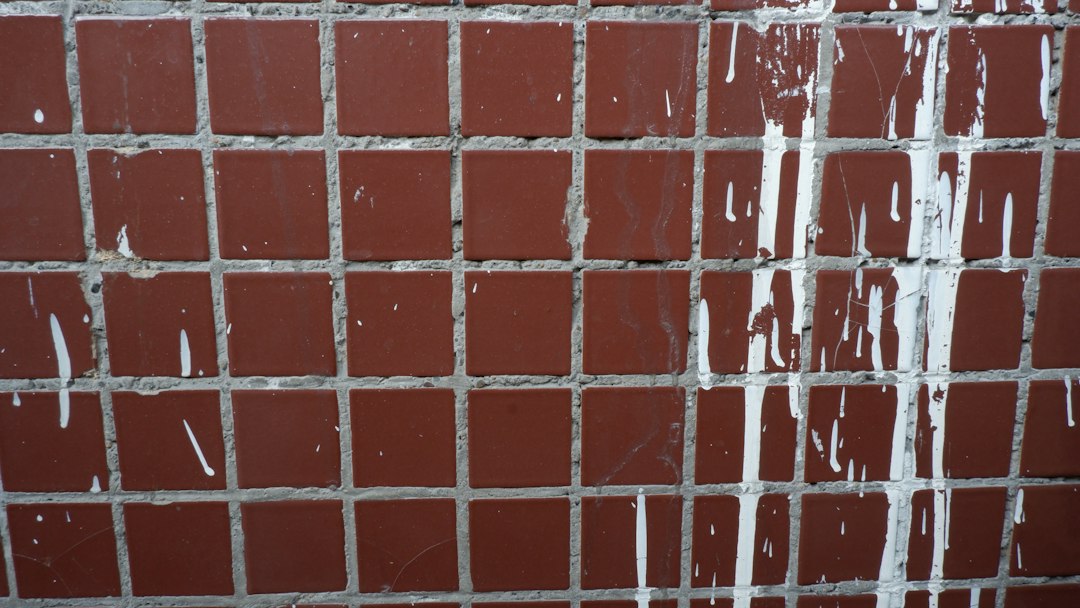
Stock photograph used for illustration. Photo by Kolby Milton on Unsplash.

Comments